Bloodborne Pathogens Awareness
45 min! Run Time
Employees
only
of Completion
What you'll learn
Description
Compliance Requirements
- Employee training on bloodborne pathogen hazards
- Use of PPE to prevent exposure
- Implementation of an Exposure Control Plan (ECP)
- Proper reporting, documentation, and post-exposure procedures
Table of Contents
• Introduction to Bloodborne Pathogens
• Common Pathogens (HIV, HBV, HCV, others)
• Routes of Transmission & Risk Levels
• OSHA Bloodborne Pathogens Standard (29 CFR 1910.1030)
• Employer & Employee Responsibilities
• Exposure Control Plan (ECP) & Documentation
• Universal Precautions & Safe Work Practices
• Personal Protective Equipment (PPE)
• Post-Exposure Procedures & Medical Care
• Assessment (10 questions, 80% passing score)
System Requirements
See System Requirements in the Coggno Knowledge Base
Author

Bloodborne Pathogens Awareness
Frequently Asked Questions
Our training covers bloodborne pathogens, also called BBPs. These are germs in blood and some body fluids that can make people sick fast. They can spread easier than most think, so knowing how to protect oneself is very important. The course talks about safety gear, safe work methods, and what to do if exposed. Even small contact can cause serious problems, so learning before anything happens can save trouble later. People notice that after learning, they feel safer and more prepared, not scared.
Anyone who might touch blood or possibly infected materials should take it. This includes nurses, doctors, lab staff, janitors, emergency workers, or office staff doing first aid. Training is online, works on computer or phone, and can be done in small sections. Many workers like to do it bit by bit—it sticks better that way. People say finishing the course makes them feel more confident in real situations.
It follows OSHA rule 29 CFR 1910.1030 and CDC guidance. Employers show workers that workplace safety is serious. Workers learn how to prevent accidents and avoid legal problems. Often, taking this course helps people spot hazards they didn’t see before. Workplace becomes safer when everyone knows what to do, not just hoping for the best.
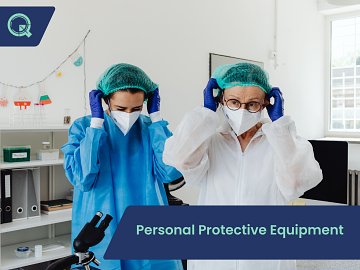
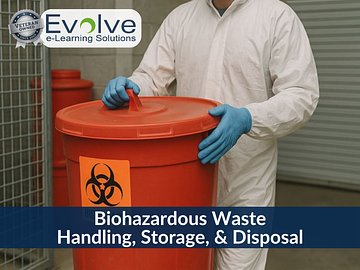
Lessons show how BBPs like Hepatitis B, Hepatitis C, and HIV spread. Workers learn to handle needles and waste safely, wear protective clothing, and act quickly if exposed. Tools like sharps containers are explained, and correct methods for cleaning and disposal are shown. People find it useful in hospitals, labs, workshops, cleaning jobs, or emergencies. Many say stress goes down after learning—knowing what to do makes things feel less risky.
Yes, a Certificate of Completion is given to all who finish. Employers should include the training in safety plans. This means writing safety rules, tracking who trained when, offering Hepatitis B shots, checking safety practices often, and giving refresher courses if jobs or risks change. Regular review is smart, even if nothing happened, because workplace risks can change suddenly.
Usually, once a year refresher is suggested. More often if job duties change or new hazards appear. If an accident happens—like a needle stick—extra training is needed right away. Employers should track dates and make updates if necessary. Workers feeling unsure should ask for a review. Refresher courses are not punishment—they are protection. People who take them often avoid mistakes they might have made before.
User reviews
6 reviews from verified completions-
Verified 1 week ago
-
Verified 3 weeks ago
Way too long for the workplace.
-
Verified 3 weeks ago
a little long but infomative
-
Verified 5 weeks ago
great
-
Verified 5 weeks ago
-
Verified 5 weeks ago