
Bloodborne Pathogens Awareness
Last Updated 07/2026
English
Export to your LMS
Full Lifetime Access
Finish in
20 min! Run Time
20 min! Run Time
Made for for
Employees
only
Employees
only
Certificate
of Completion
of Completion
Mobile -
Friendly
Access
Friendly
Access
What you'll learn
Recognize common bloodborne pathogen hazards and understand where exposure risks may occur in the workplace.
Explain how BBPs are transmitted and why all blood and certain body fluids must be treated as potentially infectious.
Identify appropriate response actions, including stopping work, securing the area, and preventing unauthorized cleanup.
Follow proper post-exposure procedures, including reporting incidents and seeking medical evaluation in accordance with your workplace Exposure Control Plan.
Skills covered in this course
Description
Bloodborne pathogens are microorganisms in human blood and certain body fluids that can cause serious illness if exposure occurs. This course teaches you how to recognize BBP hazards, understand how exposure happens, and take the right actions to protect yourself and others. You’ll learn to treat all blood as potentially infectious, maintain safe distances, and follow proper reporting and response procedures. The immersive simulation places you in a real-world scenario where you identify hazards and make decisions under pressure.
An interactive simulation is available for desktop, mobile, and VR headsets. Drawn from OSHA Standard: 1910.1030 and industry best practices.
An interactive simulation is available for desktop, mobile, and VR headsets. Drawn from OSHA Standard: 1910.1030 and industry best practices.
System Requirements
See System Requirements in the Coggno Knowledge Base
Author

360 Immersive is a woman-owned, veteran-owned small business that develops interactive workplace safety training in collaboration with safety subject matter experts. We combine storytelling with realistic simulations to help workers recognize hazards, think critically, and practice safer decisions before facing them on the job. Our approach supports Total Worker Safety™ by building self-awareness and personal accountability alongside safety knowledge. Based in Boise, Idaho, we are driven by a commitment to serving others and helping prevent workplace injuries.
Bloodborne Pathogens Awareness

Frequently Asked Questions
OSHA Standard 1910.1030 and related industry best practices form the basis for this introduction to bloodborne pathogens.
The basics of what bloodborne pathogens are, the different types, and where they are typically found in the workplace.
They're not commonly found outside of situations where blood is visible, a distinction this part of the series explains directly.
Through direct or indirect contact in the workplace, which is one of the transfer methods this course covers.
Part 1 introduces its purpose as part of the foundational knowledge needed before moving into prevention and response topics.
This course is designed for employees who need to complete Bloodborne Pathogens Awareness training
Yes. This course is designed to meet applicable federal requirements and commonly mandated state standards. Always confirm specific state or industry requirements with your local regulations.
The course takes approximately 20 minutes to complete and can be paused and resumed at any time.
Yes. Learners receive a downloadable certificate upon successful completion, which can be used for compliance records and audits.
Yes. You can assign this course to individuals or groups using Coggno’s LMS, or purchase multiple seats for your team.
Yes. This course can be exported for delivery in most learning management systems (SCORM compatible).
Yes. The course is fully self-paced and available 24/7.
Yes. This course includes a knowledge check to reinforce learning and verify completion.
Learners have lifetime access from the date of purchase.
Yes. A preview is available so you can review the course format and content before purchasing.
Yes. Content is reviewed and updated as regulations and best practices change.
Yes. This course is available for free with an active Prime Subscription.
Yes. Refund requests can be submitted within 30 days of purchase.
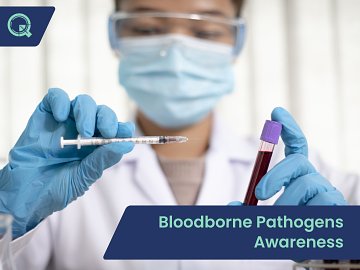


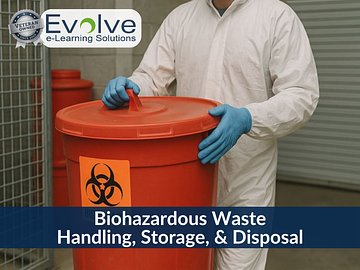
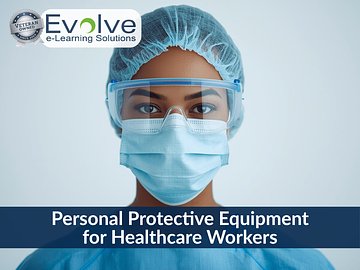
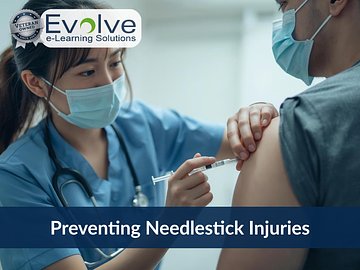
OSHA Standard: 1910.1030 and industry best practices
Part 1 of Bloodborne Pathogen (BBP) Exposure Control defines and covers the basics of what BBP are, the different types of BBP, where they are found, and where they are not commonly found unless blood is visible.
Additional topics include how BBP can be transferred from one person to the next through direct or indirect contact in the workplace, and the purpose of a BBP Exposure Control Plan.