
Electrical Safety: How Electricity works
6 min! Run Time
Employees
only
of Completion
What you'll learn
Skills covered in this course
Description
This course emphasizes the critical importance of understanding the fundamentals of electricity to ensure a secure work environment. Participants will gain insights into the nature of electricity, distinguishing between static and current forms, and explore the components of circuits, switches, conductors, and insulators. The course further delves into the diverse methods of electricity generation, ranging from traditional fossil fuel-based processes to sustainable alternatives like wind and hydropower. By the end of the course, participants will be equipped with the knowledge and skills necessary to identify and mitigate electrical hazards, fostering a culture of safety in any workplace. Understand the distinction between static and current electricity, and identify common workplace hazards associated with each form. Demonstrate knowledge of the components essential for the flow of electricity in a circuit, including switches, conductors, and insulators. Gain insights into various methods of electricity generation, enabling informed decision-making regarding energy sources and their implications for safety.
Course Objectives:
- Understand the distinction between static and current electricity, and identify common workplace hazards associated with each form
- Demonstrate knowledge of the components essential for the flow of electricity in a circuit, including switches, conductors, and insulators
- Gain insights into various methods of electricity generation, enabling informed decision-making regarding energy sources and their implications for safety
Duration: 6 min.
System Requirements
See System Requirements in the Coggno Knowledge Base
Author

Electrical Safety: How Electricity works

Frequently Asked Questions
Static electricity is a stationary charge, while current electricity is the flow of charge through a circuit; the course covers hazards tied to each.
It covers switches, conductors, and insulators, the basic components essential for the flow of electricity through a circuit.
It explores generation methods ranging from traditional fossil fuel-based processes to sustainable options like wind and hydropower.
Knowing how electricity is produced and moves through a system helps workers identify and mitigate hazards more effectively.
Building a culture of safety by giving workers the fundamental knowledge of electricity needed to work securely around it.


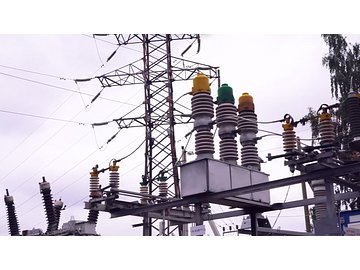
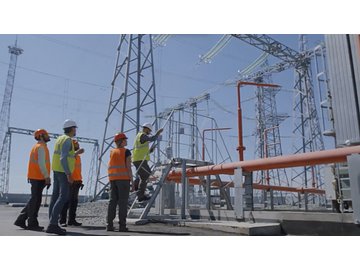
This course emphasizes the critical importance of understanding the fundamentals of electricity to ensure a secure work environment. Participants will gain insights into the nature of electricity, distinguishing between static and current forms, and explore the components of circuits, switches, conductors, and insulators. The course further delves into the diverse methods of electricity generation, ranging from traditional fossil fuel-based processes to sustainable alternatives like wind and hydropower. By the end of the course, participants will be equipped with the knowledge and skills necessary to identify and mitigate electrical hazards, fostering a culture of safety in any workplace. Understand the distinction between static and current electricity, and identify common workplace hazards associated with each form. Demonstrate knowledge of the components essential for the flow of electricity in a circuit, including switches, conductors, and insulators. Gain insights into various methods of electricity generation, enabling informed decision-making regarding energy sources and their implications for safety.
Course Objectives:
Understand the distinction between static and current electricity, and identify common workplace hazards associated with each form.;Demonstrate knowledge of the components essential for the flow of electricity in a circuit, including switches, conductors, and insulators.;Gain insights into various methods of electricity generation, enabling informed decision-making regarding energy sources and their implications for safety.;;
Duration: 6 min.