Office Safety - Electrical Safety: Types of Electricity
7 min! Run Time
Employees
only
of Completion
What you'll learn
Skills covered in this course
Description
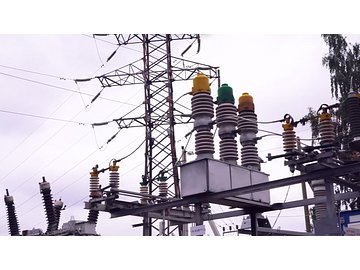
This course delves into the intricacies of different types of electricity encountered in the workplace, focusing on static, high voltage, and low voltage electricity. Participants will gain a nuanced understanding of how static electricity is generated through friction and how high and low voltage electricity behave in circuits. The course emphasizes the potential dangers associated with high voltage electricity, providing insights into shocks that can result in severe burns and, in extreme cases, death. Additionally, it highlights the common occurrences of low voltage electricity in household appliances, offering guidance on recognizing and mitigating shocks.
What you'll learn:
- Differentiate between static, high voltage, and low voltage electricity, understanding their sources and characteristics.
- Recognize the potential dangers and consequences of high voltage electricity, emphasizing safety measures to prevent shocks and injuries.
- Understand the behavior of electricity in circuits, irrespective of voltage levels, and develop awareness of the importance of adherence to safety protocols.
System Requirements
See System Requirements in the Coggno Knowledge Base
Author

Office Safety - Electrical Safety: Types of Electricity

Frequently Asked Questions
It focuses on static, high voltage, and low voltage electricity, explaining how each forms and behaves differently in a circuit.
Static electricity is generated through friction, and the course explains how that process differs from current running through a circuit.
High voltage shocks can cause severe burns and, in extreme cases, death, which is why the course emphasizes specific safety measures for it.
It shows up often in household appliances, and the course covers how to recognize and reduce the shock risk it still carries.
Learners should be able to tell static, high voltage, and low voltage electricity apart and understand the safety concerns unique to each.