
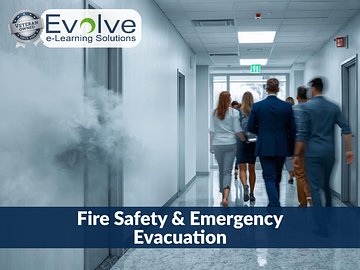
Fire Safety and Emergency Evacuation
20 min! Run Time
Employees
only
of Completion
What you'll learn
Skills covered in this course
Description
The course provides a comprehensive overview of fire prevention best practices, helping employees recognize and reduce common fire hazards in their work environment. Learners will explore egress and evacuation procedures, the key components of an Emergency Action Plan (EAP), and their individual responsibilities when a fire emergency occurs. The course also covers fire suppression systems and firefighting equipment, including how to select the correct fire extinguisher for different classes of fire and how to operate it effectively using the PASS method.
Emergency response protocols are reinforced through instruction on the RACE method — Rescue, Alarm, Contain, Extinguish/Evacuate — giving healthcare and facility staff a clear, actionable framework for responding to fire emergencies involving patients and visitors who may require assistance.
Table of Contents
1. Introduction
2. Egress and Evacuation Procedures
3. Emergency Action Plan
4. Firefighting Equipment
5. Employee Training
6. Fire Prevention
System Requirements
See System Requirements in the Coggno Knowledge Base
Author

Fire Safety and Emergency Evacuation
Frequently Asked Questions
It addresses fire risk in healthcare facilities, commercial offices, and industrial settings, where fire threatens employees, visitors, and patients alike.
It is designed in accordance with OSHA's general industry standards for fire safety, so every role knows its part in the plan.
Learners explore egress and evacuation procedures so they understand how to move people out of danger quickly and without confusion.
It covers the key components of an Emergency Action Plan and each employee's individual responsibilities the moment a fire emergency occurs.
A swift, coordinated response grounded in proper training can mean the difference between a controlled evacuation and a catastrophic outcome.
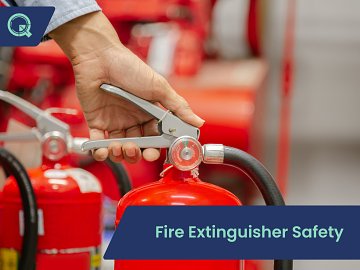



The course provides a comprehensive overview of fire prevention best practices, helping employees recognize and reduce common fire hazards in their work environment. Learners will explore egress and evacuation procedures, the key components of an Emergency Action Plan (EAP), and their individual responsibilities when a fire emergency occurs. The course also covers fire suppression systems and firefighting equipment, including how to select the correct fire extinguisher for different classes of fire and how to operate it effectively using the PASS method.
Emergency response protocols are reinforced through instruction on the RACE method — Rescue, Alarm, Contain, Extinguish/Evacuate — giving healthcare and facility staff a clear, actionable framework for responding to fire emergencies involving patients and visitors who may require assistance.