
Crane Signaling Awareness
Last Updated 07/2022
English
Export to your LMS
Full Lifetime Access
Finish in
14 min! Run Time
14 min! Run Time
Made for for
Employees
only
Employees
only
Certificate
of Completion
of Completion
What you'll learn
Recognize the importance of crane signaling
Identify the forces that signaled movements can exert on crane equipment and loads
Know the methods by which crane operators and signalers communicate
Identify resources to use to properly deliver signals
Recognize communication barriers and limitations and how to compensate for them
Know all official signals for “stop work"
Know what to do if crane communication is unclear
Skills covered in this course
Description
Crane operators count on signalers to provide vital lifting instructions. Whether you deliver signals, receive them or just witness them, it is important that you know why they are important, what they are, and what to do if stop work signals are given. This course provides a crane signaling overview that is appropriate for all people who work around cranes and lays the foundation for additional, in-depth and hands-on training that crane operators and signalers will receive.
Course Objectives:
- Recognize the importance of crane signaling
- Identify the forces that signaled movements can exert on crane equipment and loads
- Know the methods by which crane operators and signalers communicate
- Identify resources to use to properly deliver signals
- Recognize communication barriers and limitations and how to compensate for them
- Know all official signals for “stop work"
- Know what to do if crane communication is unclear
Duration: 14 min.
System Requirements
See System Requirements in the Coggno Knowledge Base
Author

Built by safety professionals.
PureSafety delivers expert-built, OSHA-authorized safety training for organizations where safety, compliance, and workforce readiness matter most.
Developed by experienced EHS professionals, our courses help employers reduce risk, strengthen compliance, and keep workers safe.
Crane Signaling Awareness

Attachments:
Crane Signaling Awareness Job Aid (91 KB)
Frequently Asked Questions
It suits anyone who works around cranes, whether you deliver signals, receive them, or simply work nearby and need to recognize what they mean.
The course explains how the movements signalers request can place stress on crane equipment and the load itself, not just the operator.
It covers the recognized methods operators and signalers use to exchange lifting instructions, along with resources for delivering signals correctly.
The course teaches every stop-work signal so that anyone on site knows to halt crane movement immediately when one is used.
It covers common barriers and limitations in crane signaling and how signalers and operators can compensate for them on site.
This course is designed for employees who need to complete Crane Signaling Awareness training
Yes. This course is designed to meet applicable federal requirements and commonly mandated state standards. Always confirm specific state or industry requirements with your local regulations.
The course takes approximately 14 minutes to complete and can be paused and resumed at any time.
Yes. Learners receive a downloadable certificate upon successful completion, which can be used for compliance records and audits.
Yes. You can assign this course to individuals or groups using Coggno’s LMS, or purchase multiple seats for your team.
Yes. This course can be exported for delivery in most learning management systems (SCORM compatible).
Yes. The course is fully self-paced and available 24/7.
Yes. This course includes a knowledge check to reinforce learning and verify completion.
Learners have lifetime access from the date of purchase.
Yes. A preview is available so you can review the course format and content before purchasing.
Yes. Content is reviewed and updated as regulations and best practices change.
Yes. This course is available for free with an active Prime Subscription.
Yes. Refund requests can be submitted within 30 days of purchase.


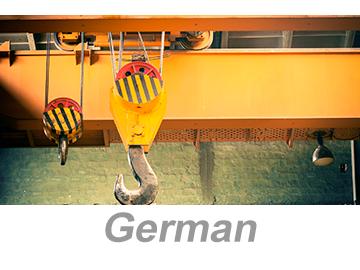


Crane operators count on signalers to provide vital lifting instructions. Whether you deliver signals, receive them or just witness them, it is important that you know why they are important, what they are, and what to do if stop work signals are given. This course provides a crane signaling overview that is appropriate for all people who work around cranes and lays the foundation for additional, in-depth and hands-on training that crane operators and signalers will receive.
Course Objectives:
Recognize the importance of crane signaling;Identify the forces that signaled movements can exert on crane equipment and loads;Know the methods by which crane operators and signalers communicate;Identify resources to use to properly deliver signals;Recognize communication barriers and limitations and how to compensate for them;Know all official signals for “stop work";Know what to do if crane communication is unclear
Duration: 14 min.