
Hand, Wrist, and Finger Safety in the Workplace
18 min! Run Time
Employees
only
of Completion
Friendly
Access
What you'll learn
Description
Major Learning Points
• Understanding why hand, wrist, and finger safety is critical in the workplace
• Recognizing common hand hazards, including pinch points, sharp objects, chemicals, and extreme temperatures
• OSHA requirements for hazard assessments and the hierarchy of controls
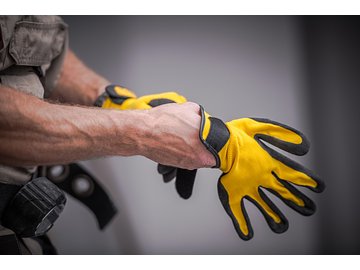
• Proper selection, use, inspection, and maintenance of hand protection under 29 CFR 1910.138
• The role of machine guarding and safe work practices in preventing amputations and crush injuries
• Lockout/tagout basics and when energy control procedures are required
• Identifying ergonomic risks and preventing repetitive motion injuries
• Using Safety Data Sheets (SDS) to determine appropriate hand protection for chemical hazards
• Responding to hand injuries, first aid basics, and reporting requirements
• Employee and supervisor responsibilities for maintaining hand safety awareness
System Requirements
See System Requirements in the Coggno Knowledge Base
Author

Hand, Wrist, and Finger Safety in the Workplace
Frequently Asked Questions
It covers proper selection, use, inspection, and maintenance of hand protection under 29 CFR 1910.138, the OSHA standard for hand protection.
It covers pinch points, sharp objects, chemicals, and extreme temperatures as common hand hazards employees should learn to recognize on the job.
Yes, it explains OSHA requirements for hazard assessments and applies the hierarchy of controls to reduce hand, wrist, and finger injury risk.
Beyond glove selection, it covers hazard recognition, machine guarding, ergonomics, chemical protection, and injury reporting across industries.
It is built around OSHA requirements for hazard assessments and hand protection under 29 CFR 1910.138, helping employees understand what the standard requires.


