
Laboratory Safety
20 min! Run Time
Employees
only
of Completion
What you'll learn
Skills covered in this course
Description
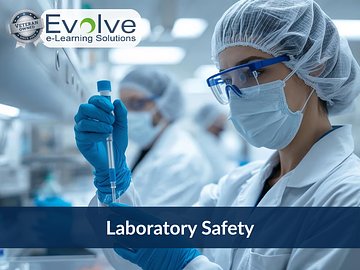
Learners will gain a thorough understanding of the Chemical Hygiene Plan and its role in protecting laboratory workers from chemical exposure. The course walks through each major category of laboratory hazard — chemical, biological, physical, and safety — providing clear guidance on routes of exposure, hazard recognition, and the protection and control programs employees must be familiar with in their work environment. Safe work practices specific to each hazard type are covered in depth, equipping employees to make sound safety decisions in real-world laboratory situations.
Upon completion, learners will be prepared to identify and mitigate laboratory hazards, follow established safety protocols, and contribute to a culture of safety that protects themselves and their colleagues.
Table of Contents
1. Introduction and Objectives
2. Chemical Hazards
3. Biological Hazards
4. Physical Hazards
5. Safety Hazards
System Requirements
See System Requirements in the Coggno Knowledge Base
Author

Laboratory Safety
Frequently Asked Questions
The course notes more than 500,000 workers are employed in laboratories across the United States, each facing a complex set of occupational hazards daily.
It covers chemical, biological, physical, and radioactive hazards, along with musculoskeletal stresses caused by precision work and sustained postures common in lab settings.
Learners gain a thorough understanding of the Chemical Hygiene Plan and its role in protecting laboratory workers from chemical exposure.
The course explains that without proper training and precautions, laboratory hazards can result in serious injury, illness, or worse for workers.
It gives laboratory employees the knowledge and practical skills to recognize workplace hazards, apply appropriate controls, and respond effectively during emergencies.

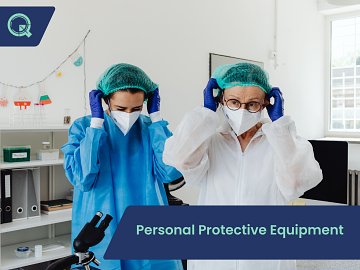

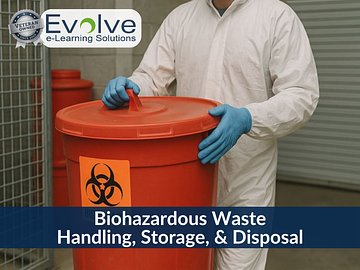


Learners will gain a thorough understanding of the Chemical Hygiene Plan and its role in protecting laboratory workers from chemical exposure. The course walks through each major category of laboratory hazard — chemical, biological, physical, and safety — providing clear guidance on routes of exposure, hazard recognition, and the protection and control programs employees must be familiar with in their work environment. Safe work practices specific to each hazard type are covered in depth, equipping employees to make sound safety decisions in real-world laboratory situations.
Upon completion, learners will be prepared to identify and mitigate laboratory hazards, follow established safety protocols, and contribute to a culture of safety that protects themselves and their colleagues.