
Customer Service
2h 37 min! Run Time
Employees
only
of Completion
What you'll learn
Skills covered in this course
Description
Strong customer service keeps customers satisfied and builds the kind of loyalty that supports a business over time. This course helps employees sharpen the skills that make each interaction better.
What this course covers:
- Customer service basics and everyday best practices
- Telephone etiquette for clearer, friendlier calls
- Retail-specific skills for in-person service
- Handling feedback both in-store and on social media
A practical fit for frontline staff and anyone who works with customers.
System Requirements
See System Requirements in the Coggno Knowledge Base
Author

Customer Service


In our last course, we talked about what to do as a call center representative. Here, we'll discuss HOW you'll accomplish those things. In other words, the skills you'll need to excel at your job. We'll cover the knowledge you should have in order to do your job well. We'll talk about the importance of paying attention to details, taking thorough notes, and developing emotional intelligence. We'll also discuss getting creative, staying organized, and being flexible.

What's the first thing you need to know when working as a call center representative? How to communicate well on the telephone! In this course, we'll talk about things like what to say as a greeting, how to remain polite, and using proper vocal tone and volume. We'll cover some helpful tips on being a better call-taker and how to politely place people on hold.
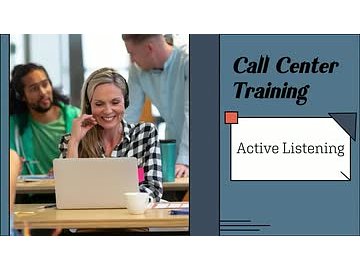
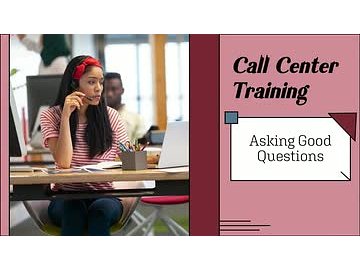
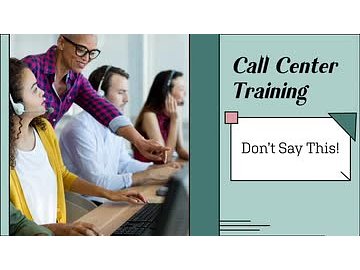

As a call center representative, one of your main duties will be to solve people's problems with your company's products or services. To do this, you need to learn how to troubleshoot a customer's issue to find the root cause and figure out the best solution. In this program, we'll talk about how to become a better troubleshooter. We'll go over how to get to the root cause of a customer's issue, how to evaluate the situation, what you should do to find a possible solution, and how to carry out that solution.

Dealing with angry customers is an unavoidable part of call center work. With the right techniques, you can handle these calls calmly and confidently.
What this course covers:
- Listening to understand an upset caller
- Apologizing and taking responsibility on behalf of the company
- Handling customers who are very upset or swearing
- What to avoid when talking to an angry caller
Build the skills to turn difficult calls around.

Every call center hopes to solve problems on the first contact, but some issues are too complex or fall outside your scope. This course explains how to escalate the right way.
What this course covers:
- What First Call Resolution (FCR) is and why it matters
- Common reasons a call needs to be escalated
- How to recognize issues beyond your scope
- Handing off an escalation smoothly and professionally
You will finish knowing how to escalate without losing the customer's trust.

A bad phone greeting can turn customers away, whether it is muffled, unclear, or comes across as curt. Your greeting is your first impression.
What this course covers:
- Common examples of poor telephone greetings
- Why the greeting shapes a customer's first impression
- The four components of a great, professional greeting
- How to greet callers in a warm, helpful way
Get your telephone greeting right every time.

As a field service technician, why should you care about customer service? Because whether you realize it or not, you're in the customer service business. It might not be the thing you were technically trained to do, and it might not be what you signed up for, but it's arguably as much a part of your job as the technical work. Without satisfied and returning customers, you wouldn't have a job at all. So, no matter how good you are at your work, your job depends on your ability to make and keep a happy customer. In this course, we'll talk about what the customers' expectations are, and how you can meet and exceed those when you're on service calls.

"The customer is always right." If you have any experience working in retail, you know this statement isn't accurate, nor is it a reasonable approach to customer service. There will always be unhappy or dissatisfied customers, and, unfortunately, conflict is inevitable. Because your employees are on the front line of customer conflict, they need to feel empowered to handle these situations. For that, they need to be armed with helpful de-escalation techniques and to know that you are on their side. In this course, we'll discuss how to empower your employees, so they're equipped to handle customer conflicts. We'll also go over your role in handling conflicts.

Meaningful interactions are the cornerstone of customer service, and this course breaks great conversations into four simple steps.
What this course covers:
- The four essential parts of an excellent customer conversation
- How to greet and inquire to understand the customer
- How to act on their needs and thank them well
- How mastering these steps builds satisfaction and stronger relationships
You will learn to lead conversations that increase loyalty, trust, and ultimately profit.

When it comes to customer service, you want to satisfy customer needs so that they keep coming back. But how many times have you heard "Go the extra mile" or "Underpromise and overdeliver"? If you go beyond meeting customer needs, the customer is extra happy, and that's a good thing, right? The short answer is no. Setting the bar too high can hurt you in the end. In this course, we want to talk about why that's the case. We want to help retrain your customer service brain to simply satisfy, not exceed expectations, so your customers are happy, but don't expect more than they should.

Good customer service is about more than just being friendly. That's not to say that friendliness isn't good or important, but creating loyal customers is more about answering this key question: how do we provide service that's good enough to turn ordinary customers into loyal promoters of our organization? To create more loyal customers, we need the four P's of creating customer loyalty, a series of principles designed to cultivate trust and repeat purchases among your customers. In this course, we'll take an in-depth look at the 4 Ps: products and services, process, perform, and people.

When you wear a uniform, a nametag or follow a dress code, you are the brand, and how you show up shapes what customers think of it.
What this course covers:
- Presenting yourself to represent your brand well
- Appearance and dress code expectations
- Driving company vehicles appropriately
- Language and attitude on the job
A practical guide to being a strong everyday ambassador for the brand you work for.
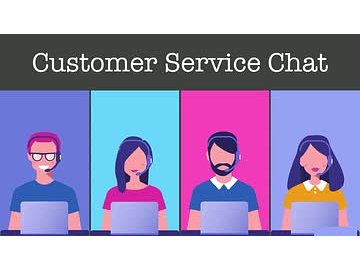

We've all been on the receiving end of bad customer service, but have you ever thought about the ripple effect one bad experience can create? You stop using that particular product or service, or use it less frequently, which means a loss in revenue for that business. Then you mention your lousy experience to someone else, or post about it on social media, which means even more revenue lost for that business. When you work for an organization of any kind, you know that customer satisfaction is paramount to a successful business. Therefore, customer service training is a must. That's what this course is all about. We'll discuss setting and meeting customer expectations and understanding customer needs.

It can be hard to know what makes customers happy or how to deliver consistently good service. Service quality indicators, or SQIs, turn that ambiguity into something you can measure.
What this course covers:
- What service quality indicators are and why they matter
- Identifying your organization's SQIs by talking to customers
- Strategies for gathering customer feedback
- Measuring and tracking your service performance
You will leave able to tell whether your team is truly doing a good job.

One of the best ways to partner with your customers is to help them decrease their expenses. Do your customers see you as a tool to help them lower their costs? How do you get them to see you that way and not as just another salesperson? In this course, we'll explore that as part of learning how to provide excellent customer service. We'll cover understanding customer expenses and then discuss potential ways to reduce their costs of goods, address their labor costs, and manage their occupancy costs.

Taking calls at work is a skill worth sharpening, especially now that we make fewer calls than we used to.
What this course covers:
- Speaking courteously when you answer a work call
- What not to say on a professional call
- Staying informed about your business so you can help callers
- Listening actively to understand what the caller needs
You will finish more confident handling any call that comes your way.

No one likes being put on hold, but when you run the phones for a business it is sometimes unavoidable.
What this course covers:
- Why callers end up on hold and how they experience it
- Research-backed techniques that make holding easier for the caller
- How to keep callers informed and reassured
- Handling the hold so you avoid angering the person on the line
Quick, practical guidance for anyone answering business calls.

If answering the phone is part of your daily duties, you take a lot of messages, and you are the gatekeeper who keeps your company running smoothly.
What this course covers:
- Your role in limiting solicitors and protecting private information
- Creating a plan with your boss and colleagues for specific situations
- Developing a callback schedule
- The information to collect from callers who need a callback
You will handle messages professionally and deliver excellent customer service.

Dealing with angry callers can be tough, but these moments are also chances to turn unhappy callers into satisfied, loyal customers.
What this course covers:
- Why listening matters when handling angry callers
- Showing sincerity and taking responsibility
- Finding solutions and fully resolving issues
- Turning unhappy callers into satisfied customers
Learn to handle difficult calls with confidence, self-paced on Coggno.

Struggling to reach a real person on a business line frustrates every caller. This course helps you keep customers happy through strong business phone etiquette.
What this course covers:
- Professional etiquette for answering and handling calls
- Setting up a clear business phone system
- Maintaining and updating your phone setup
- Everyday phone manners for the workplace
It suits anyone who represents their company by phone and wants callers to have a better experience.

We live in a feedback economy where customer reviews shape decisions.
What this course covers:
- The main types of customer feedback
- Common ways to quantify feedback
- Why feedback matters so much today
- How this fits into the wider feedback series
Build a foundation for gathering better feedback.

Once you know the different types of feedback customers can give, the next step is collecting it. This course focuses on gathering that feedback through surveys.
What this course covers:
- The different types of customer surveys
- Ways to measure and interpret survey results
- Using incentives to encourage participation
Turn customer feedback into insight you can act on.

What people post on social media shapes how others buy. This course shows you how to use that channel to gather customer feedback.
What this course covers:
- Why most consumers rely on social media to make buying decisions
- How recommendations from friends and family carry extra weight
- Why what people post about your company matters
- Ways to gather customer feedback through social media
Turn social conversations into useful customer insight.

Once you've gathered customer feedback, what do you do with it? This course covers the three key steps.
What this course covers:
- Tracking feedback using various methods
- Analyzing feedback objectively
- Taking action and making changes based on what customers tell you
Turn the feedback you collect into real improvements.
A customer service rep takes calls from customers. That's not hard to figure out. But there's so much more to this role than you might realize, if you've never worked in a call center. In this course, we'll go over the various responsibilities to this essential role. Whether you're called a customer service agent or associate, your duties might include solving customer problems, answering questions, offering technical support, documenting issues and requests, meeting call quotas, and most importantly, being a positive representative for your company.