
Bloodborne Pathogens for Healthcare Workers
40 min! Run Time
Employees
only
of Completion
What you'll learn
Description
The course introduces learners to common bloodborne diseases — including HIV, Hepatitis B, and Hepatitis C — and explains how they are transmitted in occupational settings. Learners will explore OSHA's requirements for exposure control, including the proper use of personal protective equipment (PPE), engineering controls, safe handling of sharps, and correct disposal of potentially infectious waste. The course also covers how to recognize warning labels, understand exposure control plan requirements, and respond effectively to emergency exposure incidents.
Upon completion, employees will have a clear understanding of their rights and responsibilities under OSHA's Bloodborne Pathogens Standard and the practical skills to protect themselves and their colleagues from exposure.
Best for
- Nurses, physicians, medical assistants, phlebotomists, laboratory technicians, emergency responders, and surgical staff
- Any employee who may come into contact with blood or potentially infectious bodily fluids in the course of their work.
Table of Contents
1. Introduction to Bloodborne Pathogens
2. What are Bloodborne Pathogens?
3. How BBP’s are transmitted.
4. Exposure prevention and the BBP standard
5. Requirements for an Exposure Control Plan
6. Responding to Emergencies
System Requirements
See System Requirements in the Coggno Knowledge Base
Author

Bloodborne Pathogens for Healthcare Workers

Frequently Asked Questions
It's built around OSHA's Bloodborne Pathogens Standard and CDC guidelines to give learners foundational exposure-control knowledge.
HIV, Hepatitis B, and Hepatitis C, along with how each is transmitted in occupational settings.
Proper use of PPE, engineering controls, safe handling of sharps, and correct disposal of potentially infectious waste.
Healthcare workers and others working with potentially infectious materials face this risk, which proper training can significantly reduce.
Through precautionary practices and correct use of protective equipment, both of which the course ties directly to OSHA's standard.

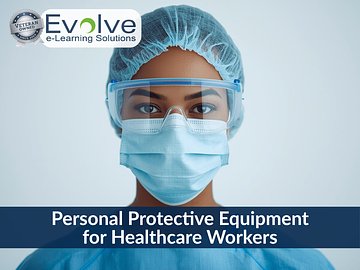
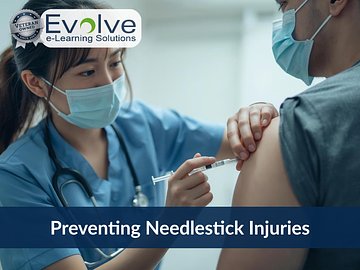
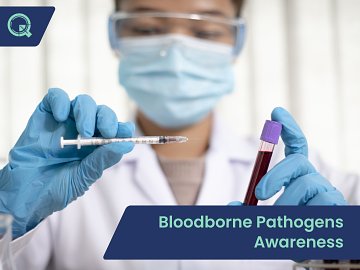
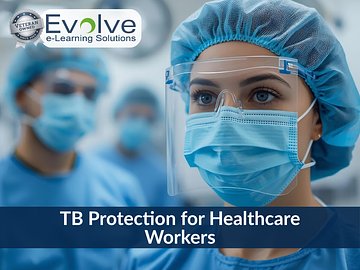
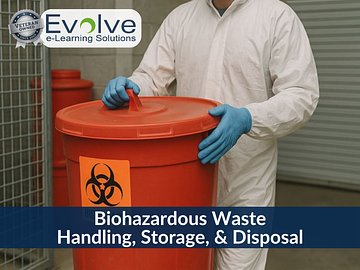
The course introduces learners to common bloodborne diseases — including HIV, Hepatitis B, and Hepatitis C — and explains how they are transmitted in occupational settings. Learners will explore OSHA's requirements for exposure control, including the proper use of personal protective equipment (PPE), engineering controls, safe handling of sharps, and correct disposal of potentially infectious waste. The course also covers how to recognize warning labels, understand exposure control plan requirements, and respond effectively to emergency exposure incidents.
Upon completion, employees will have a clear understanding of their rights and responsibilities under OSHA's Bloodborne Pathogens Standard and the practical skills to protect themselves and their colleagues from exposure.
Best for