
Flammable Liquid Safety
20 min! Run Time
Employees
only
of Completion
What you'll learn
Skills covered in this course
Description
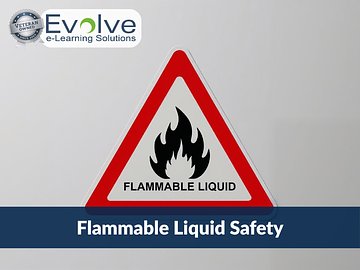
Learners will explore the key characteristics that distinguish flammable from combustible liquids, including the critical concept of flashpoint and how it determines the relative hazard level of different substances. The course covers the specific hazards associated with these liquids and provides clear, practical guidance on safe handling, dispensing, and storage procedures designed to minimize ignition risk and prevent accidents.
The course concludes with instruction on fire and spill response, ensuring employees know how to react quickly and appropriately when an incident occurs — protecting themselves, their colleagues, and their workplace from escalating harm.
Table of Contents
1. Introduction and Objectives
2. Flammable or Combustible
3. Hazards and Safe Work Practices
4. Fire and Spill Response
System Requirements
See System Requirements in the Coggno Knowledge Base
Author

Flammable Liquid Safety
Frequently Asked Questions
The National Fire Protection Association estimates flammable and combustible liquid fires cause approximately $76 million in property damage annually across workplaces.
Flashpoint is the critical concept covered, since it determines the relative hazard level of different liquids used or stored on site.
The course explores the key characteristics that distinguish flammable from combustible liquids, based largely on their respective flashpoints.
It says the risk occurs across virtually every workplace type, from laboratories and healthcare facilities to manufacturing plants and warehouses.
The goal is giving employees the foundational knowledge to work safely with these liquids and prevent accidental fires and explosions.

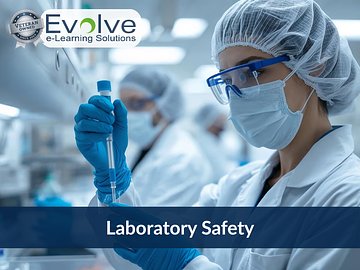


Learners will explore the key characteristics that distinguish flammable from combustible liquids, including the critical concept of flashpoint and how it determines the relative hazard level of different substances. The course covers the specific hazards associated with these liquids and provides clear, practical guidance on safe handling, dispensing, and storage procedures designed to minimize ignition risk and prevent accidents.
The course concludes with instruction on fire and spill response, ensuring employees know how to react quickly and appropriately when an incident occurs — protecting themselves, their colleagues, and their workplace from escalating harm.