
Fall Protection Systems
20 min! Run Time
Employees
only
of Completion
Friendly
Access
What you'll learn
Skills covered in this course
Description
OSHA Standard: 1910.28, .140, Subpart D, 1926.106 & industry best practices
Fall Protection Systems awareness training illustrates the different types of systems, under what conditions must a system be put in place, and how to be protected from objects that fall from above.
Additional topics include body belts, working positioning systems, and travel restraint systems. Learners will gain an awareness of their surroundings and understand which personal fall protection system best suits work being performed.
An interactive simulation allows the learner to explore a construction environment in a high-rise building and identify potential hazards and missing fall protection systems.
System Requirements
See System Requirements in the Coggno Knowledge Base
Author

Fall Protection Systems

Frequently Asked Questions
This standard course is built on OSHA Standard 1910.28, .140, Subpart D, and 1926.106, together with recognized industry best practices.
As a course, it illustrates the different categories of fall protection systems and the specific conditions requiring each type to be put in place.
Beyond core systems, the course adds body belts, working positioning systems, and travel restraint systems as supporting topics for learners to study.
Within the course itself, an interactive simulation lets the learner explore a construction environment inside a high-rise building at their own pace.
Working through the course's simulation, learners identify potential hazards and any fall protection systems that are missing from the scene.

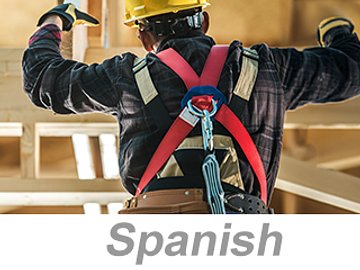


OSHA Standard: 1910.28, .140, Subpart D, 1926.106 & industry best practices
Fall Protection Systems awareness training illustrates the different types of systems, under what conditions must a system be put in place, and how to be protected from objects that fall from above.
Additional topics include body belts, working positioning systems, and travel restraint systems. Learners will gain an awareness of their surroundings and understand which personal fall protection system best suits work being performed.
An interactive simulation allows the learner to explore a construction environment in a high-rise building and identify potential hazards and missing fall protection systems.