
Slips, Trips & Falls
25 min! Run Time
Employees
only
of Completion
What you'll learn
Skills covered in this course
Description
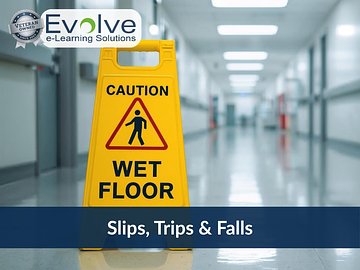
Learners will identify the most common hazardous conditions that contribute to slip, trip, and fall incidents in the workplace, including wet or uneven surfaces, poor lighting, cluttered walkways, and improper footwear. The course also addresses hazardous work practices and behavioral risk factors that increase the likelihood of a fall. A dedicated section on prevention strategies gives both employees and supervisors actionable steps to recognize, report, and eliminate hazards before an incident occurs.
Upon completion, employees will be equipped to identify fall hazards in their work environment and apply proven prevention strategies to keep themselves and their colleagues safe.
Table of Contents
1. Introduction and Objectives
2. Hazardous Conditions
3. Hazardous Acts and Work Practices
4. Preventing Slips, Trips and Falls
System Requirements
See System Requirements in the Coggno Knowledge Base
Author

Slips, Trips & Falls
Frequently Asked Questions
They account for more than 200,000 reported injuries and over 700 fatalities every year, making them a leading cause of work-related accidents in the US.
Slips, trips, and falls are the second leading cause of workplace deaths in the United States, trailing only motor vehicle accidents.
No, these incidents occur across every industry and job function, even though they're often dismissed as minor hazards compared to other workplace risks.
Consequences include serious injury and long-term disability, along with significant costs to employers in workers' compensation claims, lost productivity, and liability exposure.
Learners identify the most common hazardous conditions that contribute to slip, trip, and fall incidents, building awareness across every industry and role.


Learners will identify the most common hazardous conditions that contribute to slip, trip, and fall incidents in the workplace, including wet or uneven surfaces, poor lighting, cluttered walkways, and improper footwear. The course also addresses hazardous work practices and behavioral risk factors that increase the likelihood of a fall. A dedicated section on prevention strategies gives both employees and supervisors actionable steps to recognize, report, and eliminate hazards before an incident occurs.
Upon completion, employees will be equipped to identify fall hazards in their work environment and apply proven prevention strategies to keep themselves and their colleagues safe.