
Incident Reporting in Healthcare
12 min! Run Time
Employees
only
of Completion
What you'll learn
Skills covered in this course
Description
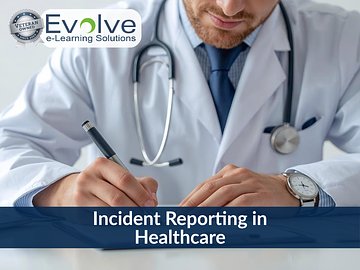
The course defines the three categories of incidents — harmful, no-harm, and near miss — and helps learners recognize which events in their daily work environment require reporting. Covered incident types include patient injuries, medication errors, equipment failures, adverse drug reactions, errors in patient care, and employee and visitor safety events. Learners will explore why incident reporting matters not just for regulatory compliance, but as a practical tool for improving patient outcomes and reducing organizational risk.
A dedicated section on incident report protocol walks employees through exactly what information must be included in a complete and accurate report, along with the critical do's and don'ts of the documentation process — helping organizations avoid common errors that can compromise investigations or create legal exposure.
Table of Contents
1. Introduction and Objectives
2. Defining an Incident
3. Incident Report Protocol
System Requirements
See System Requirements in the Coggno Knowledge Base
Author

Incident Reporting in Healthcare
Frequently Asked Questions
The course defines harmful incidents, no-harm incidents, and near misses, helping healthcare employees recognize which category an event falls into.
Covered incident types include patient injuries, medication errors, equipment failures, and adverse drug reactions among other reportable events.
Accurate, timely reporting is treated as a cornerstone of patient safety and risk management, essential to understanding root causes and preventing recurrence.
Yes, near misses that could have led to serious consequences are covered alongside events that caused harm or no immediate injury.
Employees learn what constitutes a reportable incident and how to document it correctly to support a culture of safety and accountability.




The course defines the three categories of incidents — harmful, no-harm, and near miss — and helps learners recognize which events in their daily work environment require reporting. Covered incident types include patient injuries, medication errors, equipment failures, adverse drug reactions, errors in patient care, and employee and visitor safety events. Learners will explore why incident reporting matters not just for regulatory compliance, but as a practical tool for improving patient outcomes and reducing organizational risk.
A dedicated section on incident report protocol walks employees through exactly what information must be included in a complete and accurate report, along with the critical do's and don'ts of the documentation process — helping organizations avoid common errors that can compromise investigations or create legal exposure.