
Radiation Safety
20 min! Run Time
Employees
only
of Completion
What you'll learn
Skills covered in this course
Description
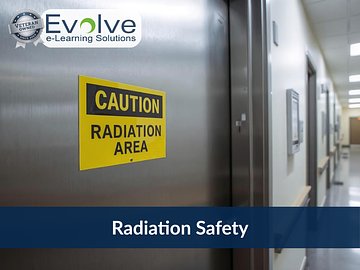
Learners will explore what radiation is, how it is used across different healthcare settings, and the specific sources they are most likely to encounter in their roles. The course covers the hazards and physiological effects of radiation exposure — including both acute and long-term health consequences — and details the exposure limits established to protect workers. A dedicated section on protection methods equips employees with practical strategies for minimizing their radiation dose, including the principles of time, distance, and shielding, as well as the proper use of personal protective equipment and dosimetry devices.
Upon completion, healthcare workers will have the foundational knowledge needed to work safely in radiation-present environments and contribute to a culture of radiation safety within their organization.
Table of Contents
1. Introduction and Objectives
2. Radiation Sources and Hazards
3. Radiation Exposure Effects
4. Radiation Exposure Limits
Protecting Against Radiation Exposure
System Requirements
See System Requirements in the Coggno Knowledge Base
Author

Radiation Safety
Frequently Asked Questions
From diagnostic imaging like x-rays and mammograms, therapeutic radiation in cancer treatment, and nuclear medicine procedures.
No, the course also covers radiation sources found in laboratory and pharmaceutical environments.
Poorly managed exposure poses health risks that can accumulate over time, even though radiation is essential in modern healthcare.
What radiation is, how it's used across healthcare settings, and the sources they're most likely to encounter in their roles.
Healthcare workers who need to protect both themselves and their patients in radiation-present environments.



Learners will explore what radiation is, how it is used across different healthcare settings, and the specific sources they are most likely to encounter in their roles. The course covers the hazards and physiological effects of radiation exposure — including both acute and long-term health consequences — and details the exposure limits established to protect workers. A dedicated section on protection methods equips employees with practical strategies for minimizing their radiation dose, including the principles of time, distance, and shielding, as well as the proper use of personal protective equipment and dosimetry devices.
Upon completion, healthcare workers will have the foundational knowledge needed to work safely in radiation-present environments and contribute to a culture of radiation safety within their organization.