
Safety
13h! Run Time
Employees
only
of Completion
What you'll learn
Skills covered in this course
Description
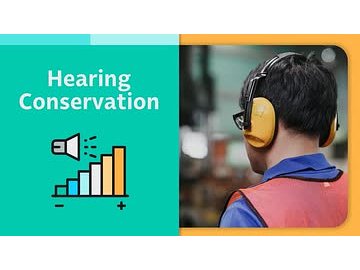
Offering safety training for employees isn't just good practice, it's mandatory for many companies. Our training covers important topics such as personal protective equipment and forklift safety, and goes beyond to include topics such as OSHA recordkeeping and hearing conservation. Our wide range of topics gives learners well-rounded safety training to keep them from getting injured or jeopardizing the safety of others.
This lesson will familiarize you with the health and safety hazards you may face when working in an office environment, and introduce techniques for preventing and responding to injuries, illnesses, and security threats that may occur.
System Requirements
See System Requirements in the Coggno Knowledge Base
Author

Safety






In this course, learn what employers can do to minimize the risks of slips, trips, and falls.


The Occupational Health and Safety Administration, or OSHA, created certain guidelines pertaining to the service and maintenance of machinery and equipment powered by hazardous energy. These procedures are commonly referred to as lockout tagout. These guidelines establish clear, actionable steps for disabling the flow of hazardous energy to machinery before service work and instruct employees on the safest way to restart equipment after repairs have been completed.
Keep in mind, lockout tagout procedures will vary, depending on the machinery found at your worksite and the energy source that is used to power equipment. Regardless of the individual workplace, here are a few considerations of the lockout tagout process that you, as an employee, should be aware of. This content complies with OSHA regulation 1910.147.




In this course, learn the basics for safely using portable fire extinguishers. This content complies with OSHA regulation 1910.157.
Topics:
- OSHA
- Fire Prevention
- workplace safety

In this Portable Fire Extinguishers for Managers Course, learn how to protect your employees and your business from the most common emergency in the U.S. This content complies with OSHA regulation 1910.157.
Extinguisher types covered:
- Dry chemical fire extinguishers
- Water fire extinguishers
- Foam fire extinguishers



When it comes to confined space rescues, emergency planning and rescue protocols can greatly influence the outcome. In fact, proper planning could mean the difference between a rescue and an avoidable tragedy. The federal Occupational Safety and Health Administration (OSHA) estimates there are about 100 deaths in confined spaces every year.
These occur across a variety of industries, but more than 60% of the fatalities are would-be rescuers. And while we all know that different confined spaces have their own unique challenges, OSHA points to poor planning as a leading cause of fatalities. Some rescues are unsuccessful because the rescuers don't fully understand the environment they're entering or the on-site team is unprepared to help.
In this course, we're going to talk about what employers need to know when planning for a rescue. It's important to begin by noting that, regardless of your industry, a documented, written emergency response plan is required by OSHA for permit-required confined spaces. This content complies with OSHA regulation 1910.146.



In this course, learn about the four special cases that require recordkeeping: needlestick injuries, medical removal, hearing loss, and tuberculosis diagnosis. This content complies with OSHA regulation 1904.8 - 1904.11
Topics:
- Safety
- business skills


In this course, learn how to complete OSHA's injury and illness recordkeeping forms, while protecting the privacy of the employee. This content complies with OSHA regulation 1904.29.




It might surprise you to learn that an estimated five million U.S. workers are required to wear respirators in 1.3 million workplaces. A respirator is a device that protects you from inhaling dangerous substances. Different types of respirators offer protection from different hazards. Respirators either filter particles from the air, chemically clean the air, or supply clean air from an outside source.
As you might've guessed, exposure to these hazards can cause all sorts of health issues, from asthma to cancer. There are a couple of different types you may encounter, so in this course, we'll talk through those. We'll also go over some cautions, limitations, and restrictions when it comes to respirators.
Lastly, we'll touch on some work practice control measures for handling airborne hazards. This content complies with OSHA regulation 1910.134.

OSHA estimates that nearly 6.5 million people work at construction sites across the country every day and they recently found that the rate of fatalities in construction is higher than the national average of all other industries. This means that personal protective equipment (PPE) is of utmost importance for anyone working in this field. Yet, many folks in the industry don't use PPE the way they should.
In this program, we'll:
- talk about the reasons why people don't use the proper PPE
- discuss employer responsibilities in terms of PPE specific to the construction industry
- go through each of the different types of PPE
This course is an introduction to the OSHA regulations created specifically for the construction industry, and is ideal for new employees. This content complies with OSHA regulation 1926.100-102.

















Frequently Asked Questions
Forklift safety, OSHA recordkeeping, and hearing conservation are all named alongside personal protective equipment as part of the wider topic range.
An office environment specifically, covering health and safety hazards that come up there rather than only industrial or warehouse settings.
Prevent and respond to injuries, illnesses, and security threats that could arise while working in an office setting specifically.
To give learners well-rounded safety training that keeps them from getting injured or putting others' safety at risk across settings.
No — it's framed as mandatory for many companies, not simply good practice layered on top of other workplace requirements.


