Online Courses Professional Development Sales Basic Selling Skills

Basic Selling Skills

Created by: HSI - Health & Safety Institute Top Author
5.0 1,862 views Prime
Last Updated 10/2022
English
Export to your LMS
Full Lifetime Access
Finish in
3h 22 min! Run Time
Made for for
Employees
only
Certificate
of Completion

What you'll learn

Learn or improve vital sales strategies such as prospecting, discovery calls, defeating customer stalls, closing the sale, and much more.

Description

A consistent, effective selling process gives your sales team a stronger foundation and a shared way of working.

What this course covers:

  • Building a consistent, repeatable selling process
  • Moving a prospect down the sales funnel
  • Practical selling tools for your team
  • Unifying your sales methodology across the team

For sales teams that want to reinforce core skills and reach their goals together.

System Requirements

See System Requirements in the Coggno Knowledge Base

Author

HSI - Health & Safety Institute

2000 Courses

Making the Workplace Safer and Smarter
HSI (Health & Safety Institute) is a recognized leader in Environmental, Health and Safety (EHS) and workforce development software, training, and compliance solutions.
HSI is your single-source partner for EHS, Compliance, and Professional Development solutions. HSI provides integrated e-learning content, training solutions, and cloud-based software designed to enable your business to improve safety, operations, and employee development. Across all industries, we help safety and technical managers, human resources, first responders, and operational leaders train and develop their workforce, keep workers safe, and meet regulatory and operational compliance requirements. We are a unique partner that offers a suite of cloud-based software solutions including learning management, safety management, chemical SDS management, and more, integrated with our content and training so businesses can not only monitor and manage multiple workflows in one system, but train employees via one partner.

Basic Selling Skills

The Unmet Need
The Unmet Need

Without a need, don't proceed. Great selling starts with uncovering what the customer actually needs.

What this course covers:

  • Why you can't force or fake a customer's need
  • How to determine what the customer truly needs
  • The psychology behind a sale
  • Increasing revenue versus reducing expenses
  • Building the customer's need into your sales process

For salespeople who want to sell by solving real problems.

QuickSell
QuickSell Today's customers are busy with no time to waste on forming personal relationships with their sellers. Learning the Quicksell is fast, easy, and it works!
Determining Customer Needs
Every sale starts with a question: What does the customer truly need? That answer should shape everything that follows - from how you frame your offer to whether you make one at all. Sales professionals know the rule: don't proceed without a need. This course helps you develop the research habits, listening skills, and strategic mindset that turn information into insight and insight into action.
Turning Features into Benefits
Turning Features into Benefits Everyone's favorite radio station is WII-FM. This stands for "What's In It For Me?", and you've probably heard the phrase before. It's prevalent because it's true. Your customers do not care about how big, shiny, fancy, or delicious your products are. They care about benefits. So it's a matter of fine tuning your presentation, which this course proudly presents. We show you how to move easily from features to benefits, which leads to the nod, then to the "Yes." And that is truly music to the ears.
What Is a Sales Process?

A sales process is a repeatable series of steps that turns a prospective buyer into a customer and gives every prospect a consistent experience.

What this course covers:

  • Why a defined sales process matters
  • Prospecting, qualifying, and approaching leads
  • Presentation and handling objections
  • Closing the deal and following up

Ideal for sales teams that want to identify better leads and close more deals.

Asking Great Sales Questions

Deals happen when you ask the right questions at the right time. This course helps you move past surface answers to uncover what customers really need.

What this course covers:

  • Different types of sales questions
  • When and how to use each type
  • The do and don't of asking sales questions
  • Example questions to get prospects talking

Ideal for salespeople who want to ask better questions and build stronger conversations.

When to Shut Up
When to Shut Up Being quiet can be a very important part of the sale. It can be the difference between making the sale and walking out the door with nothing. This course explores the concept of "shutting up," how it fits in to the Quicksell, and its role in selling to different personality types. Use this technique, and you'll soon see that silence truly is golden!
Emotional Selling and Storytelling

People buy on emotion, and stories are how you reach it.

What this course covers:

  • Why emotions drive buying decisions
  • Using stories to connect with customers
  • How quotes and passion for your product build engagement
  • Leveraging storytelling as a selling tool

For salespeople who want to sell through emotion and connection.
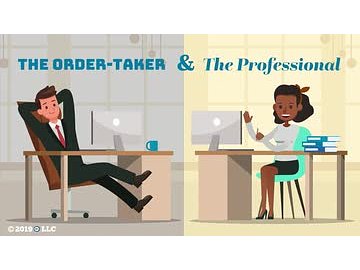
The Order-Taker & the Professional
"Never settle for the path of least resistance." 

Yes, in sales, it's possible to meet your quotas, keep your boss off your back, and do as little work as possible to get by. You can also surpass your quotas, keep your sales funnel full, meet or exceed your customers' expectations, and rise up the ranks. Who would you rather be: the order-taker or the professional?
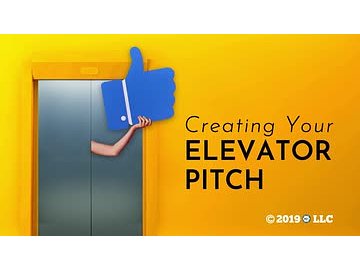
Creating Your Elevator Pitch
You have 60 seconds to sell your product or service. How do you make the most of it? That's what this course is all about. An elevator pitch is a short, memorable description of what you sell and its benefits. It comes from the idea of succinctly presenting your product or service on an elevator ride, thereby enticing your audience, or fellow passengers. The goal isn't to sell right away, but to gain interest. In this video, we'll talk about both writing and delivering your elevator pitch.
Writing a Sales Proposal

A strong sales proposal informs the client, demonstrates your company's value, and justifies their investment in your business.

What this course covers:

  • Why a well-written proposal matters to closing the deal
  • The key sections every sales proposal needs
  • A section-by-section guideline you can follow
  • How to demonstrate value and justify the client's investment

For salespeople who want a repeatable framework for writing winning proposals.

Tough Customers: The Bully

You run into all different types, working in sales. You'll meet wonderful customers who become friends, and you'll meet others who are awful to deal with. In this course, we'll talk about a tough customer that you're likely to run into during sales calls: the bully. This client may raise their voice, make demands, and dominate the conversation. But you still need to make the sale. Let's discuss how to sell to these people. We'll touch on nerves, body language, and tone. We'll also go over some conversational tips and the proper ways to handle conflict.

Closing the Sale
Closing the Sale Tom Petty sang that "The waiting is the hardest part," but many of us feel that it's the closing. At closing, it can seem that you and your customer are pitted against each other, coming from opposite corners. But what if you took off the gloves and put on a different perspective, and role? The one of therapist, coach, or guide? What if you were just simply guiding them through a path to met needs and benefit realization? And it was almost as if you were giving them a "gift" in the close? This course shows you the way.
Speaking Customer
Speaking Customer Interactions with customers can be wonderful. You have the opportunity to find out about what they need, figure out how you can help them, get them to use your product or service, and make money while doing it. This is true especially if you speak their language: customer. In this course, we explain how to make sure you are on the "same page" as your customer, not only with your words, but also with your focus.
Tough Customers: The Hesitator

Being a salesperson is difficult, and tough customers will throw all sorts of obstacles at you, from their budget or schedule, to "better" competition or the need to run it by their boss. All of these objections can be overcome, but the really tricky customer is the hesitator. The hesitator is indecisive, and they take up more of your time than they should. So, what's the best way to deal with the hesitator? That's what we'll cover here.

Tough Customers: The Grump

You'll find tough customers in any industry, and sooner or later, you're going to have angry customers. We all know them - the grumps. These are people who feel their needs should be prioritized above all others. They have trouble containing their emotions, are usually stubborn, and are likely to start ranting. Sometimes grumps will even cause a scene, so with these types, your job is to take control of the situation and start offering solutions. Dealing with a grump is a several step process and that's what we'll cover here.

Tough Customers: The Entitled

One of the most common tough customers is the entitled customer. They expect special treatment, and often, they don't play fair. You cannot let them walk all over you. So, how do you handle this tough customer? It involves lots of efficient communication, treating customers equally, and setting reasonable expectations for their high demands. In this course, we'll cover all that needs to be done to successfully deal with the entitled customer.
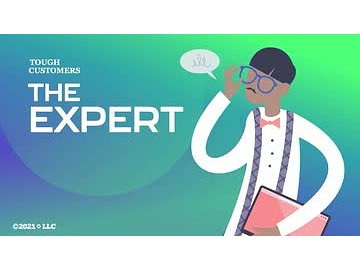
Tough Customers: The Expert
Have you ever tried to sell to a customer who thinks they know it all? This tough customer is known as the expert. They know everything about your products or service, they criticize things that you say or do, and they definitely don't want your advice. Super easy sell, right? Wrong, but it's not an impossible sale. It just takes some skill and finesse, and that's what we'll talk about here.
Sales Time Management

Between researching prospects, following up with leads, writing proposals, and making calls, it is hard to know where to start.

What this course covers:

  • Setting clear sales goals
  • Weekly planning and prioritizing your work
  • Getting and staying organized
  • Habits to avoid and the importance of taking breaks

Built for salespeople who want to make the most of their time.
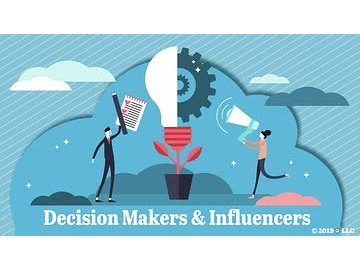
Decision Makers and Influencers
Decision makers have the power and authority to make a sale happen. Influencers have the power to influence and persuade the decision makers. Who should you pitch to? Who should you spend more time talking to? How do you determine who the decision makers and influencers are? That's what this course is all about. We'll discuss the differences between these two customer types and what role they play in the sales process.
Building a Sales Plan

A sales plan is your map from where you are now to the goals you want to hit.

What this course covers:

  • Why a sales plan turns goals into results
  • The seven components of an effective sales plan
  • Helpful strategies and tactics
  • Which tools and systems support your plan
  • Measuring progress with the right metrics

Built for salespeople and managers who want a clear, actionable plan.

Selling in New Products
Selling in New Products "At the end of the day, we are not selling, we are serving." - Dave Ramsey You are not selling a new product. You are serving your customer. And what do our customers want to be served? A big, heaping bowl of profit! In this course, we'll share the recipe for this profit, which includes two main ingredients: traffic and transaction size. You'll learn proper presentation, and how to serve it up, right there in your new product.
Selling To Different Customer Roles
Selling To Different Customer Roles If satisfying the Customer Need is the key to the sale (which it is), then it stands to reason that the class: Determining Customer Needs is where the locksmith works. But there is always one more thing to learn about your customer. This class shows how customers who work in different roles have different-sometimes very selfish-needs. If you try to sell the same benefit of your solution to every buyer in a particular account, some respond and others don't. The answer is that they have a different perspective as to what is needed...because they have a different area of responsibility. Figure it all out in this fast moving class.
Distance Selling: Phone Selling

Selling over the phone is one of the trickiest forms of sales, but it can be done well with the right approach. This course shows you how.

What this course covers:

  • Setting clear call objectives
  • Qualifying leads and asking good questions
  • Getting through to decision makers
  • Overcoming objections and closing the deal

Ideal for sales professionals who want to sell more effectively by phone.

Distance Selling: The Virtual Presentation

Virtual presentations often demand even more preparation than in-person ones.

What this course covers:

  • Designing unique virtual presentations that resonate
  • Structuring content, timing and delivery
  • Creating a strong opening and a memorable ending
  • Basic rules for visually pleasing presentations

For sales professionals presenting to remote audiences.

Distance Selling: How to Influence Over the Phone

The hardest part of distance selling is inspiring trust without your physical presence, expressions, or a handshake to rely on.

What this course covers:

  • Body language, posture, and breathing for phone conversations
  • Using your voice: volume, pitch, tempo, and inflection
  • How your attitude shapes every call
  • Building trust and confidence with buyers over the phone

For salespeople who sell remotely and want to influence buyers by phone.

Recordkeeping: Recordkeeping Basics

Recordkeeping is not thrilling, but for salespeople it is essential. Poor records lead to lost orders, missed callbacks, and unhappy customers.

What this course covers:

  • The basics of good sales recordkeeping
  • How poor records cause customer problems
  • Using your CRM effectively
  • Handling internal sales communication

Keep accurate records and keep your customers happy.

Recordkeeping: Using Your CRM Effectively

A CRM is only as useful as the information you put into it.

What this course covers:

  • The benefits of using a CRM system
  • Why recording more than the basics matters
  • The types of information worth entering
  • The drawbacks to be aware of when using CRM software

You will use your CRM more effectively and get more value from your customer data.

Recordkeeping: Internal Sales Communication

On a sales team, especially in outside sales, it is easy to live in a silo focused only on your own numbers and territory.

What this course covers:

  • Why staying connected is critical to sales success
  • The importance of internal communication for sales teams
  • How silos hurt outside sales performance
  • How to implement an effective communication strategy

Guidance for keeping sales teams aligned and informed.
Handling Objections: The Basics of Overcoming Objections
Objections often appear when a customer’s need and the offered solution are not fully aligned, and recognizing that gap is the first step toward resolving it. You will learn how to interpret different forms of pushback, uncover unmet needs, and respond with clarity and empathy. When you understand what drives hesitation, you can turn uncertainty into productive, trust-building conversations.
Handling Objections: Techniques for Defeating Objections
Objections are often opportunities in disguise, especially when you know how to interpret what the customer is really communicating. You will learn how to clarify misunderstandings, validate doubt with proof, surface hidden concerns, and navigate true negatives with honesty. These techniques help you guide conversations that feel collaborative, practical, and grounded in trust.
Handling Objections: Doubt

Doubt is when a customer does not believe what you are telling them, often thinking it sounds too good to be true or hearing otherwise from a competitor.

What this course covers:

  • What the doubt objection is and why it comes up
  • How doubt differs from other sales objections
  • Practical ways to build belief and credibility
  • How to overcome doubt when you meet it with a customer

You will be able to turn skepticism into trust and keep the sale moving.
Handling Objections: Misunderstanding
"The worst distance between two people is misunderstanding." 
 
Unknown
 
It's terrible to be misunderstood, particularly when it impacts your livelihood. If the customer misconstrues the data you've provided, or the client simply doesn't fully understand what you're offering, how do you clear that up and overcome a misunderstanding objection? That's what this course is all about.
Handling Objections: True Negative

A true negative objection is a genuinely weak point in your offer, like a higher price or a shorter warranty than a competitor. How do you respond when the objection is accurate?

What this course covers:

  • What defines a true negative objection
  • A quick refresher on sales psychology
  • How to respond when the criticism is fair
  • Techniques to keep the sale moving forward

It helps salespeople handle honest objections without losing the deal.

Handling Objections: Indifference

Indifference is a tricky objection because the customer does not think they need what you sell, usually because their unmet need has not surfaced yet.

What this course covers:

  • How to uncover unmet customer needs
  • The sales psychology behind indifference
  • Identifying and prioritising objections
  • Reading the buying signs that signal interest

Turn indifference into interest, self-paced on Coggno.

Smile!
Smile! Smiling has a great impact on ourselves and those around us. Smiling affects everything from our health to our work productivity. This course reviews the positive outcomes of smiling and it gives advice on how to practice a genuine smile.

Frequently Asked Questions

This course is designed for employees who need to complete Basic Selling Skills training

Yes. This course is designed to meet applicable federal requirements and commonly mandated state standards. Always confirm specific state or industry requirements with your local regulations.

The course takes approximately 202 minutes to complete and can be paused and resumed at any time.

Yes. Learners receive a downloadable certificate upon successful completion, which can be used for compliance records and audits.

Yes. You can assign this course to individuals or groups using Coggno’s LMS, or purchase multiple seats for your team.

Yes. This course can be exported for delivery in most learning management systems (SCORM compatible).

Yes. The course is fully self-paced and available 24/7.

Yes. This course includes a knowledge check to reinforce learning and verify completion.

Learners have lifetime access from the date of purchase.

Yes. A preview is available so you can review the course format and content before purchasing.

Yes. Content is reviewed and updated as regulations and best practices change.

Yes. This course is available for free with an active Prime Subscription.

Yes. Refund requests can be submitted within 30 days of purchase.

Courses Handpicked for you