
Defensive Driving - Hazardous Weather
15 min! Run Time
Employees
only
of Completion
What you'll learn
Skills covered in this course
Description
Hazardous weather is one of the deadliest factors on the road. This module of the Defensive Driver program shows how bad conditions reduce your grip and reaction time.
What this course covers:
- How rain, snow, ice, fog, and wind affect visibility and control
- Understanding friction loss and why it leads to accidents
- Preventable factors that make bad-weather driving worse
- Defensive techniques for staying safe in adverse conditions
Ideal for drivers who face changing weather on the job.
System Requirements
See System Requirements in the Coggno Knowledge Base
Author

Defensive Driving - Hazardous Weather

Frequently Asked Questions
It covers how rain, snow, ice, fog, and wind each reduce visibility and vehicle control, so drivers can recognize which conditions demand the most caution.
Bad conditions cut into your grip and reaction time at once, a combination the course identifies as one of the deadliest factors on the road.
Yes, it explains friction loss and how it leads directly to accidents when tires can no longer grip a wet, icy, or snowy surface.
The course points out preventable factors that make bad-weather driving worse, framing many weather-related crashes as avoidable rather than inevitable.
Drivers who face changing weather on the job, since it pairs defensive techniques with an understanding of how conditions shift control and stopping ability.
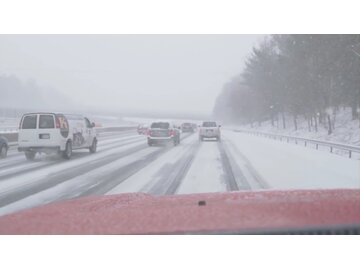


This course addresses the diverse and potentially deadly forms of weather, including rain, snow, ice, fog, and wind. Recognizing that hazardous weather conditions significantly impact visibility and responsiveness, the course emphasizes the importance of understanding friction loss, a common factor leading to accidents. The curriculum extends to cover various preventable factors that can exacerbate unsafe situations. This training is a part of the broader "Defensive Driver" program, focusing on five key aspects of weather-related safety. Describe the impact of hazardous weather conditions on visibility and responsiveness. Identify friction loss as a common factor leading to accidents in adverse weather. Recognize the diverse forms of hazardous weather, including rain, snow, ice, fog, and wind. Describe the principles of how friction works in driving and its significance for vehicle control. Demonstrate knowledge of safe driving practices during winter conditions.
Course Objectives:
Describe the impact of hazardous weather conditions on visibility and responsiveness.;Identify friction loss as a common factor leading to accidents in adverse weather.;Recognize the diverse forms of hazardous weather, including rain, snow, ice, fog, and wind.;Describe the principles of how friction works in driving and its significance for vehicle control.;Demonstrate knowledge of safe driving practices during winter conditions.
Duration: 15 min.