
Defensive Driving - Hazardous Weather: How Friction Works
7 min! Run Time
Employees
only
of Completion
What you'll learn
Description
Friction is what keeps your tires gripping the road. This module explains how braking and tire condition work together and why bad weather changes everything.
What this course covers:
- How friction and brake application control speed and velocity
- Why quality tires are essential to safe stopping
- Visual inspections for bald spots, bubbles, and wear
- Adjusting driving behavior when weather reduces friction
Ideal for drivers who want to prevent weather-related skids.
System Requirements
See System Requirements in the Coggno Knowledge Base
Author

Defensive Driving - Hazardous Weather: How Friction Works

Frequently Asked Questions
It explains how friction and brake application work together to control speed and velocity, showing why tire grip determines stopping ability.
The course establishes why quality tires are essential to safe stopping, since worn rubber cannot generate the same grip on the road.
Visual inspections for bald spots, bubbles, and wear, giving drivers a way to catch tire problems before they cause a skid.
It teaches adjusting driving behavior when weather reduces friction, linking tire condition to how conditions change stopping distance.
Drivers who want to prevent weather-related skids by understanding how friction, tires, and braking interact.

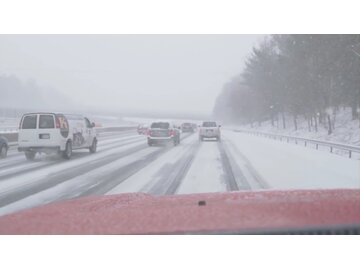


This course delves into the critical role of friction in controlling a vehicle's speed and velocity, particularly when applying brakes. Emphasizing the significance of quality tires, the course highlights the importance of visual inspections to identify potential issues such as bald spots or bubbles that could compromise safety. Additionally, it addresses the impact of hazardous weather conditions on friction, advocating for adjustments in driving behavior to maintain optimal tire-road interaction and prevent accidents. Gain insights into how friction, facilitated by brake application and tire-road interaction, is essential for controlling speed and ensuring vehicle safety. Develop the ability to conduct visual inspections of tires, recognizing indicators like bald spots and bubbles, and understanding the importance of proper inflation for safe driving. Learn strategies for adapting driving behavior in hazardous weather conditions, including rain, snow, and fog, to optimize friction and prevent accidents.
Course Objectives:
Gain insights into how friction, facilitated by brake application and tire-road interaction, is essential for controlling speed and ensuring vehicle safety.;Develop the ability to conduct visual inspections of tires, recognizing indicators like bald spots and bubbles, and understanding the importance of proper inflation for safe driving.;Learn strategies for adapting driving behavior in hazardous weather conditions, including rain, snow, and fog, to optimize friction and prevent accidents.;;
Duration: 7 min.