

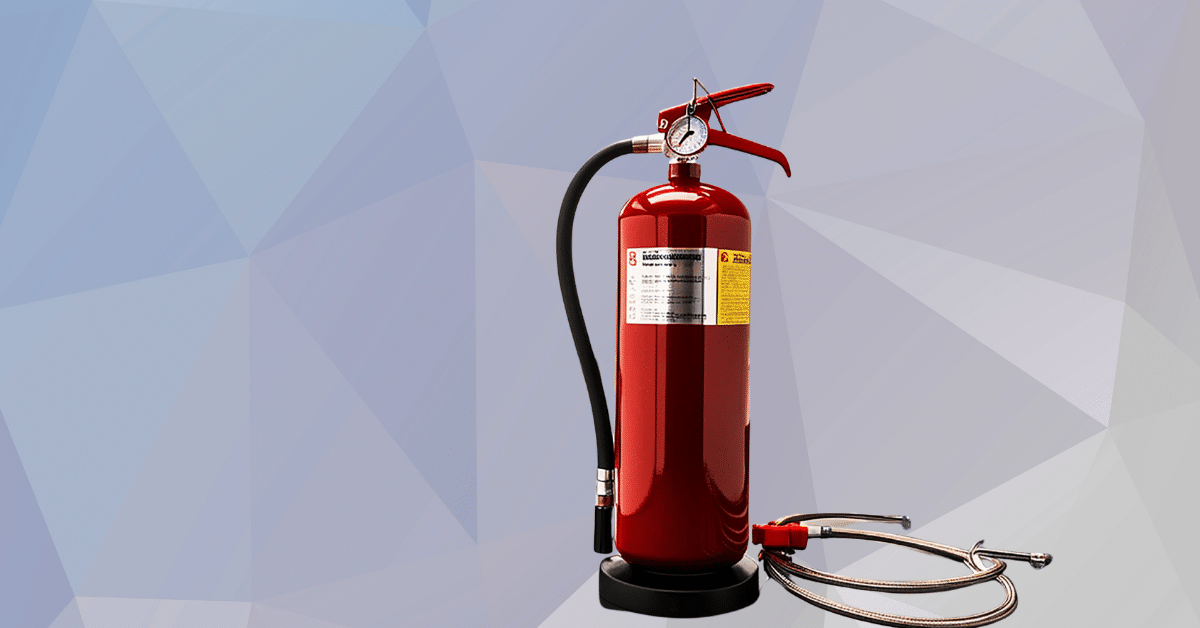
The first time I watched a fire extinguisher fail a team, it wasn’t dramatic. It was a small flare-up in a breakroom microwave that turned into a smoky mess. Someone grabbed the extinguisher, pulled the pin, squeezed the handle, and got a sad little puff. The room went quiet for half a second, the way it does when your brain tries to rewind time. They handled it safely, but that moment left a mark: an extinguisher is only “there” if it performs when you ask it to.
That’s why knowing when to recharge or replace a fire extinguisher matters. Most workplaces do not struggle with the idea of having extinguishers. They struggle with the decision point: after a discharge, after a failed check, after visible damage, do you service it or retire it? Clear rules remove guesswork, protect people, and prevent the awkward discovery that a safety tool has quietly expired.
Why This Choice Matters More Than People Expect
A fire extinguisher is like a seatbelt you never want to test at full speed. You can look at it every day and still not know if it will lock when it’s supposed to. The choice to recharge or replace is really a choice about reliability under stress.
There’s also a business side that’s easy to overlook. A poorly maintained extinguisher can lead to downtime, property damage, failed inspections, and employee anxiety. People notice when safety tools look neglected. A clean, ready extinguisher sends a simple message: this place takes readiness seriously.
Recharge Or Replace A Fire Extinguisher: Clear Decision Rules
If you only remember one rule, make it this: if the extinguisher has been used, even for a second, it usually needs service before it goes back on the wall. “Used” includes quick bursts, testing sprays, or any discharge that breaks the seal and reduces internal pressure.
Here are clear, practical rules that cover most workplace situations:
- Recharge when: the unit has been discharged (even briefly), the gauge shows low pressure on a stored-pressure model, or the tamper seal is broken and the unit cannot be confirmed as ready.
- Replace when: the cylinder is damaged, heavily corroded, leaking, missing parts, has an unreadable label, fails a required test, or the cost and hassle of service outweigh the value of the unit.
A good way to think about it is this: recharge is for “the extinguisher is healthy but empty or partially depleted.” Replace is for “the extinguisher’s body, controls, or identity are no longer trustworthy.”
The Fast Rule After Any Discharge
Many people assume a tiny burst does not matter. It does. Even a short squeeze can drop pressure, disturb the agent, or leave the unit below its rated capacity. The extinguisher may still feel “heavy enough,” but feel is not a measurement.
After any discharge, treat the extinguisher like a battery that’s been drained. Put it out of service, tag it, and send it for proper recharge and evaluation. If you manage multiple units, keep a spare on hand so one discharge does not leave a gap in coverage.
Practical habits that help right after a discharge:
- Put a simple “DO NOT USE” tag on it immediately.
- Note the date, location, and what happened.
- Replace it on the wall with a spare right away.
- Send the used unit for servicing as soon as possible.
This is one of the cleanest decision points you’ll ever get in safety work. If it sprayed, it goes for service.
What The Gauge, Seal, And Tag Are Really Saying
A quick glance tells you a lot if you know what you’re looking for. On many common extinguishers (ABC dry chemical stored-pressure models), the pressure gauge should be in the green zone. If it’s below green, the extinguisher is not ready for reliable discharge.
The tamper seal matters just as much. A broken seal does not automatically prove the unit was discharged, but it does mean the unit has been handled in a way that removes your confidence. If you can’t confirm readiness, treat it as a service item.
Look for these warning signs during routine observation:
- Gauge needle below the charged range (or above, if over-pressurized)
- Bent pull pin, missing pull pin, or missing tamper seal
- No inspection tag, missing service history, or a tag that looks altered
- Visible powder residue around the nozzle or horn (a clue the unit was used)
If the unit looks questionable, the safest management choice is to pull it from service and have it evaluated. Guessing is how bad equipment stays on the wall.
Physical Damage And Corrosion: When Replacement Makes More Sense
Some damage is cosmetic. Some damage changes the safety of the cylinder itself. Dents, deep scratches, heavy rust, pitting, oil-soaked labels, and corrosion around welds or the base can turn a pressure vessel into a liability.
Replacement becomes the clean call when the cylinder can’t be trusted, or when the extinguisher’s identity can’t be confirmed. If the label is missing or unreadable, you lose the information needed for correct use, correct servicing, and correct compliance.
Two practical examples show the difference:
- A scuffed paint finish on the body may be fine if the cylinder is solid and the label is readable.
- Rust that flakes off, corrosion at the bottom seam, or damage near the valve area pushes you toward replacement.
If your team hesitates because they “hate wasting equipment,” remember what you’re protecting. You’re not saving a cylinder. You’re protecting people who might grab it in a hurry.
Testing Cycles And Age: The Calendar Still Matters
Extinguishers are not “buy once, forget forever.” Different types have different testing and service intervals, and at some point the cost and effort of keeping an older unit becomes harder to justify.
Hydrostatic testing is one of the big calendar items. This is not a quick visual check. It’s a pressure test of the cylinder that happens on a schedule depending on the extinguisher type. If a unit is due (or overdue) for required testing, that can tip the scale toward replacement, especially for low-cost units.
Age also affects parts availability and reliability. A perfectly maintained extinguisher can still become a nuisance if replacement parts are discontinued or if servicing costs approach the price of a new unit. In those cases, replacement is less about “it’s old” and more about “it’s no longer practical to keep it in service.”
Special Decision Notes By Extinguisher Type
Not all extinguishers behave the same. A rule that works for an ABC dry chemical unit won’t always map cleanly onto a CO2 extinguisher or a water-mist model.
Here are practical notes that help you avoid common mix-ups:
- ABC dry chemical (stored pressure): gauge reading and seal condition are key. Any discharge points to recharge and inspection.
- CO2 extinguishers: many do not have a standard gauge. Weight becomes the indicator, and a small discharge can reduce capacity more than people expect.
- Water or foam extinguishers: look for leakage, nozzle condition, and signs of freeze damage if stored in cold areas.
- Clean agent units: treat them like high-precision tools. If the seal is broken, pull it from service and get it evaluated.
Even within a single workplace, mixed extinguisher types can create confusion. Labeling, placement, and training should match the hazards in each area so people aren’t forced to think too hard during an emergency.
Building Consistency With monthly fire extinguisher checks
A reliable program is less about heroic annual efforts and more about small, repeatable habits. monthly fire extinguisher checks catch problems early: missing pins, broken seals, blocked access, low pressure, and physical damage from carts, doors, and daily traffic.
Treat these checks like a quick “health scan,” not a technical teardown. The goal is to confirm the extinguisher is present, accessible, and appears ready. When something looks off, you escalate to servicing, not improvisation.
A simple monthly check routine can include:
- Confirm it’s in its assigned spot and easy to reach
- Confirm the pressure indicator shows ready status (if equipped)
- Confirm the pin and tamper seal are intact
- Check for visible damage, corrosion, leakage, or clogged nozzle
- Confirm the inspection tag is present and current
Keep the documentation simple and consistent. When a program is easy to run, it gets run.
Training, Accountability, And Knowing When To Call A Pro
Many workplaces assign extinguisher checks to supervisors or safety leads, which works well when the expectations are clear. People should know what they can decide on their own and what requires a licensed service provider.
Basic checks are great for internal teams. Technical work like recharging, internal examination, and scheduled testing should be handled by qualified professionals who have the tools and procedures for the job. If your organization uses structured training, fire extinguisher inspection certification can help standardize what “good” looks like across sites and shifts, especially when staff turnover is high.
Accountability also means knowing who owns the follow-through. A failed check should not end as a note on a clipboard. It should end with a serviced or replaced extinguisher back on the wall and a record that matches reality.
A One-Page Decision Card Your Team Can Use
When decisions are made under pressure, people reach for the simplest rule available. Give them one. Create a one-page card that lives with your safety materials and can be explained in a minute.
Here’s a clean decision flow you can adapt to your site:
- If it was discharged, remove from service and send for recharge and inspection.
- If the seal is broken and readiness can’t be confirmed, remove from service for evaluation.
- If the gauge is out of range (on units with gauges), remove from service for service or recharge.
- If there’s serious damage, corrosion, leakage, missing parts, or unreadable labeling, replace.
- If it’s due for required testing and the cost of service is close to replacement, replace.
A simple system beats a perfect system that no one uses. When the rules are clear, the work becomes routine, and routine is where readiness lives.
FAQ
After A Small Burst, Do I Still Need To Recharge Or Replace A Fire Extinguisher?
Yes. Even a small burst can reduce pressure and agent capacity enough to make performance unpredictable. The safest rule is: any discharge means the unit goes out of service and gets recharged and evaluated before returning to the wall. If the extinguisher is damaged, corroded, leaking, or missing identity information, replacement becomes the better choice than recharge.
How Do I Decide Whether To Recharge Or Replace A Fire Extinguisher That Has A Broken Seal?
A broken seal means someone handled the unit, and you no longer have high confidence in its readiness. If you can verify it has not been discharged and it passes a quick readiness check (pressure where expected, no residue, no damage), a service provider may still recommend servicing based on policy. If readiness can’t be confirmed, treat it as needing service and recharge evaluation.
What Are The Most Common Signs That I Should Replace A Fire Extinguisher Instead Of Recharging It?
Replacement is often the clean call when the cylinder or valve area looks compromised. Common signs include heavy rust or pitting, dents near critical areas, leakage, missing parts, a clogged nozzle, or a label that’s unreadable or missing. If required testing is due and the service cost is close to the price of a new unit, replacement may also be the practical decision.
Can I Recharge A Fire Extinguisher Myself At Work?
Most workplaces should not recharge units internally. Recharging and internal examination require specialized equipment, correct agent handling, proper pressurization methods, and documentation. Internal teams can do basic visual checks and remove questionable units from service, but recharging should be done by qualified service providers. This keeps the extinguisher reliable and keeps your records aligned with accepted service practices.
How Often Should I Review My Site’s Plan For When To Recharge Or Replace A Fire Extinguisher?
Review the plan anytime you add new hazard areas, change extinguisher types, or notice recurring problems during checks. A good rhythm is to revisit it during safety meetings, after any extinguisher discharge, and when inspection findings repeat. The best plan is simple enough that staff can follow it during a busy day, with clear boundaries for when to pull a unit and when to replace it outright.