

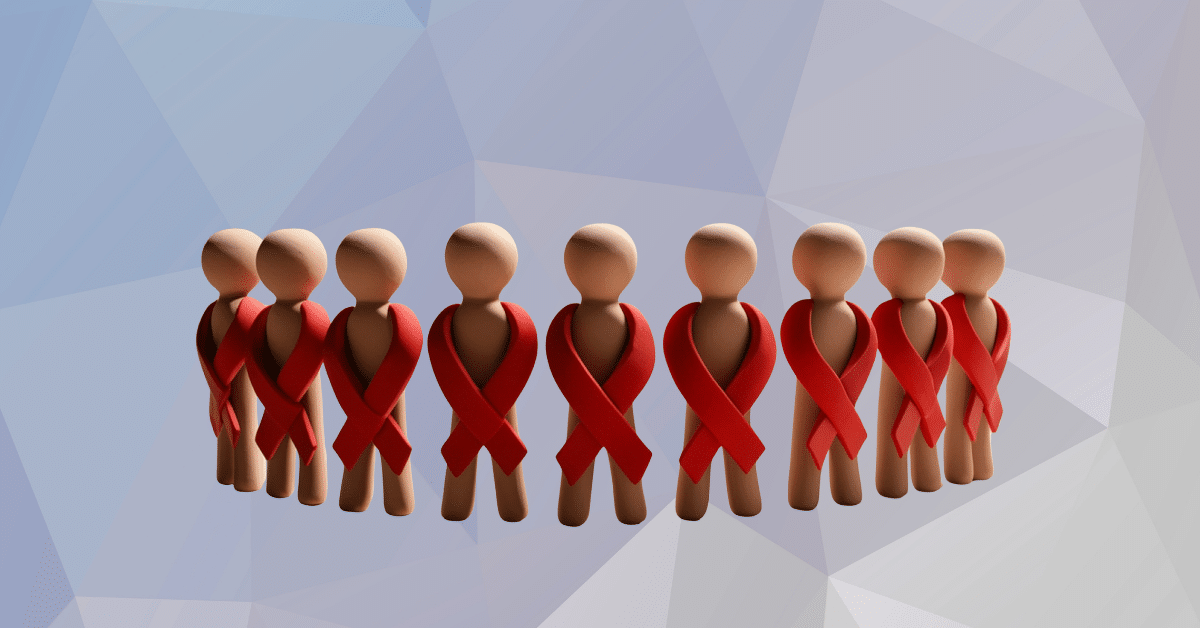
On my first week managing a busy operations team, I learned a lesson the hard way: the day felt “fine” right up until it didn’t. A pallet shifted, a near-miss turned into an injury scare, and suddenly everyone was asking, “How did we not see this coming?” The truth was simple. We were reacting to problems, not actively shaping the environment through effective workplace risk management.
A prevention-focused culture changes that posture. It turns safety from a poster on the wall into a daily habit, like checking mirrors before changing lanes. When people know what “good” looks like, speak up early, and trust that reporting leads to learning, risks get smaller long before they become incidents.
Prevention Focused Culture
A prevention focused culture is a workplace where risk is handled like routine maintenance, not emergency repair. People don’t wait for an accident to prove something is dangerous. They notice weak spots, raise a hand, and work the fix while the problem is still small.
This kind of culture is not “soft” or abstract. It shows up in the moments that make or break a shift: how supervisors respond to concerns, whether new hires feel safe asking questions, and whether deadlines are planned with real-world conditions in mind.
How Prevention Thinking Shows Up Day To Day
A culture is what people do when nobody is watching. Prevention shows up in the little decisions that quietly steer outcomes: slowing down when conditions change, pausing a task when a tool is wrong, or asking for help without fear of looking weak.
It also shows up in how leaders talk about work. When managers discuss risk with the same seriousness as quality and output, employees read the message clearly. “We do it right” includes “we do it safely,” every time.
Everyday Signals Of A Prevention Mindset
- Teams start pre-shift huddles with what changed since yesterday, not just today’s production targets.
- Near-misses get reported like valuable data, not like personal failures.
- Employees feel comfortable using stop-work authority for genuine hazards.
- Fixes focus on systems (tools, staffing, layout, timing), not blame.
- New hires get coaching that explains the “why,” not just the steps.
Why This Culture Improves Performance, Not Just Safety
Prevention isn’t a side project. When risk management is woven into operations, the workday runs smoother. Equipment lasts longer, quality defects drop, and teams spend less time improvising around broken processes.
There is also a trust dividend. When people believe leadership will act on hazards, engagement rises. Employees share more early warnings, which keeps small problems from turning into schedule-busting disruptions.
The Real Cost Of “We’ve Always Done It This Way”
Most workplace incidents are not freak events. They are the end of a chain: fatigue, unclear expectations, missing training, rushed pacing, poor housekeeping, a shortcut that became normal. “Normal” can be a dangerous word when the standard drifts over time.
A prevention approach breaks the chain earlier. It treats risk like a leak in a roof. You don’t wait for the ceiling to cave in to admit there’s a problem. You look for the first stain and deal with it while the repair is still simple.
Leadership Behaviors That Set The Tone
Culture follows the example that gets rewarded. If leaders only praise speed, people will cut corners to keep up. If leaders ask about risks, listen without punishment, and follow through, people learn that prevention is part of the job.
This starts with visible habits. Leaders who walk the floor and ask practical questions signal that safety is real, not performative. The goal is not to “catch” anyone. The goal is to remove friction points that force bad choices.
What Strong Leaders Do Consistently
- Ask: “What’s the hardest part of this task?” and “What could go wrong today?”
- Treat reports as intelligence, not complaints.
- Correct unsafe conditions fast, then share what changed and why.
- Model calm, steady decision-making when production pressure spikes.
- Coach privately, fix systems publicly.
Make Reporting Easy, Useful, And Safe
If reporting is complicated or punished, people will stay quiet. A prevention focused culture depends on quick feedback loops: report, review, act, communicate. That loop should feel as normal as logging a maintenance ticket.
Psychological safety matters here. Workers need to know that raising a concern won’t cost them hours, reputation, or future opportunities. When reports are met with sarcasm, skepticism, or silence, they dry up fast.
Build Systems That Remove Common Triggers
Many hazards repeat for predictable reasons: cluttered walkways, worn PPE, unclear labeling, missing guards, rushed changeovers, poor lighting, inconsistent staffing, or unrealistic quotas. Prevention means targeting those repeat triggers with consistent systems.
Think of operations like traffic flow. If a merge lane is too short, drivers don’t become “bad drivers,” the design creates conflict. Work systems are the same. Better design reduces risky behavior without needing constant policing.
System Fixes That Often Pay Off Quickly
- Standardize tool storage so people don’t improvise with the wrong equipment.
- Improve housekeeping routines with clear ownership by area.
- Use visual cues for safe zones, pedestrian routes, and staging locations.
- Add micro-break planning for physically demanding work.
- Align staffing and scheduling with the real time required to do tasks safely.
Training That Sticks Beyond Orientation
Training fails when it’s treated like a one-time event. Real learning needs practice, feedback, and reinforcement in the environment where the work happens. The best programs blend classroom clarity with on-the-job coaching.
A practical approach is to train to scenarios, not just rules. Walk through what to do when conditions change: weather shifts, a machine jams, a customer rush order hits, or a coworker calls out. Those are the moments when shortcuts appear.
Documentation That Protects People And The Business
A prevention focused culture is built on clear expectations and clean records. That includes documenting what training happened, what hazards were identified, what corrections were made, and when follow-ups occurred. When documentation is sloppy, teams lose track of patterns and repeat the same fixes.
This is also where harassment training recordkeeping becomes part of prevention. Psychological safety and physical safety are connected. If people feel targeted, ignored, or unsafe socially, they report less, collaborate less, and take fewer “risk-aware” actions. Solid records support accountability and help leaders spot gaps before they become legal or operational problems.
Address Impairment Risk With Clarity And Support
Substance-related risk is a sensitive topic, but avoidance creates confusion. A prevention focused culture handles it with clear policy, respectful communication, and fair processes that focus on safety and help, not humiliation.
Training can be a practical starting point for managers who need language, steps, and consistency. A Drug free workplace course can support supervisors in recognizing impairment indicators, documenting concerns correctly, and responding in a way that protects the team while respecting individual dignity.
Practical Ways To Involve Employees Without Slowing Work
Employee involvement is where prevention becomes real. The people closest to the work spot risks early because they feel them first: the awkward lift, the blind corner, the slippery spot, the missing part that forces improvisation.
Involvement does not have to mean long meetings. It can be built into quick routines that produce usable input and fast action. When workers see their suggestions become changes, participation grows naturally.
Simple, High-Impact Involvement Methods
- Rotate a weekly “risk scout” role during shifts to gather quick observations.
- Run 10-minute improvement huddles focused on one hazard theme.
- Use a one-page “what changed” checklist for changeovers and new jobs.
- Create a quick photo-based hazard submission option (QR code works well).
- Share a monthly “fixed because you said so” update to close the loop.
Measuring Culture With Leading Indicators
If you only measure injuries, you measure the past. A prevention focused culture watches leading indicators that reveal whether risk is shrinking now. These measures guide coaching, staffing, maintenance, and workflow planning before something goes wrong.
Pick a small set of indicators that teams can influence. Too many metrics become noise. A few meaningful signals create focus and healthy competition between departments in the best way.
Examples Of Useful Leading Indicators
- Near-miss reports per month, paired with corrective actions completed
- Time-to-fix for high-risk hazards
- Participation rates in safety huddles and walk-throughs
- Repeat hazards by location or task type
- Completion rates for refresher training tied to real incidents or changes
A 60-Day Rollout Plan That Feels Doable
Big culture goals can stall when they feel vague. A short, visible rollout builds momentum and proves the concept. The aim is steady progress, not perfection.
Start with one area or one shift if needed. Show results, share the story, then expand. Like strengthening a foundation, you pour a solid section, let it set, then build the next layer.
A Practical Sequence
- Weeks 1–2: Identify top repeat hazards, simplify reporting, run leader walk-throughs daily.
- Weeks 3–4: Fix the first batch fast, publish results, add targeted coaching on the highest-risk tasks.
- Weeks 5–6: Launch leading indicators, start quick involvement routines, refresh training where gaps show up.
- Weeks 7–8: Review patterns, tighten systems, recognize teams for prevention actions that avoided downtime.
Conclusion
A prevention focused culture is not built with slogans. It is built the way strong habits are built: repeated actions, clear expectations, and leadership follow-through that people can feel. When prevention becomes “how we work,” safety improves, operations run cleaner, and teams gain pride in doing the job the right way.
If you want to start today, pick one area where risk and frustration show up most often. Fix one system issue, communicate the change, and invite the next report. That single loop, repeated consistently, is how prevention becomes the culture.
FAQ
What Is A Prevention Focused Culture In Simple Terms?
A prevention focused culture is a workplace where people actively look for risks early and treat fixing them as a normal part of daily work. Instead of waiting for an injury, near-miss, quality failure, or shutdown to force change, employees speak up as soon as something feels unsafe, inefficient, or off-track. Leaders listen and respond before small issues turn into big disruptions. Over time, prevention becomes a shared habit rather than a special initiative. People plan work more carefully, make safer choices, and experience fewer surprises that interrupt productivity, morale, or safety.
How Do Leaders Build A Prevention Focused Culture Without Sounding “Corporate”?
Leaders build a prevention focused culture by being practical, visible, and consistent rather than relying on slogans or formal messaging. This means asking real questions during walkthroughs, responding calmly to concerns, and following through on fixes. Simple language matters: phrases like “What made this harder than it needed to be?” or “What would make this safer next time?” feel authentic and approachable. When employees see their input lead to actual changes—new tools, adjusted processes, or clearer expectations—trust grows naturally. Consistent actions speak louder than polished presentations.
How Long Does It Take To See Results From A Prevention Focused Culture?
Early results often appear within weeks, especially when teams focus on common hazards, repeat errors, or easy-to-fix issues. Employees notice smoother workflows, fewer interruptions, and quicker responses to concerns. More meaningful outcomes—such as reduced incidents, improved efficiency, and stronger engagement—usually develop over several months as new habits take hold. The most important factor is consistency. Simple reporting, fast follow-up, and regular communication about what changed and why help prevention become part of how work is done, not just a short-term push.
What If Employees Don’t Report Hazards In A Prevention Focused Culture?
When reporting is low, it often signals skepticism rather than apathy. Employees may believe nothing will change, or they may fear blame, embarrassment, or extra scrutiny. To strengthen a prevention focused culture, leaders must make reporting easy, safe, and worthwhile. That includes removing unnecessary steps, responding without blame, and closing the loop publicly by explaining what was fixed because someone spoke up. Recognizing the act of reporting—not just perfect outcomes—reinforces that prevention is valued. Over time, as people see results, participation increases and silence fades.
Can A Prevention Focused Culture Work In High-Pressure Environments Like Warehouses Or Manufacturing?
Yes, and it is often most effective in high-pressure environments where speed, volume, and complexity increase risk. A prevention focused culture reduces chaos by improving clarity around roles, traffic flow, housekeeping, equipment readiness, and staffing coverage. It also supports better planning for changeovers, overtime, and peak demand. When prevention is built into daily routines like shift huddles, safety walks, and quick check-ins, teams can move fast without cutting corners. The result is not only safer work, but steadier productivity and fewer costly disruptions.