
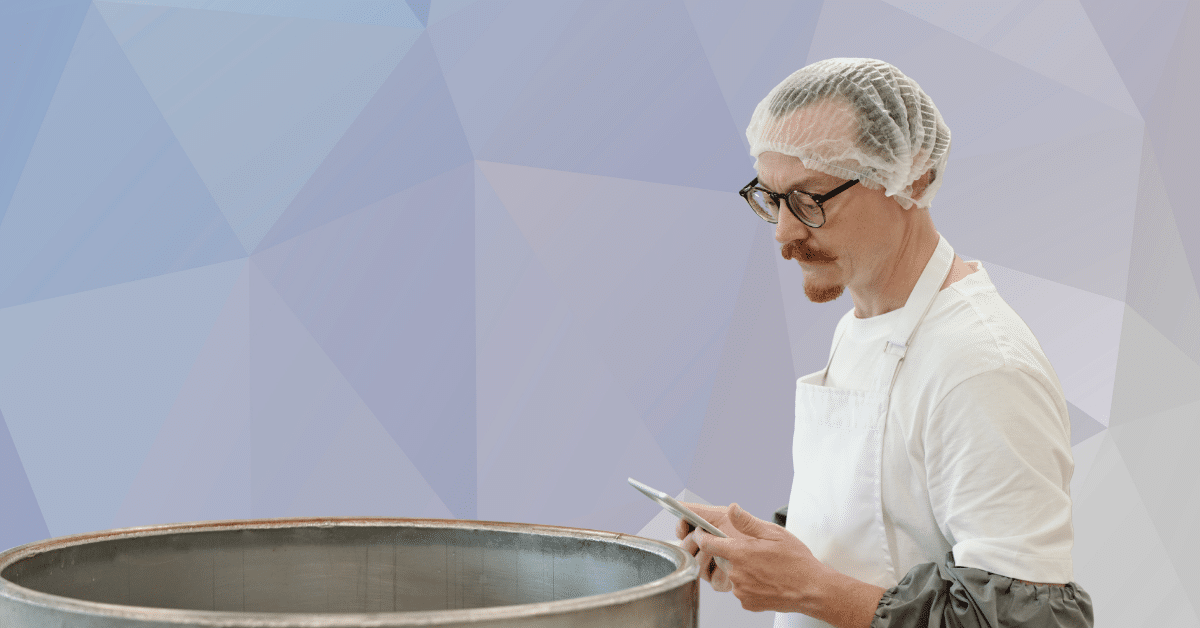
I still remember my first week on a line where the tickets came in like hail. A cook I respected grabbed my wrist the moment I reached for a “clean-looking” towel. He didn’t yell. He just nodded toward the sanitizer bucket and said, “That towel can either save us tonight or sink us.”
Later, when a guest called about getting sick, I understood what he meant. In food work, the smallest habits become the loudest outcomes.
Food Safety isn’t a binder on a shelf. It’s the quiet choreography behind every plate: hands moving at the right moments, raw and ready-to-eat kept worlds apart, temperatures checked even when you’re slammed, and a team that feels supported enough to stay home when they’re sick. When those pieces click, guests feel it, even if they never see it.
Why Foodborne Risks Still Happen On Busy Shifts
Even with solid systems, foodborne illness still happens in everyday operations. It’s rarely one dramatic mistake. It’s usually a chain of small shortcuts: a rushed glove change, a towel used too long, a pan that cools on the counter “just for a minute,” or a staff member working sick because they feel they have no choice.
The threats also aren’t always obvious. A cutting board that “looks clean” can still spread germs. A fridge that feels cold can still be running warm in the back corner. Food Safety failures often come from routine pressure, not bad intentions.
Building A Culture Of Food Safety On Every Shift
The strongest kitchens treat Food Safety like a shared language, not a surprise inspection drill. That starts with leaders modeling the basics in plain view: washing hands at the right times, checking temperatures without being asked, labeling food, and stopping the line when something feels off.
When managers do those things consistently, it gives everyone permission to do the same.
Culture also lives in what gets reinforced. If speed gets praised but safe habits get eye-rolls, the team learns the wrong lesson fast. If the crew gets quick coaching, the right tools, and a calm reset after mistakes, the habits stick. Think of Food Safety like a seatbelt: it only works when it’s automatic, even on short drives.
Clean Hands And Healthy Staff
Hands are the main “transport truck” in a kitchen. The gap between what people think they do and what actually happens mid-shift can be wide, especially when the pace is relentless.
The answer isn’t shaming people. It’s removing friction: keep sinks accessible, keep soap and paper towels stocked, and make handwashing a visible standard that applies to everyone.
Illness policies matter just as much as soap. When someone is vomiting, has diarrhea, has a fever with sore throat, or is actively coughing and sneezing into their hands, that person should not be handling food.
A healthy kitchen is one where staff can report symptoms without fear, and where managers have a plan that keeps the shift covered without pressuring someone to “push through.”
Preventing Cross-Contamination During Prep And Service
Cross-contamination is like glitter: once it’s on your hands, it shows up everywhere you touch. The fix isn’t complicated, but it has to be consistent: separate raw from ready-to-eat, separate allergen tools, and treat “clean” as a status you protect, not a label you assume.
High-risk moments worth calling out during pre-shift include:
- Switching from raw proteins to produce without washing hands and changing gloves
- Using the same towel on hands, boards, and plate rims
- Storing raw items above ready-to-eat food in the walk-in
- Reusing tongs across cooked and raw stations
- Touching phones, handles, or face, then returning to food
After the rush, build a quick reset into the routine. A two-minute wipe-down, fresh sanitizer cloths, and a board swap can stop a whole chain of contamination before it starts.
Temperature Control From Cook Line To Cooling Pans
Temperature control is where good intentions fall apart if the team doesn’t have a simple rhythm. Hot holding, cold holding, and cooling all need structure.
Your exact temperature standards should match local health rules and your operation’s written procedures, but the concept is the same everywhere: keep food out of the temperature range where bacteria multiply quickly.
Cooling is where many kitchens get burned. Big batches and deep containers hold heat longer than people realize. If food cools too slowly, bacteria can grow even if the food started out fully cooked. Cooling works best when you use shallow pans, create airflow, and break large batches into smaller portions.
A practical temperature routine that works in real kitchens:
- Keep thermometers at every station that needs them
- Check temps at receiving, during prep, at cook, and at hold
- Track cooling temps for large batches
- Use shallow pans, ice baths, and spacing in the cooler
- Reheat food correctly before hot holding again
Cleaning And Sanitizing That Guests Never See But Always Feel
Cleaning removes visible soil. Sanitizing reduces microbes on surfaces. Both matter, and mixing them up creates a false sense of safety. A surface can look spotless and still spread illness if sanitizer strength is off, contact time is ignored, or cloths sit in a weak solution for hours.
This is where restaurant hygiene becomes more than a checklist. It’s the background signal of professionalism: clean floors, clean prep areas, clean restrooms, clean hands, and tools that are returned to their “home” the same way every time.
Make it easier for staff by posting simple mixing directions, storing test strips where they’re used, and assigning zones so nobody assumes someone else handled it.
Allergen Awareness Without Panic Or Guessing
Allergen control works best when it’s calm, repeatable, and spoken out loud. The danger isn’t only “hidden ingredients.” It’s the casual cross-contact: shared fryers, reused utensils, crumbs on cutting boards, and sauces brushed from the same container.
Build habits that reduce guesswork:
- One person owns the allergen order from start to finish
- Fresh gloves, washed hands, and cleaned tools before starting
- Dedicated pans or foil barriers when possible
- Clear call-backs so the line protects the order
- Labels that match what servers tell guests
Also train staff on what they should never do: promise “allergen-free” if your kitchen can’t support that claim. Confidence comes from procedure, not from memory.
Training That Sticks, Even With Turnover And Language Gaps
A lot of training fails because it’s built for a classroom, not for a 7 p.m. rush. What works is short, repeated coaching tied to the tasks people perform: glove changes at the right moments, where the sanitizer test strips live, how to cool stock safely, what to do when a spill happens, and when to stop and wash hands, even if tickets are stacking.
For mixed-language teams, accessible training keeps standards consistent. Offering a food handler course Spanish option can reduce misunderstandings and help new hires build the same mental “map” of safe habits as everyone else, especially around labeling, temperatures, and hygiene routines. Pair any course with hands-on shadowing so the knowledge turns into muscle memory.
Daily Self-Check Before The Doors Open
A pre-shift check is like sharpening knives. It makes everything safer and smoother. Keep it short and repeat it daily so it becomes routine, not a lecture.
- Handwash sinks stocked (soap, paper towels, hot water)
- Sanitizer buckets mixed and ready for use
- Thermometers present and working
- Labels and date marks ready for prep
- Raw storage set below ready-to-eat in the walk-in
- Allergen procedure reviewed for the day
- Sick policy reminder stated clearly, with no shame attached
End the check with one question: “What’s the one thing that could trip us up tonight?” The answers you get are often the problems you prevent.
FAQ
What Does Food Safety Mean In A Restaurant Setting?
Food Safety is the set of daily behaviors that keep food from making people sick. In a restaurant, that includes correct handwashing, preventing cross-contamination, cooking foods thoroughly, holding hot and cold items correctly, cooling leftovers safely, and keeping sick workers away from food tasks.
It also includes consistent labeling, allergen controls, and cleaning and sanitizing routines that match your workplace procedures.
How Often Should Food Workers Wash Their Hands For Food Safety?
Wash hands anytime contamination could happen: after handling raw meat, poultry, or seafood; after touching dirty equipment; after taking out trash; after using the restroom; after touching your face, hair, phone, or apron; and before putting on fresh gloves.
A good rule is “wash, then glove,” not “glove instead of wash.” Frequent, correct handwashing is one of the strongest Food Safety habits any team can build.
Are Gloves Enough For Food Safety?
Gloves help, but they don’t replace handwashing. Gloves get contaminated the same way hands do, and they can spread germs just as fast if they aren’t changed at the right moments.
Food Safety improves when staff wash hands before gloving, change gloves when switching tasks, and avoid touching non-food surfaces with gloved hands. Gloves are a tool that supports safe work, not a shortcut around it.
What Are The Biggest Food Safety Mistakes During A Rush?
During a rush, the most common Food Safety mistakes are skipping handwashing, forgetting glove changes, using the same tools across raw and ready-to-eat foods, leaving cold foods out too long, and cooling hot food too slowly.
Another common issue is postponing labels, temperature checks, or sanitizing steps because “we’ll fix it later.” Small shortcuts stack quickly when the pace is high.
How Can Managers Improve Food Safety Without Slowing Service?
Make Food Safety easier than cutting corners. Keep handwashing stations stocked, place sanitizer tools where work happens, keep thermometers within reach, and simplify labeling so it takes seconds. Coach in short moments and praise safe habits as often as speed.
Also support sick policies so staff don’t feel forced to work ill. When the system is built well, safe work often becomes the fastest work.