
The first restaurant I worked in had a dishwasher who could predict the dinner rush just by the smell when he walked in. If the air carried that sharp, clean “just-sanitized” scent, we were in good shape. If it smelled like old fryer oil and wet rags, he would mutter, “Tonight’s going to be messy,” and he was usually right.
Years later, I still think about that lesson: hygiene is not a binder on a shelf. It’s a living rhythm you can feel in the kitchen, the dining room, and even the restrooms.
Restaurant hygiene matters because one weak link can spread fast. A single sick employee, a missed handwash, or a cutting board used in the wrong order can turn a normal shift into a customer complaint, a reputation hit, or worse.
The upside is just as real: when hygiene is built into daily routines, it protects guests, reduces waste, keeps teams confident, and makes inspections far less stressful.
Restaurant Hygiene
When people hear “restaurant hygiene,” they often imagine a list of rules posted near the mop sink. Real hygiene standards are bigger than that. They’re the small, repeatable actions that hold up on a packed Saturday, when the printer won’t stop, and everyone’s moving at full speed.
The best restaurants treat hygiene like mise en place. You set the space up so the clean choice is the easy choice. That means clear roles, stocked supplies, simple routines, and managers who notice details before guests do. When those pieces line up, hygiene stops feeling like extra work and starts feeling like how the restaurant runs.
Building A Culture That Makes Clean The Default
Standards stick when they feel normal, not scary. If the only time hygiene comes up is right before an inspection, the team learns one thing: clean up when someone’s watching. A stronger approach is to build habits into the shift so that clean becomes the background music of the day.
Start with leadership behavior. If a manager walks past a hand sink with no paper towels and says nothing, everyone learns that “good enough” is acceptable. If a shift lead calmly pauses the line to restock soap and towels, it signals that hygiene is part of service, not a side task. Over time, the team mirrors what gets attention.
Handwashing That Actually Happens During Rush Hour
Handwashing is simple and still easy to skip when the pace gets wild. The fix is not repeating “wash your hands” louder. The fix is removing friction so the right behavior fits real service.
Hands need soap, water, and enough time to do the job. If the sink is blocked, if the soap is empty, or if towels are missing, the system quietly teaches people to improvise. Treat hand sinks like fire extinguishers: always accessible, always stocked, never used as storage. A practical handwashing plan often includes:
- Hand sinks kept clear (no bus tubs, no towels, no prep tools)
- Soap, warm water, and paper towels are checked at open, mid-shift, and close
- A quick “reset” expectation after cash handling, bussing, or touching phones
- Glove stations placed near the tasks that need them, not across the kitchen
Once the setup supports the habit, coaching becomes simpler. You’re no longer asking people to “try harder.” You’re giving them a system that matches how a kitchen actually moves.
Personal Hygiene And Uniform Standards Guests Can See
Guests may never step into your kitchen, but they read hygiene through clues. A server with clean nails and a neat apron signals care. A cook with a hair restraint and a tidy station signals pride. A sticky menu, smudged glass, or restroom that smells off signals the opposite, even if your food is safe.
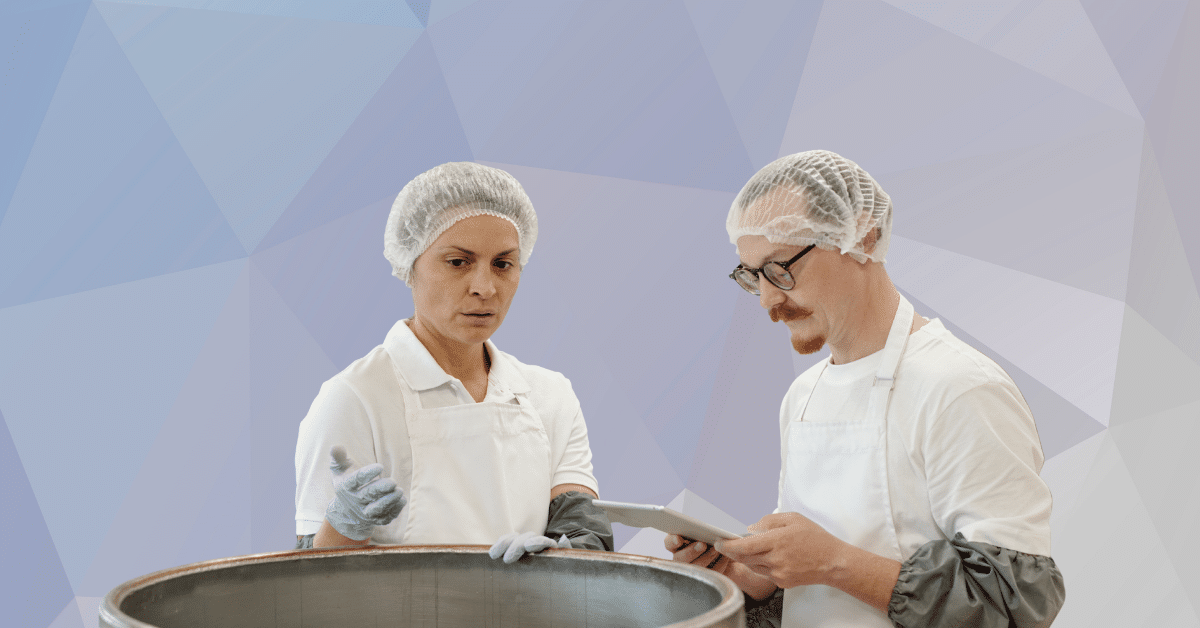
Set personal hygiene standards that are clear and easy to follow, then reinforce them with consistency. Many restaurants use a short pre-shift check that covers:
- Clean uniform or apron at the start of the shift
- Hair is restrained and facial hair is controlled when required
- No bare-hand contact with ready-to-eat foods
Cuts are covered and protected with appropriate barriers - Jewelry is limited to what your policy allows for safe work
Pair that checklist with real backup plans. Keep spare aprons, gloves, bandages, and hair restraints available. When someone forgets an item, the answer is not shame. The answer is, “Grab a spare and get back in,” so standards stay strong without creating a culture of hiding mistakes.
Smart Food Handling That Prevents Cross-Contamination
Cross-contamination in food handling is like glitter at a kid’s birthday party. Once it’s loose, it shows up everywhere—even places you swear it never touched. Kitchens need guardrails that keep raw proteins, ready-to-eat foods, allergens, and dirty equipment from crossing paths.
Strong practices start with separation and order. Store raw proteins below ready-to-eat foods. Use dedicated utensils and boards for raw and ready-to-eat tasks. Replace wiping cloths instead of “saving” them for later, and keep sanitizer setups consistent so stations don’t drift into chaos.
The most common traps usually look like convenience:
- Using the same gloves for raw chicken and then grabbing a bun
- Placing cooked items back on a raw-protein tray “just for a second”
- Cutting garnishes on a board that handled raw prep earlier
- Topping off sauce bottles without cleaning and dating
Train teams to recognize these moments as turning points. When the shift gets busy, your systems should guide people toward safe shortcuts, like grabbing a clean utensil instead of rinsing and reusing a dirty one.
Time And Temperature Control Without Guesswork
Temperature control is where good intentions fall apart if you don’t have tools and routines. A fridge that “seems cold” is not a plan. A burger that “looks done” is not a plan. Thermometers, logs, and clear cooling rules turn assumptions into proof.
Make checks part of the rhythm of the day. Assign them to roles and time blocks, and keep tools within reach. When hot holding, cold holding, cooling, and reheating are routine, fewer items drift into unsafe ranges unnoticed.
A common problem shows up after a busy prep session: a large pot of soup gets made, the rush hits, and the pot sits too long because everyone’s busy. The fix is planning cooling methods before the soup is finished. Shallow pans, smaller batches, and clear labeling give the kitchen a safe path even when the pace spikes.
Cleaning And Sanitizing Systems That Hold Up On Hard Nights
Cleaning removes grime. Sanitizing reduces germs to safer levels. Restaurants that blur that line often end up with surfaces that look fine but carry risk, or surfaces soaked in chemicals without a consistent process.
Build your sanitation system around clarity and repetition. Label bottles, post mixing directions, and train on contact time so sanitizer works the way it’s supposed to. Then support the system with a schedule people can follow without guessing. A balanced cleaning schedule might include:
- During service: wipe and sanitize high-touch areas, swap towels, keep floors dry
- End of shift: break down stations, clean and sanitize prep surfaces, wash smallwares
Weekly: deep-clean reach-ins, detail vents, scrub walls behind equipment - Monthly: pull equipment for behind-and-beneath cleaning, review pest prevention points
After you create the schedule, connect it to accountability that feels fair. Spot-check a few items each day, rotate what you check, and give fast feedback. The goal is steady consistency, not “perfect once a month.”
Facilities, Restrooms, And Front-Of-House Signals That Build Trust
Hygiene is not confined to the back of house. Guests judge cleanliness the way people judge a hotel room: quickly, emotionally, and with a long memory. A restroom with no soap or a dining room with sticky condiment bottles can undo a great meal in seconds.
Front-of-house hygiene works best with small, frequent touch-ups instead of one big clean. Create a guest-facing sweep routine that includes:
- Restroom checks on a schedule, with soap, towels, and trash verified
- Menus wiped or replaced when they feel grimy
- Tables, high chairs, and booster seats cleaned with care
- Door handles, payment terminals, and host stands wiped regularly
Then give staff the authority to act. If a server notices a restroom issue, they should know exactly who owns the fix and how fast it gets handled. Guests can forgive a busy night. They rarely forgive a dirty one.
Training, Documentation, And The Spanish-Language Gap
Training fails when it’s delivered once, too fast, and only in one format. Many teams include bilingual staff, and some employees learn best in their strongest language. Offering a food handler course Spanish option or Spanish-forward training materials can reduce misunderstandings and tighten daily habits, especially around handwashing moments, allergen steps, and illness reporting.
Documentation also helps standards survive turnover. Keep procedures short, visual, and tied to real tasks. A one-page station guide can beat a long manual that nobody reads.
Reinforce with quick refreshers: five-minute pre-shift reminders, a monthly micro-quiz, and coaching that happens in the moment when it can actually change behavior.
Self-Audits That Catch Problems Before They Grow
The best time to find a hygiene problem is when it’s still small, like a loose thread you can snip before it unravels. Self-audits create that early warning system, and they build confidence because the team knows you’re not relying on luck.
Run short audits that match how your restaurant operates. Keep them quick, rotate focus areas, and treat results like training data. A simple weekly audit might check:
- Hand sinks stocked and accessible
- Cold holding temperatures recorded and consistent
- Date labels clear and used correctly
- Sanitizer set up correctly at stations
- Restrooms stocked, clean, and odor-free
After the audit, close the loop. Fix the issue, explain the “why” in one sentence, and move on. That pattern turns hygiene into muscle memory instead of a panic cleanup.
FAQ
How Often Should A Restaurant Clean And Sanitize High-Touch Surfaces?
High-touch surfaces should be cleaned and sanitized repeatedly during service, not only at open and close. Think door handles, POS screens, menus, condiment bottles, and restroom touchpoints.
A practical method is assigning a repeating sweep (for example, every 30 to 60 minutes depending on traffic) and making it part of side work. Restaurant hygiene improves when these tasks are scheduled, owned, and checked.
What Are The Biggest Restaurant Hygiene Mistakes During Busy Shifts?
Most mistakes come from shortcuts that feel harmless: skipping handwashing after handling phones or cash, reusing gloves across tasks, using the same towel too long, or leaving foods out while the rush takes over.
Busy shifts expose weak systems. Restaurant hygiene holds up when stations are stocked, clean tools are easy to grab, and teams know the exact “reset” moments that happen after specific tasks.
Do Gloves Replace Handwashing In Restaurant Hygiene Programs?
Gloves do not replace handwashing. Gloves can spread contamination when they’re worn too long or used across tasks without changing.
Handwashing is still the foundation, and gloves work best as an added barrier for specific tasks. Restaurant hygiene improves when teams treat gloves like single-task tools and change them often, especially when switching between raw and ready-to-eat work.
How Can Restaurants Keep Hygiene Standards Consistent With New Hires?
Consistency starts with simple systems and short station guides that match real tasks. New hires need clear routines: when to wash hands, where tools live, how to label and store items, and who to ask when unsure.
Pair onboarding with quick check-ins during the first two weeks. Restaurant hygiene becomes steady when new employees learn habits before shortcuts become their default way of working.
What Should A Restaurant Do If An Employee Comes To Work Sick?
Have a clear illness policy and a culture where reporting symptoms is normal. Managers should know how to respond quickly, including reassigning duties and sending employees home when needed.
Restaurant hygiene is not only about surfaces and temperatures. It also includes preventing contamination risks tied to illness. A consistent policy, calmly enforced, protects guests, staff, and your reputation.