
I still remember the moment a seasoned prep cook slid a hotel pan onto the speed rack and said, “We’re fine, it’ll cool.” The pan held a thick batch of chili, still steaming like a foggy window. Two hours later, the surface felt lukewarm, the middle was still hot, and nobody could say exactly how long it sat in that risky middle ground. That’s the tricky part about temperature control: food can look calm on the outside while turning into a perfect incubator underneath.
When food temperatures drift, germs get time and comfort. Each year, millions of people get sick from foodborne illness, and temperature control remains one of the most practical ways workplaces can protect customers, coworkers, and a business’s reputation.
Why Temperature Control Is A Daily Food Safety Habit
Temperature control works like a stopwatch you can’t see. The moment a product enters the “danger zone,” the clock starts ticking. Bacteria multiply fastest when food sits in warm, cozy ranges instead of being held cold or kept hot.
That’s why the goal isn’t perfection, it’s consistency. The team needs repeatable routines: check, record, correct, and move on. When that rhythm becomes normal, you’re not relying on memory or luck. You’re building a kitchen that can handle food safely to prevent illness without slowing service or burning out staff.
Should Food Temperatures Be Controlled Safely
If you’re asking, “Should Food Temperatures Be Controlled Safely,” the real answer is: every time food changes hands, location, or form, it needs a temperature decision. Receiving, storage, thawing, prep, cooking, cooling, hot holding, cold holding, transport, and reheating all create openings for unsafe drift.
Think of temperature control like lane lines on a highway. When you stay between them, traffic moves smoothly. When you wander, you might not crash immediately, but the risk climbs fast, and it only takes one close call to create a mess that shuts the whole operation down.
Know The Temperature Danger Zone And The Time Rules
Most kitchen mistakes come from fuzzy boundaries. Staff may know “keep it cold” and “keep it hot,” yet still leave a tray out “just for a bit.” The danger zone is typically defined as 40°F to 140°F, where bacteria can multiply quickly. Perishable foods shouldn’t sit out more than 2 hours, and the window shortens to 1 hour when it’s very hot out or the kitchen is running warm.
Two simple habits help here: set a visible timer when food comes out, and keep a thermometer close enough that checking feels as easy as grabbing a spoon. When time and temperature are treated like a paired rule, teams stop guessing.
Quick Reference Targets For Cold, Hot, Cook, And Reheat
Health codes vary by location, but many workplaces align with widely used food safety targets:
- Cold holding: keep refrigerated foods at 41°F (5°C) or below
- Hot holding: keep hot foods at 135°F (57°C) or above
- Reheating for hot holding: bring foods back to 165°F (74°C) before holding hot
- Common minimum internal cook temps: poultry 165°F, ground meats 160°F, fish 145°F
A target without a method still invites mistakes. Decide where temperatures will be checked (top, middle, thickest part), who checks them, and what happens when a number comes up short.
Thermometers: The Small Tool That Saves Big Problems
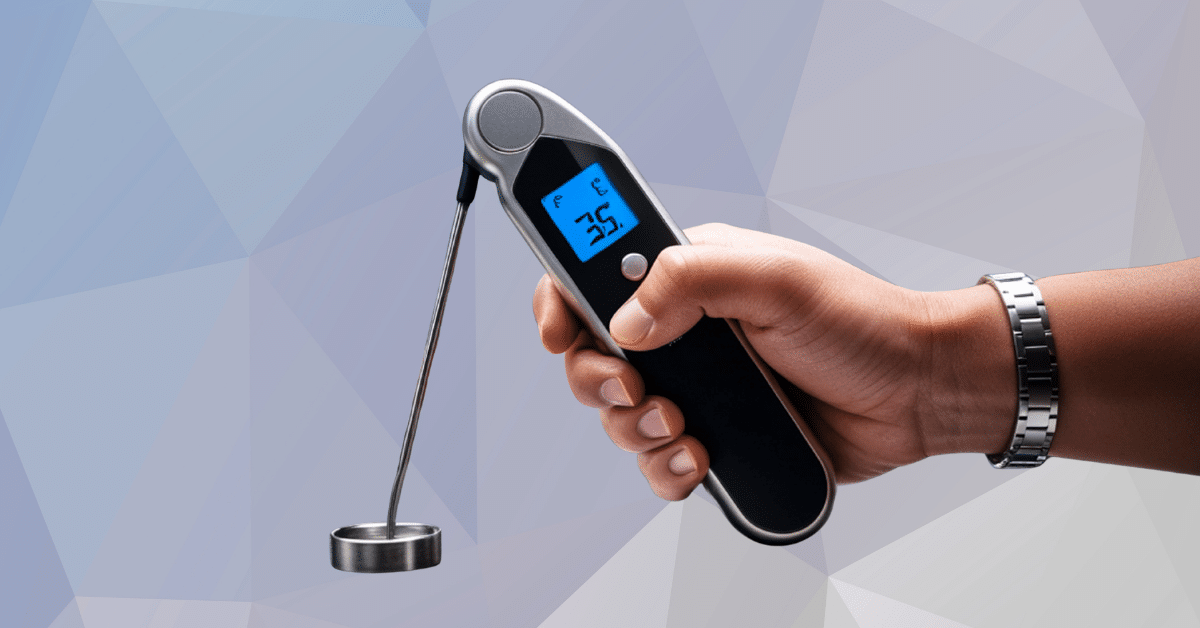
A thermometer is your truth-teller. Color, steam, and “feel” can fool even experienced cooks, especially with dense foods like casseroles, beans, rice, and sauces. Use a calibrated, quick-read probe thermometer, and build the habit of checking the thickest point.
Daily use becomes easier when the setup is simple. Keep sanitizing wipes or a small sanitizer cup near the line, store thermometers in a consistent spot, and train staff to avoid touching bone or the pan bottom when probing. If a reading looks off, take a second reading in a new spot, then act based on the colder number.
Receiving And Storage: Start Cold, Stay Cold
Safe temperature control starts at the door. If refrigerated products arrive warmer than expected, you’re already behind. Receiving checks should be fast, calm, and routine, not a once-in-a-while “inspection day” task. When staff know checks happen every time, suppliers learn the standard too.
Storage matters just as much. Overloading a cooler, blocking vents, or stuffing hot items next to cold products can raise temperatures across the whole unit. Keep raw animal foods below ready-to-eat items, label and date everything, and avoid leaving cooler doors propped open during rush periods. Those small choices keep cold food cold without extra labor.
Thawing And Prep: Where Drift Sneaks In
Thawing is one of the easiest places to lose control, because it feels passive. Thawing at room temperature can pull the surface into the danger zone while the center stays frozen. A safer pattern is refrigerator thawing, or using approved fast-thaw methods paired with immediate cooking.
During prep, the biggest culprit is time on the counter. Create a plan that breaks prep into smaller batches, so only what’s actively being used sits out. When the work area looks like a tidy assembly line instead of a buffet of uncovered pans, temperatures stay steadier and cross-contact risks drop too.
Cooking And Reheating: Hit The Number, Then Verify It
Cooking is where you get your kill step, but only if you actually reach safe internal temperatures. For mixed dishes, check the thickest, slowest-heating area.
Reheating is not “warming up.” If you’re reheating food to hold it hot, bring it back to 165°F before it returns to the steam table or hot box. If it doesn’t reach temp quickly, divide into smaller pans, stir more often, or use equipment designed to reheat, not just hold.
Cooling Cooked Food Without Taking Risks
Cooling is where many otherwise-solid kitchens slip. Big batches cool slowly, and slow cooling gives bacteria time to grow. A widely used two-stage cooling rule is: cool from 135°F to 70°F within 2 hours, then from 70°F to 41°F within 4 more hours (6 total).
Practical cooling methods that work in real kitchens include:
- Use shallow pans and leave space around them in the cooler for airflow
- Split large batches into smaller containers before chilling
- Stir with an ice paddle (cleaned and sanitized) for soups and sauces
- Chill in an ice bath, stirring to move heat from the center outward
- Vent or loosely cover until food drops, then cover tightly to prevent contamination
Cooling is a process, not a parking spot. Staff should know the checkpoints (2-hour temp, 6-hour temp) and what corrective action looks like if food misses a checkpoint.
Hot Holding, Cold Holding, And Service Line Reality
Holding equipment is built to maintain temperature, not to fix it. Steam tables, warmers, heat lamps, and cold wells can drift when pans are shallow, lids are off, or units are overloaded. The most reliable approach is to check holding temps on a schedule and rotate pans before they become a problem.
Set the team up for success with simple guardrails: preheat hot holding units, pre-chill cold wells, keep lids on when possible, and avoid topping off old product with new. If the line is a river, new food should flow in as a fresh pan, not as a trickle into yesterday’s water.
Training And Language Access That Sticks
Temperature control lives or dies by training. Staff need the “why,” the “what number,” and the “what do I do if it’s off,” all in language that lands. For multilingual teams, pairing hands-on demos with short, visual SOPs can reduce mistakes and cut retraining time.
If your operation serves Spanish-speaking workers, access to food handler certification in spanish can help reinforce core habits, build shared vocabulary, and support consistent temperature checks across shifts. Training works best when it connects directly to the tools people use daily: logs, thermometers, labels, and the layout of your kitchen.
Monitoring, Logs, And Corrective Actions Without Drama
Logs shouldn’t feel like paperwork punishment. They’re a quick story of what happened, and they protect the business when questions come up. Use logs that fit your workflow: fewer fields, clear time blocks, and a place to write what you did when food fell out of range.
A simple corrective action playbook keeps teams calm:
- If cold food rises above the limit: move to rapid chilling, reduce pan depth, check cooler function, and recheck temp
- If hot food drops below the limit: reheat to the proper temperature, then return to hot holding
- If time in the danger zone is unknown: discard the product instead of guessing
- If equipment is failing: tag it, report it, and switch to a safe backup plan
When people know what “good” looks like and what the next step is, they stop freezing up and start responding like pros.
Final Takeaway And A Practical Next Step
Safe temperature control isn’t a fancy system. It’s a steady set of habits that turns risk into routine. When your team checks temps at the right moments, hits the right numbers, and records what happened, you’re protecting guests and the people working the line, while also guarding the business from preventable losses.
Pick one upgrade you can start today: add a two-check cooling log, move thermometers to a more convenient spot, or set a holding-temp timer that pings every two hours. Small moves, repeated daily, create a workplace where food safety feels normal.
FAQ
How Should Food Temperatures Be Controlled Safely During A Busy Shift?
Build a simple rhythm: check at opening, check every two hours during service, and check anytime you refill pans or notice equipment changes. Keep the thermometer close, record results quickly, and correct issues right away. When temperature checks are built into the shift flow, staff stop guessing, products stay within safe ranges, and service stays smooth.
What Temperatures Should We Use For Hot Holding And Cold Holding?
Many kitchens use these holding targets: keep cold foods at 41°F (5°C) or below, and keep hot foods at 135°F (57°C) or above. The key isn’t memorizing numbers alone, it’s pairing them with habits: lids on when possible, shallow pans for faster cooling, and checking the thickest part of the food, not just the surface.
How Should Food Temperatures Be Controlled Safely When Cooling Large Batches?
Split large batches into shallow pans and avoid deep containers that trap heat in the center. Leave space around pans in the cooler for airflow, and stir soups or sauces to release heat faster. Use checkpoint temperatures, like dropping from hot to 70°F within 2 hours and then to 41°F within 4 more hours, so cooling stays predictable.
What Should We Do If Food Falls Into The Danger Zone?
If you know it has been in the danger zone for a short, documented time, you may be able to correct it by reheating or rapid chilling, depending on the food and your local rules. If the time is unknown, discard the product instead of guessing. The safest kitchens act on facts, not hope, because uncertainty creates the biggest risk.
How Can A Workplace Keep Temperature Control Consistent Across All Staff?
Standardize the process: the same thermometer type, the same probe points, the same log format, and the same corrective actions across shifts. Train with quick demos and real examples, not just reading. When staff know exactly what to check and what to do if it’s out of range, “Should Food Temperatures Be Controlled Safely” becomes a shared habit, not a personal preference.