

The first time someone told me I needed OSHA-10, I thought it was just another thing on a checklist. Something you sit through, pass, and forget. But after talking to people who had been on job sites longer than I had, I realized it was more like learning how to read a room, except the room has ladders, wiring, heavy equipment, and a lot of ways things can go wrong.
One guy explained it in a way that stuck. He said, “You don’t notice what’s dangerous until someone points it out. After that, you can’t unsee it.” That is really what OSHA-10 does. It changes what you notice.
If you are here trying to figure out how to get OSHA-10 certified, you are not alone. Some people need it for a new job. Some are being asked to get it before stepping onto a site. Others just want to stop guessing when it comes to safety. Whatever the reason, the process is actually pretty straightforward once you break it down.
Why OSHA-10 Still Shows Up Everywhere
There is a reason OSHA-10 keeps coming up in job requirements. It is not because companies enjoy adding extra steps. It is because basic safety awareness makes a difference in how people work day to day.
A lot of workplace accidents are not caused by something dramatic. They come from small oversights. A ladder is placed slightly wrong. A tool used without thinking. A shortcut is taken because someone is in a rush. These are the kinds of things OSHA-10 tries to get ahead of.
Once you go through the training, you start to notice those small things more clearly. You catch yourself pausing before doing something quickly. You double-check things you used to ignore. It is not about being paranoid. It is about being aware.
That awareness is what employers are really looking for. Not perfection. Just someone who is paying attention.
How to Get OSHA-10 Certified
If you are trying to understand how to get OSHA-10 certified, the good news is that there is no complicated process behind it. You are not applying for anything special or waiting on approval. You just choose a course, complete it, and get your certification.
The first step is choosing the right type of course. OSHA-10 is usually offered in two main versions. One is for construction, which focuses on job sites, scaffolding, fall risks, and similar hazards. The other is for general industry, which applies more to warehouses, factories, and maintenance work. Picking the right one matters more than people expect, especially if your employer has a preference.
After that, you decide how you want to take it. Some people prefer online because they can work through it at their own pace. Others would rather sit in a room, listen to an instructor, and get it done in one or two days. There is no wrong answer here. It depends on how you learn and how your schedule looks.
Here is the process in simple terms:
- Pick construction or general industry
- Choose an authorized training provider
- Complete the 10 hours of course material
- Pass the quizzes along the way
- Receive your OSHA completion card
That is really it. No hidden steps, no complicated system behind the scenes.
Online Or In Person: What Actually Feels Better
This is where things get more personal. Some people do great with online courses. They like being able to pause, step away, come back later, and move at their own pace. If you are someone who prefers working independently, online OSHA-10 can feel pretty natural.
But not everyone likes that setup. Some people open an online course and immediately feel distracted. Notifications pop up, something else grabs their attention, and suddenly the course drags on longer than it should. If that sounds familiar, in-person training might be a better fit.
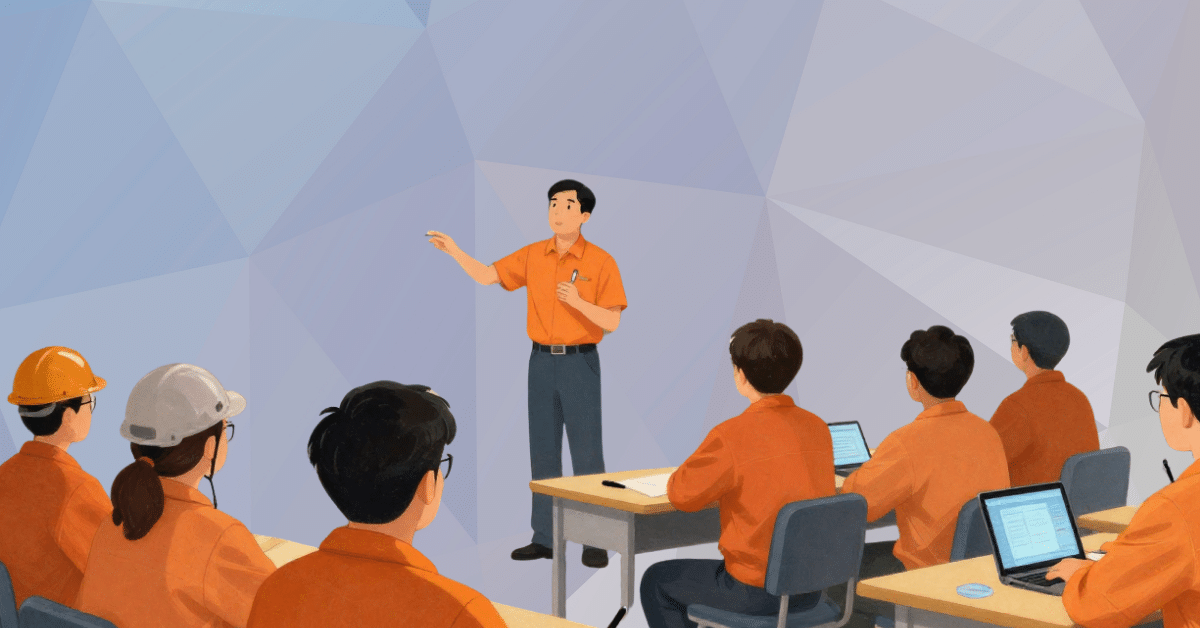
In a classroom, you are there to do one thing. You listen, ask questions, and stay focused because the structure is already set. You also get to hear real stories from instructors, which can make the material feel more real.
A simple way to think about it:
- Online gives you flexibility
- In-person gives you structure
Whichever one helps you actually finish the course and remember what you learned is the better option.
What You Learn And Why It Sticks
The material in OSHA-10 is not overly technical, but it is practical. It focuses on things you are likely to run into, not abstract ideas you will forget a week later.
You will come across topics like fall protection, protective equipment, electrical awareness, and general hazard recognition. These are not random topics. They are the kinds of risks that show up again and again across different jobs.
You will usually see content like:
- How falls happen and how to reduce the risk
- When and how to use protective gear
- Basic electrical safety awareness
- Worker rights and responsibilities
- Recognizing unsafe conditions early
The reason this sticks with people is that it connects to real situations. You might think back to a time when something felt off at work, but you could not explain why. After the course, those situations start to make more sense.
It is less about memorizing rules and more about sharpening your instincts.
The difference between OSHA-10 and OSHA-30
This is one of the most common questions people ask, and it is easy to see why. The difference between OSHA-10 and OSHA-30 can be confusing at first glance, especially if you are new to workplace safety training.
The easiest way to understand it is by thinking about roles. OSHA-10 is usually for workers who are doing the job. OSHA-30 is for people who manage jobs or oversee safety.
OSHA-10 covers the basics. It helps you understand hazards, rights, and safe practices. OSHA-30 goes deeper and includes more detail about safety planning, responsibilities, and oversight.
Here is a quick comparison:
- OSHA-10 is shorter and more introductory
- OSHA-30 is longer and more detailed
- OSHA-10 fits entry-level roles
- OSHA-30 fits leadership or supervisory roles
You do not need to overthink this. If you are just starting out, OSHA-10 is usually the right place to begin.
Who Actually Needs OSHA-10
A lot of people assume OSHA-10 is only for construction workers, but it shows up in more places than that. Yes, construction is a big one, but it is also common in warehouses, manufacturing, maintenance, and other hands-on environments.
If your job involves physical work, equipment, or any kind of safety risk, there is a good chance OSHA-10 could be relevant. Even if it is not required, it can still be useful.
It also helps if you are trying to get hired. When two candidates have similar experience, having OSHA-10 can give one of them a slight edge. It shows they took an extra step instead of waiting to be told.
Sometimes that small difference matters more than people expect.
How Long Does Certification Take
One of the better parts about OSHA-10 is that it does not take months to complete. It is a relatively short course compared to other certifications.
If you take it online, you might spread it out over a few days. If you take it in person, you might finish it in one or two sessions. The pace is manageable for most people.
What tends to slow people down is not the difficulty. It is starting and stopping too often. You begin, get distracted, and then push it off until later. Then later turns into next week.
Once you get into a rhythm, it usually moves pretty smoothly.
After finishing, your OSHA card is mailed to you. Some providers also give temporary proof right away if you need it for work.
Mistakes That Make It Harder Than It Needs To Be
Most people do not struggle with the course itself. They run into issues because of small decisions that create unnecessary friction.
One common mistake is picking the wrong course. It sounds simple, but it happens more often than you would think. Someone signs up for construction when they need general industry, or the other way around.
Another issue is choosing a provider without checking if they are authorized. That can lead to a situation where you finish the course, but the certification is not accepted where you need it.
There is also the habit of rushing through everything just to get it done. That usually backfires. The quizzes become harder, the material feels confusing, and the whole experience becomes more frustrating than it needs to be.
A few things to avoid:
- Picking the wrong course type
- Using a provider that is not recognized
- Skimming instead of actually reading
- Ignoring quiz feedback
- Letting the course drag on too long
Keeping things simple and steady usually works better than trying to rush.
How OSHA-10 Training Shows Up After You Finish
The certification itself is useful, but what really matters is what changes after you complete OSHA-10 training. You start to notice things differently.
You might walk into a workspace and immediately spot something that feels off. A missing guardrail. A cluttered path. A tool is being used the wrong way. Before the training, you might have ignored it. After the training, it stands out.
That awareness builds over time. It also affects how other people see you. Supervisors tend to trust workers who pay attention and take safety seriously. It shows in small ways, like asking the right questions or speaking up when something does not look right.
At the end of the day, this is not just about a card. It is about building habits that stick with you.
Simple Tips That Actually Help
You do not need a complicated strategy to get through OSHA-10, but a few small habits can make it easier.
Try setting aside short blocks of time instead of waiting until you feel like doing it. That feeling rarely shows up on its own. Once you start, it is easier to keep going.
Taking notes can also help, even if it is just a few points here and there. It gives your brain something to hold onto instead of letting everything blur together.
It also helps to connect what you are learning to real situations. Think about past jobs, things you have seen, or moments that did not feel quite right. That connection makes the material easier to remember.
A few practical tips:
- Study in short, consistent sessions
- Write down key ideas as you go
- Take your time with quizzes
- Connect lessons to real experiences
- Finish while you still have momentum
Simple usually works better than complicated.
Closing Thoughts
If you have been putting this off, that is pretty normal. A lot of people wait until they absolutely need OSHA-10 before they take action. But the value shows up before that point, not after.
Learning how to get OSHA-10 certified is really just taking one step toward being more prepared. It is not a big dramatic move. It is a steady, practical one.
And sometimes those are the steps that make the biggest difference over time.
FAQ
How do I start if I want to learn how to get OSHA-10 certified?
Start by choosing the correct course type based on your work, either construction or general industry. Then find an authorized provider and decide if you want to take the course online or in person. Once you complete the required training hours and pass the quizzes, you will receive your certification. The process is simpler than most people expect once you begin.
Can I finish everything online when learning how to get OSHA-10 certified?
Yes, many people complete OSHA-10 fully online. This option allows you to work at your own pace, which is helpful if you have a busy schedule. The key is choosing a legitimate provider so your certification is recognized. Online training works well as long as you stay consistent and avoid putting it off.
How long does it take to complete OSHA-10 certification?
The course itself is ten hours, but how long it takes depends on how you spread it out. Some people finish in a couple of days, while others take a week. In-person classes are usually completed faster because they follow a set schedule. After finishing, your official OSHA card is mailed to you.
Is OSHA-10 required for all jobs?
No, OSHA-10 is not required for every job, but it is common in industries like construction, manufacturing, and warehousing. Some employers require it before you start, while others prefer it but do not make it mandatory. Even when it is optional, having it can make you look more prepared and serious about safety.
What mistakes should I avoid when figuring out how to get OSHA-10 certified?
Common mistakes include choosing the wrong course type, using an unauthorized provider, and rushing through the material. It also helps not to leave the course unfinished for too long after starting. Taking your time and staying consistent usually leads to a smoother experience and better understanding of the material.