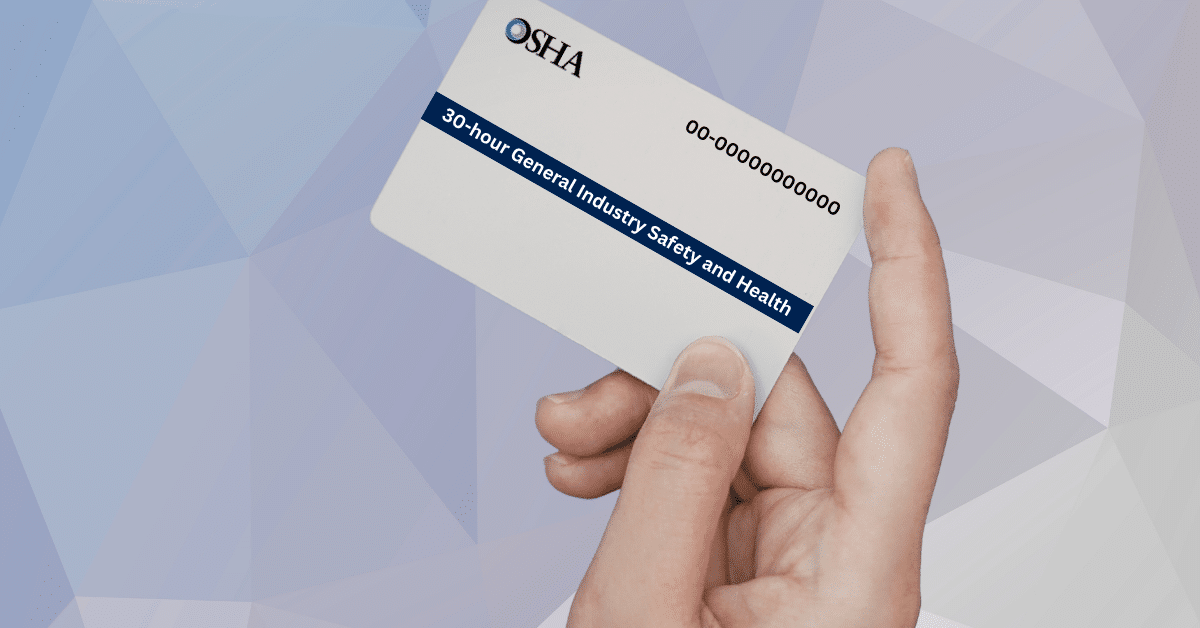


I had a conversation once with a guy who had been on jobsites for years. Solid worker. Knew his trade. Showed up early, stayed late. But he kept getting passed over when a lead position opened up. One day he said, “I’m already doing the work. What am I missing?”
A few months later, he took OSHA-30.
Nothing about his skillset changed overnight, but the way people looked at him did. He started getting pulled into conversations, asked for input, and was trusted with more responsibility. That stuck with me.
So when people ask if OSHA-30 is worth taking, they are really asking if it makes a difference where it counts. Not just on paper, but on the job.
Is OSHA-30 Worth Taking
The OSHA 30-hour training is not just about learning safety rules. It changes how you look at the work around you.
Before the course, most people are focused on their own tasks. Get it done, move on. After OSHA-30, you start noticing everything else happening at the same time. Who is working above you, what is happening behind you, and what might go wrong if something shifts?
That kind of awareness matters more than people think.
Over time, it shows up in small ways:
- You catch issues earlier
- You speak up when something feels off
- You think a step ahead instead of reacting
- You understand how your work affects others
It is not flashy, but it builds trust. And trust is what leads to more responsibility.
What Actually Changes After You Take OSHA-30
The biggest change is not what you know. It is how you think.
You start walking onto a site and scanning it differently. You notice things that used to blend in. A blocked exit. A loose cord. Someone rushing through a step they should not skip.
That is where workplace safety becomes real. Not something you read about, but something you see happening in front of you.
People who take OSHA-30 often say the same thing. It slows you down in the right way. Not in a way that holds up work, but in a way that helps you avoid problems before they start.
Why Employers Pay Attention To OSHA-30
From an employer’s point of view, OSHA-30 is not just another certificate. It is a signal.
It tells them that you understand more than just your own job. It shows that you are thinking about the bigger picture. That matters when they are deciding who to trust with more responsibility.
Most companies are not just looking for someone who can do the work. They are looking for someone who can help keep things running smoothly.
OSHA-30 helps show that you can:
- Think beyond your own role
- Recognize risks across a jobsite
- Communicate clearly with a team
- Take safety seriously without being told
That combination is what often leads to growth.
OSHA-10 Vs OSHA-30 In Real Terms
If you have already taken OSHA 10-hour training, you have a solid starting point. It teaches you what hazards exist and how to stay aware.
OSHA-30 builds on that, but it feels different.
It moves from awareness to responsibility.
You start asking different questions. Not just “Is this safe for me?” but “Is this safe for everyone here?” That shift is what separates the two.
It is also why OSHA-30 tends to carry more weight, especially for roles that involve oversight or leadership.
What You Actually Learn In OSHA-30
The OSHA-30 training course covers a wide range of topics, but what makes it useful is how those topics connect.
You are not just learning isolated rules. You are seeing how one issue can lead to another.
For example, something as simple as slips, trips & falls can connect to housekeeping, communication, and time pressure. It is rarely just one thing.
The course also covers areas like:
- electrical safety and how to avoid hidden risks
- Lockout/Tagout (LOTO) for controlling equipment during maintenance
- PPE (personal protective equipment) and using it correctly
- HazCom (hazard communication) for handling chemicals
- forklift training awareness for working around machinery
Once you start seeing how these overlap, the jobsite starts to make more sense.
Is OSHA-30 Hard To Get Through
A lot of people ask about how difficult OSHA-30 training is, usually before they sign up.
It is not as hard as people expect. There is no trick to it. It just takes time and attention.
The material itself is straightforward. The challenge is staying focused through the full course.
Most people find that:
- It feels long if you try to rush it
- It makes more sense if you break it into smaller sessions
- It clicks better if you relate it to real work
- It becomes easier if you already have jobsite experience
It is less about difficulty and more about patience.
How OSHA Compliance Fits Into Your Role
As you move forward in your career, OSHA compliance starts to show up more often in your day-to-day work.
It is no longer just about following rules. It becomes part of how you plan and manage tasks.
That is where OSHA compliance training helps. It gives you a better understanding of how safety fits into inspections, reporting, and daily operations.
You start to see how small details matter. Not just for avoiding penalties, but for keeping everything running smoothly.
Training That Builds On OSHA-30
OSHA-30 is not the end of learning. It usually leads to more focused training depending on your role.
You may see workers move into:
- Fire safety training for emergency response
- First aid training for handling injuries
- Bloodborne pathogens training for exposure risks
These build on what OSHA-30 introduces.
Over time, it all connects. Safety stops feeling like separate lessons and starts feeling like part of the job itself.
When OSHA-30 Might Not Feel Necessary Yet
There are situations where OSHA-30 may not feel urgent.
If you are just starting out, OSHA-10 may be enough for now. You are still learning the basics, and that is where your focus should be.
Also, if your current role does not involve oversight or decision-making, the need for OSHA-30 may not be immediate.
But for many workers, it becomes relevant sooner than expected. Especially when new opportunities come up.
How To Get Real Value From OSHA-30
The course can be useful or forgettable depending on how you approach it.
If you treat it like something to get through quickly, you will finish it. But it may not stick.
If you take your time and connect it to your work, it becomes something you actually use.
A few simple ways to get more out of it:
- Think about real situations while going through the material
- Pay attention to sections that relate to your job
- Take breaks instead of rushing through
- Reflect on things you have seen on the site
That is what turns it into something practical.
Conclusion
So, is OSHA-30 worth taking?
For a lot of people, the answer shows up after they finish it. Not in a big moment, but in small changes. How they think, how they react, how they handle situations.
It builds awareness. It builds confidence. And over time, it builds trust.
That is usually what leads to growth.
FAQ
Is OSHA-30 Worth Taking If You Already Have OSHA-10?
If you are wondering whether OSHA-30 is still worth it after completing OSHA-10, the answer usually comes down to where you want to go next. OSHA-10 gives you the basics, but OSHA-30 builds on that with more responsibility and awareness. Many workers find that it helps them think beyond their own tasks and prepares them for roles where others depend on their decisions.
Is OSHA-30 Worth Taking For Career Growth Opportunities?
If your goal is to move into a lead or supervisory role, then OSHA-30 can make a difference. Employers often look for people who understand safety at a broader level. Having OSHA-30 shows that you are ready to take on more responsibility and can help manage risks across a team, not just for yourself.
Is OSHA-30 Worth Taking Even If Your Job Does Not Require It?
Even if your current job does not ask for OSHA-30, taking it can still be a smart move. It helps you stay prepared for future opportunities and builds a stronger understanding of how jobsites operate. Many workers take it ahead of time so they are ready when new roles or projects come up.
Is OSHA-30 Worth Taking Compared To Other Safety Certifications?
When comparing OSHA-30 to other certifications, it stands out because it is widely recognized and understood across industries. It provides a strong foundation in safety and responsibility. While other certifications may focus on specific areas, OSHA-30 gives you a broader perspective that applies to many types of work.
Is OSHA-30 Worth Taking If You Are New To The Industry?
If you are new and trying to decide whether OSHA-30 is worth taking early, it can still be helpful depending on your goals. While OSHA-10 is a common starting point, OSHA-30 gives you a wider view of how safety works on a jobsite. That can help you stand out as you gain experience and take on more responsibility.