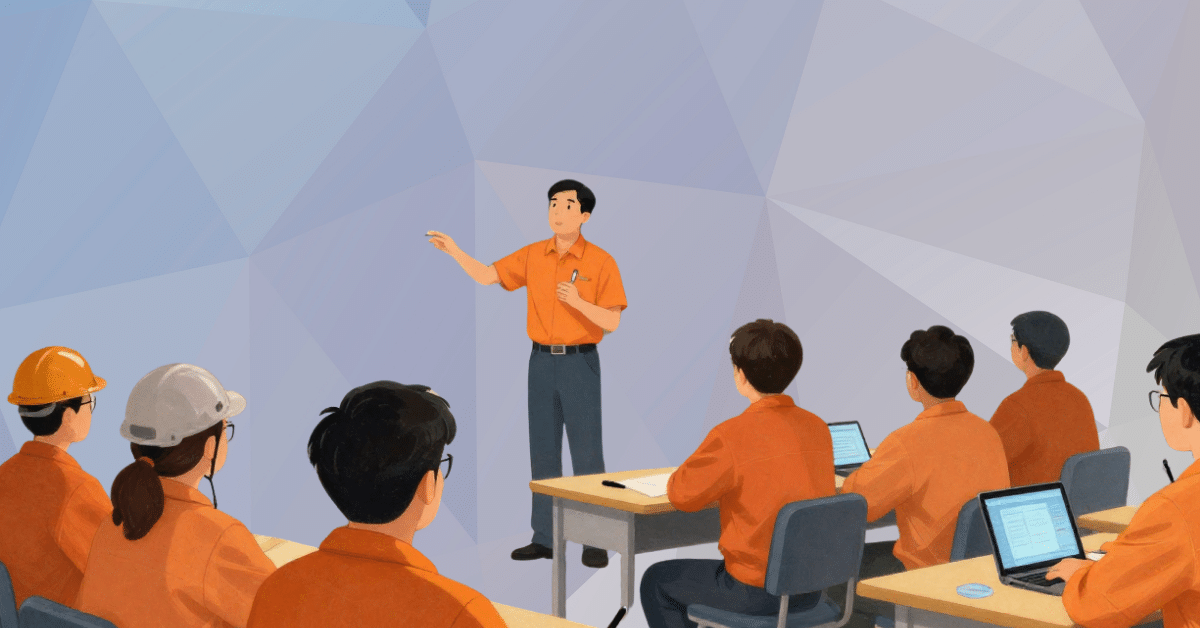
A lot of people sign up for OSHA training with the same attitude. They think it is just one more thing to finish before getting back to work. Sit through the course, answer the questions, get the card, move on. That is how it looks from the outside.
Then real work happens. A rushed morning. A cluttered walkway. A ladder that seems stable until it is not. That is usually when the training starts to matter. Safety lessons do not always feel dramatic in the moment, but later, on an ordinary Tuesday, when someone catches a hazard before it causes harm, that is when the value becomes real.
I have seen people roll their eyes at safety courses and then repeat those same lessons to a new coworker a month later. That is the thing about good training. It settles in quietly. You may not notice it right away, but it starts shaping how you move, what you notice, and what you refuse to ignore.
This article explains what OSHA-10 and 30 certification really means, how the exams work, and how to prepare without making the process harder than it needs to be. If you want something practical, readable, and grounded in how people actually learn, this is for you.
OSHA-10 and 30 Certification Explained
When people say OSHA-10 and 30 certification, they are usually talking about OSHA Outreach Training courses that teach workplace safety basics and broader safety responsibilities. OSHA-10 is generally meant for entry-level workers. OSHA-30 is aimed more at supervisors, team leads, and people who carry more responsibility on the job.
The difference is not just the number of hours. OSHA-10 gives workers a starting point. It helps them recognize common hazards, understand basic safety expectations, and build awareness that carries into daily work.
OSHA-30 adds more depth. It is meant for people who need to think beyond their own tasks and pay attention to the bigger safety picture around a crew, a site, or an operation.
For many workers, these courses also matter because employers ask for them. Some job postings list them right away. In other cases, a worker may not need one to get hired but will need it to stay competitive or move up. Either way, these certifications often become part of the path forward.
Why OSHA Training Matters On Real Job Sites
Workplaces can get noisy, rushed, and familiar in a way that makes people stop noticing risk. That is one reason training matters. It interrupts autopilot. It reminds people that “normal” is not always safe and that habits deserve a closer look.
Most accidents do not begin as disasters. They begin as small things that were brushed off. A missing guard. A shortcut that saved two minutes. A tool was used the wrong way because nobody wanted to stop and ask. Training helps workers catch those moments earlier, before they gather weight and turn into something worse.
It also gives teams a shared standard. When workers and supervisors learn similar safety language, conversations get clearer. People can point out risks without fumbling for words. That alone can change the tone of a workplace.
What OSHA-10 Is Really Trying To Do
Some people hear “OSHA-10” and think the goal is simply to pass a short safety course. That is part of it, but not the full story. The program is really about awareness. It teaches people how to spot risk before it becomes an incident report.
If someone asks what is the purpose of the OSHA-10 program is, the most honest answer is this: it helps workers recognize hazards, understand their rights, and make safer decisions in everyday situations. That may sound simple, but simple lessons are often the ones that stay useful longest. Workers do not always need a speech. Sometimes they need a clear reason to pause and take a second look.
That is what OSHA-10 does well. It trains attention. It teaches workers not to assume that a familiar task is always a safe one. Over time, that mindset becomes part of how they work.
What Workers Learn in OSHA-10 Training
OSHA-10 training covers common workplace hazards and the basic safety principles workers need to carry with them. The exact material can vary depending on whether the course is for construction or general industry, but the broader goal stays the same. Teach workers how to notice danger and respond with better judgment.
Topics often include fall protection, personal protective equipment, electrical safety, hazard communication, walking-working surfaces, and worker rights. These are not just checklist topics pulled from a rulebook. They show up in real workplaces every day, often in ways that are easy to overlook until something goes wrong.
The better courses make the material feel practical. They connect safety ideas to real situations, real mistakes, and real habits people build on the job. That helps the information stick because it no longer feels abstract.
OSHA-10 Vs OSHA-30
The choice between OSHA-10 and OSHA-30 usually comes down to role. A new worker on a crew does not need the same level of training as a supervisor managing schedules, people, and site expectations. That is why the two courses exist separately.
OSHA-10 is shorter and more basic by design. It introduces workers to common hazards and gives them a solid safety foundation. OSHA-30 is broader and more detailed. It looks more closely at oversight, responsibilities, jobsite safety systems, and the type of decisions leaders make every day.
You can think of it this way. OSHA-10 teaches someone how to protect themselves and recognize the risks around them. OSHA-30 helps someone manage safety at a wider level and guide others more effectively. Both are useful. They simply answer different workplace needs.
What The Exams Feel Like
People often get nervous about the exam portion, especially if it has been a while since they took any kind of course. The word “exam” can make it sound more intimidating than it really is. In most cases, the questions are there to check whether you understood the material, not to trip you up.
The questions are usually multiple choice and based on course concepts. You are not expected to recite long regulations from memory. You are expected to understand hazard recognition, safe practices, and the reasoning behind the material you just covered.
That said, the exam still deserves attention. Workers who try to click through the course without engaging usually find the test harder than expected. Workers who pay attention, take simple notes, and think through the examples usually do just fine.
How To Prepare Without Making It Complicated
A lot of people overthink exam preparation. They assume they need elaborate study systems, hours of memorization, or a stack of extra materials. Usually, that is not necessary. What helps most is steady attention during the course and a little review afterward.
Read carefully. Pause on sections that connect to your actual job. If something reminds you of a near miss, a safety concern, or a mistake you have seen before, write it down. That kind of connection helps the lesson stay with you much better than passive reading.
The goal is not to memorize the course like a script. The goal is to understand what the safety concepts look like in the real world. Once you have that, the exam becomes much less stressful.
Study Habits That Actually Help
There is a big difference between looking at the material and learning it. Some study habits feel productive but do not leave much behind. Others are simple, but they work because they require real interaction.
- Review one section at a time instead of rushing through everything
- Jot down hazard types and why they matter
- Take practice quizzes seriously instead of guessing quickly
- Connect the lessons to situations you have actually seen at work
- Go back to missed questions and learn why the correct answer fits
These habits work because they keep your brain involved. You are not just watching information pass by. You are using it, comparing it, and storing it in a way that feels more natural.
That also helps with confidence. By the time test day comes, the material feels familiar instead of distant.
Mistakes People Make During Preparation
One of the biggest mistakes is multitasking through the course. People start the training, open other tabs, answer texts, or let the lessons play while doing something else. It feels efficient in the moment, but it usually leaves gaps that show up later.
Another mistake is focusing only on the certificate. The card matters, of course, especially when a job requires it. Still, if the whole approach is just “pass and forget,” then most of the real value gets lost. The better mindset is to think, “What from this course do I want to remember when work gets rushed?”
Some experienced workers also assume they do not need the training because they have been doing the job for years. Experience matters, but it can also make people comfortable in ways that blur risk. Training helps sharpen attention again.
Benefits That Go Beyond Passing
The certificate is the visible result, but it is not the most important one. The more meaningful outcome is how people start seeing the workplace after the training. They notice more. They question more. They become less casual about hazards that once blended into the background.
That kind of shift matters because safety is rarely built through one big dramatic moment. It is built through small choices repeated over and over. Wearing the right gear. Reporting something early. Refusing to rush a task that feels wrong. Those choices add up.
There is also the career side of it. Employers want workers they can trust. They want supervisors who can guide others without creating unnecessary risk. OSHA training helps support that trust because it shows a person has taken time to learn the basics and, in the case of OSHA-30, think at a broader level.
How OSHA-30 Helps Leaders
Supervisors deal with more than their own work. They shape pace, expectations, communication, and how people respond when something is off. That is one reason OSHA-30 matters. It gives leaders a stronger framework for handling safety in a consistent way.
A supervisor with solid safety training is often better at spotting patterns before they become problems. Maybe one worker keeps skipping a step. Maybe a part of the site keeps getting cluttered. Maybe people are rushing because deadlines are tight. Good leadership notices those patterns early.
OSHA-30 also helps supervisors speak more clearly about safety. Instead of vague reminders, they can point to specific concerns and reinforce standards in a way that makes sense to the crew.
Practical Ways To Use The Training At Work
The best safety training in the world will not help much if it never shows up during the workday. The value comes from using it consistently, especially in ordinary moments when no one is making a big deal out of anything.
- Do a quick visual check before starting a task
- Report small hazards before they grow into larger ones
- Use protective equipment correctly every time
- Slow down when instructions feel unclear
- Say something when a shortcut feels unsafe
None of these actions are flashy. That is exactly the point. Safety is usually built through routine choices that seem small until the day they prevent something serious.
When enough people make those choices regularly, the culture starts to change. Safer behavior stops feeling unusual and starts feeling normal.
Conclusion
OSHA-10 and 30 certifications are easy to reduce to hours, exams, and cards, but that misses the bigger point. These courses help shape judgment. They teach workers and supervisors how to notice risk earlier, think more clearly under pressure, and respond with better habits.
That matters more than many people realize. A good safety course is not just about passing a test. It is about seeing the workplace with sharper eyes. It is about catching what used to slip by. It is about building the kind of awareness that protects people when the day gets rushed, and mistakes become more likely.
If you are preparing for OSHA-10 or OSHA-30, take the process seriously for the right reason. Not just to finish it, but to carry something useful from it into the work itself.
FAQ
What Is OSHA-10 and 30 Certification?
OSHA-10 and 30 certification refers to OSHA Outreach Training programs that teach workplace safety principles. OSHA-10 is usually meant for entry-level workers who need basic hazard awareness, while OSHA-30 is geared toward supervisors and workers with broader safety responsibilities. Both programs help people recognize risks, understand safer work practices, and build habits that reduce the chance of accidents on the job.
Is OSHA-10 and 30 Certification Hard To Pass?
Most people can pass OSHA-10 and 30 certification without much trouble if they pay attention during the course and take the material seriously. The exam is usually based on practical safety knowledge, not confusing trick questions. What makes it harder is rushing through the training or treating it like background noise. A little focus and review usually go a long way.
How Long Does OSHA-10 and 30 Certification Take?
OSHA-10 usually takes about 10 hours to complete, while OSHA-30 takes about 30 hours. Some people complete the courses in person over a few days, while others take them online at a more flexible pace. The total time depends on the course format, but the structure is designed to match the level of detail each training program is meant to cover.
Do Employers Ask For OSHA-10 and 30 Certification?
Yes, many employers ask for OSHA-10 and 30 certification, especially in construction, manufacturing, warehousing, and maintenance-related fields. OSHA-10 is often requested for entry-level positions, while OSHA-30 is more common for supervisors, foremen, and safety-focused roles. Even when it is not required, having the certification can strengthen a resume and show a stronger commitment to workplace safety.