
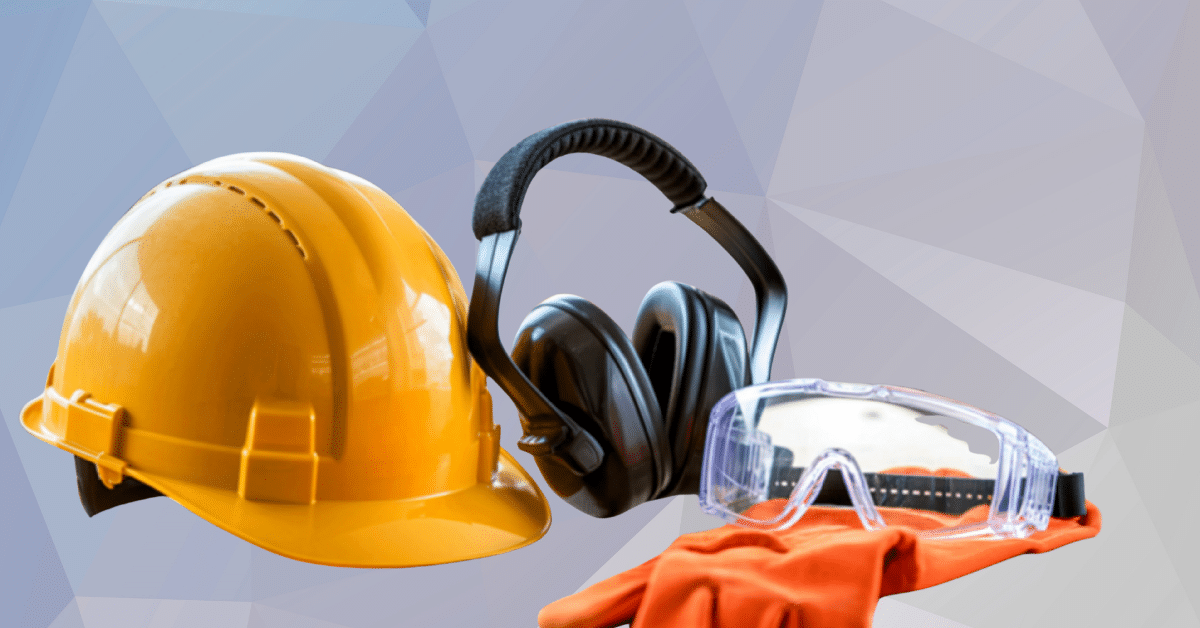
The first time I watched a new hire suit up for a routine drum transfer, I could tell they were doing what most of us do under pressure: grabbing whatever looked “protective” and hoping it was enough. They had thick gloves, basic safety glasses, and a disposable mask.
Ten minutes later, the gloves were tacky, their eyes were watering from a splash mist, and the mask was doing nothing for the solvent odor that had turned the air sharp and sweet. Nobody was reckless. The gear just didn’t match the hazard.
Chemical work has a way of punishing shortcuts quietly at first, then all at once. A glove that’s great for abrasion can fail fast against the wrong solvent.
A face shield can look like full protection while tiny droplets slip around the edges. A respirator can feel “sealed” and still leak if it doesn’t fit your face or if the cartridge isn’t made for that gas.
That’s why completing a GHS HazCom course is essential before handling chemicals. Understanding labels, Safety Data Sheets (SDS), and hazard classifications helps you anticipate risks, select the right personal protective equipment (PPE), and respond safely if exposure occurs.
This guide breaks down how to match gloves, goggles, and respirators to real chemical hazards, with practical examples, selection checklists, and training tips you can put to work today—building on the foundation from your HazCom training.
PPE Selection For Chemical Hazards Starts With The Exposure Story
Before picking a product, build a clear picture of what can touch the body and how. Chemical hazards rarely arrive in a single neat form. One task can include splashes, fine mists, vapor off-gassing, and contaminated surfaces that transfer to skin during cleanup.
Start by describing exposure in plain language: What chemical is it, what concentration, what temperature, and what is the task doing to it? Heating, spraying, mixing, and agitation all change how chemicals behave. Also note how long contact might last, because “brief” in a busy shop can turn into 30 minutes when something jams.
A helpful habit is to write an “exposure story” for the task: the likely contact points (hands, forearms, eyes, face, lungs), the most probable routes (splash, immersion, aerosol, vapor), and the duration. That story becomes your map for selecting PPE that matches the hazard rather than the label.
Know Your Chemical: Compatibility Beats Thickness
A glove can feel sturdy and still be wrong. Chemical resistance depends on the glove material and the chemical’s ability to permeate it, which can happen without visible damage. You want resistance based on permeation and breakthrough time, not just “looks tough.”
Also remember that mixtures behave differently from single chemicals. A cleaner that combines solvents, surfactants, and fragrances can cut through certain glove materials faster than the Safety Data Sheet headline suggests. When in doubt, treat mixtures as more aggressive than their mildest ingredient.
Here are the factors that most often change glove performance in the real world:
- Chemical concentration and temperature (warmer often means faster permeation)
- Contact type (splash vs. prolonged wet contact vs. immersion)
- Mechanical stress (gripping, twisting, abrasion, puncture risk)
- Reuse and contamination from repeated donning and doffing
After you identify these, you can choose gloa ve material and thickness that match both chemical resistance and the job’s physical demands.
Gloves: Matching Material, Cuff, And Dexterity To The Task
Hand protection is where most chemical exposure starts, then spreads. Hands touch containers, valves, tools, rags, and controls. When gloves are wrong, contamination moves from the outside of the glove to the skin, then to the face, phone, steering wheel, and breakroom door.
For glove selection, treat it like choosing tires: the best option depends on the road. A lab pipetting task needs dexterity and tactile feedback. A parts washer or dip tank needs length, thickness, and strong chemical resistance. Cuff length matters more than many teams realize, because splashes often run downhill.
A practical approach is to create two glove tiers for each chemical process: a “routine handling” glove and a “high-contact” glove for cleaning, maintenance, or spill conditions. That keeps people from either over-gloving all day (and refusing to wear them) or under-gloving when the task changes.
Glove Selection Quick Check
Use this as a pre-task pause, especially when chemicals, tasks, or products change:
- Confirm the chemical and any additives or mixed products
- Select glove material rated for that chemical family
- Choose a cuff length that protects the wrist and lower forearm
- Decide if single-use or reusable fits the exposure time and contamination risk
- Plan glove change timing, not just “when it looks bad”
That last point is often the difference between a safety program that lives on paper and one that protects real skin.
Eye And Face Protection: When Safety Glasses Are Not Enough
Eye injuries are common and often preventable. The U.S. Bureau of Labor Statistics reported 18,510 eye-related injury or illness cases in 2020 that required at least one day away from work. That’s not a niche problem. It’s a daily risk across maintenance, production, cleaning, and lab work.
Chemicals create a special challenge because splashes don’t behave like flying debris. Liquids can arc, bounce, and aerosolize. Vapors can irritate and drive rubbing, which turns a minor exposure into a bigger one. Eye protection needs to match splash direction, droplet size, and the likelihood of face exposure beyond the eyes.
Goggles are often the right base layer for splash and mist. A face shield can add coverage, but it should be treated as a secondary barrier in splash scenarios, not the only one. If the hazard can get around the shield edge, it will.
Choosing Goggles: Venting, Fit, And Compatibility With Respirators
Not all goggles perform the same. The most common failure mode is “almost sealed,” where gaps around the brow or cheek let droplets in. Another is the wrong vent style for the hazard. Guidance for protective eyewear notes that directly vented goggles can allow liquid entry in splash settings, while indirectly vented or non-vented designs reduce that risk.
Fit matters as much as the model. Goggles should sit comfortably without lifting when you talk or move. They should not push a respirator out of position or fight with the nose bridge seal. If workers need to constantly adjust them, they won’t keep them on.
A good practice is to run a “compatibility try-on” with the actual respirator used for the task. Put both on, do normal work motions for two minutes, and check for slippage, fogging, and pressure points. Fixing comfort issues at selection time prevents shortcuts later.
Respirators: Match The Hazard Form, Not The Smell
Odor is a poor safety indicator. Some dangerous chemicals have weak smell, and some strong odors are present at levels below exposure limits. Respirator selection starts with the contaminant type: particulates, gases/vapors, or both. Then you decide what kind of respirator and cartridge can control that hazard at the expected concentration.
A key detail many teams miss: chemical cartridges remove gases or vapors, while combination cartridges can remove vapors and particles together. If the job includes both a mist (particle-like) and a solvent vapor, you need the right combination approach. If oxygen is low or the chemical level is unknown or very high, air-purifying options may not be appropriate and a supplied-air approach may be required under the site’s respiratory program.
Also, a respirator that does not fit the wearer is just expensive plastic. Fit testing, seal checks, and training are what turn a respirator into protection rather than a comfort item.
Cartridge And Filter Selection: Make A Change Schedule Real
Once you pick a cartridge type, the next question is simple: when does it stop working? Relying on “when you smell it” is a gamble and teaches bad habits. Many respirator selection guides note that when gas/vapor cartridges are used, a cartridge change schedule must be implemented.
Change schedules can be built from chemical concentration estimates, duration of use, humidity, and manufacturer data. If those inputs are uncertain, the schedule should be conservative. Store cartridges properly too, because cartridges can absorb contaminants from the air even when not worn.
A practical routine is to label cartridges with the first-use date and a planned discard date, then keep spares in a sealed container. That turns replacement into a normal step, like changing a filter in a shop vac, instead of a debate during the task.
The “System” Approach: Gloves, Goggles, And Respirator Must Work Together
PPE is not three separate purchases. It’s one system worn on one body doing one task. A glove that slips when wet leads to grip changes that increase splash risk. Goggles that pinch cause frequent removal, which defeats the whole point. A respirator strap layout can interfere with goggle bands, breaking seals on both.
Build a short wear trial into selection. Have workers simulate the task: gripping tools, bending, reaching overhead, and turning the head. Then check for common system failures: fogging, strap conflict, loss of seal, reduced visibility, and hand fatigue.
Two paragraphs into your PPE program, this is where trust is built. People follow rules they believe were made with real work in mind. Wear trials show you care about their day, not just the audit binder.
Training That Sticks: From Checklists To Habits
The fastest way to spot a weak PPE program is to watch what happens when something goes wrong. If people freeze, guess, or copy what the most confident person does, training hasn’t become habit. Training should be practical, short, and repeated, not a once-a-year slide deck.
Use micro-drills: a 5-minute glove change drill, a goggle fit check, a respirator seal check, a “what would you wear for this transfer” discussion. Rotate scenarios so people build judgment, not just memorization. Track near-misses as learning moments, not blame moments.
Preparedness For The Moment Things Go Sideways
Even with good PPE, chemical work needs a plan for the unexpected. Small spills can turn into hand and eye exposures when the response is improvised. The goal is to respond fast, protect people first, then contain and clean.
Keep response steps simple and visible. Make sure the right PPE for cleanup is staged near the hazard, not locked in a distant cabinet. Build in the “who calls, who blocks access, who cleans” roles so people aren’t guessing while exposure time grows.
A short refresher on spill response basics should include who can respond, what PPE is required for cleanup, when to evacuate, and where contaminated waste goes. That prevents the common mistake of using routine handling PPE for cleanup, which is often a higher-contact, higher-risk job.
Maintenance, Storage, And Replacement: The Quiet Part Of Protection
PPE fails in storage just as easily as it fails on the job. Gloves left in heat can degrade. Goggles stored loose can scratch, reducing visibility and increasing removal. Respirators stored unsealed can load cartridges with background contamination.
Set storage rules that are easy to follow: clean and dry gear, protected from sunlight, away from chemical vapors, and organized so people can grab the right item quickly. If your PPE is hard to find, people will “make do” with the nearest option.
Replacement triggers should be clear and non-negotiable. Cloudy lenses, stretched straps, sticky valves, or gloves that feel stiff or swollen after exposure are all signs to replace. When replacement is easy and supported by supervisors, PPE stays reliable.
Conclusion
Good chemical PPE selection is less about buying the “strongest” gear and more about matching protection to the exposure story: what touches the body, how it gets there, and how long it stays.
When gloves match chemical resistance and task demands, when goggles seal well and play nicely with respirators, and when cartridges follow a real change schedule, you reduce risk in a way people can feel every day.
If you manage chemical tasks, take one action this week: pick one high-frequency job, run a 10-minute wear trial with your team, and update the PPE choice based on what actually happens during the work. That small step builds trust, improves compliance, and keeps chemical hazards where they belong, inside the container and off the worker.
FAQ
How Do I Start PPE Selection For Chemical Hazards If I Don’t Know The Exact Exposure Level?
Start by documenting the task and the chemical, then describe how exposure could happen: splash, mist, vapor, or contaminated surfaces. Use the most conservative assumption when details are uncertain, especially for heated, sprayed, or agitated chemicals.
Build a PPE set for routine handling and another for higher-contact tasks like cleaning. Then validate with a short wear trial to confirm fit, comfort, and seal.
What’s The Biggest Mistake People Make With Gloves During PPE Selection For Chemical Hazards?
The most common mistake is choosing gloves based on thickness or durability alone. Chemical resistance depends on the glove material and how the chemical permeates it over time. A tough glove can still allow breakthrough quickly against certain solvents.
Another frequent issue is cuff length: short cuffs leave wrists exposed when liquids run down the forearm. Plan glove changes by time and task, not by appearance.
Are Goggles Always Required For PPE Selection For Chemical Hazards?
Not always, but for splash, mist, and aggressive liquid handling, goggles are often the safest base layer for eye protection. Safety glasses may help with impact hazards, yet they can leave gaps for droplets.
Face shields add coverage, but they don’t reliably seal around the eyes. If the task involves pouring, mixing, pressurized lines, or cleaning, goggles with a good seal are commonly the right choice.
How Do I Know If My Respirator Cartridge Matches The Chemical Hazard?
Match the cartridge to the hazard type first: particles, gases/vapors, or both. Many chemical tasks need combination cartridges because they generate mist and vapor at the same time. Don’t rely on odor as your indicator.
Use a cartridge change schedule based on expected exposure and duration, and store cartridges in a sealed container when not in use. Fit testing and seal checks matter as much as cartridge type.
How Often Should We Review PPE Selection For Chemical Hazards?
Review whenever any part of the exposure story changes: new chemical, new concentration, new task method (spraying vs. wiping), higher temperature, or a process change that increases contact time.
Also review after any near-miss, skin irritation complaint, eye exposure, or respirator comfort issue. A practical rhythm is a quarterly check of high-risk tasks plus an immediate review after incidents or product substitutions.