
The first time I walked through a small production shop, I noticed the smell before I noticed the work. It was faint, like a sharp “clean” scent hiding under warm metal and coffee. Nobody mentioned it. The crew looked used to it, like the odor was just part of the building. Later, a newer employee quietly asked where the “strong stuff” was stored because their throat felt scratchy by lunch. That moment stuck with me because chemical exposure often shows up that way, as a background hum people learn to tune out.
Reducing chemical exposure is not about fear, it’s about control. Chemicals can be useful tools, but they behave like smoke in a room: they drift, they settle, they cling to gloves, sleeves, and hair, and they follow people into break areas if habits get sloppy. A safer workplace is built when leaders treat exposure like a process problem, not a toughness test.
The Quiet Ways Exposure Happens At Work
Chemical exposure rarely comes from one dramatic spill. More often, it comes from small contacts repeated all day: mist from spraying, dust from powders, vapors from open containers, or residue left on tools. Inhaling is the obvious route, but skin contact is just as common, especially when people wipe surfaces with bare hands or reuse contaminated rags.
Exposure also travels through routine decisions. A lid left off “for convenience.” A fan pointed the wrong direction. A workstation placed near a doorway where air currents carry vapors across the room. When you map these little choices, you can see how exposure becomes a chain, and the safest workplaces are the ones that break the chain early.
How To Reduce Employee Chemical Exposure Using A Layered Approach
To Reduce Employee Chemical Exposure, rely on layers, not a single fix. Think of exposure controls like a raincoat system. One thin layer might keep you dry in a drizzle, but in heavy weather you need multiple layers working together. The same idea applies to chemical safety: engineering controls, safer products, work practices, and protective equipment all share the load.
A layered plan also keeps you from over-relying on PPE. Gloves and respirators matter, but they are the last line of defense, not the first. When the workplace removes the hazard or traps it before it reaches breathing zones and skin, employees do not have to “wear safety” all day to stay protected.
Common layers workplaces use together:
- Eliminate or substitute hazardous chemicals where possible
- Isolate the process with closed systems or barriers
- Capture vapors and dust with local exhaust ventilation
- Standardize safe work steps and cleanup routines
- Use PPE matched to the chemical and task
- Train, label, and reinforce reporting of symptoms and near-misses
Start With A Chemical Inventory That Matches Reality
Many sites have a binder list that looks good on paper, but the floor tells a different story. Bottles get refilled, spray containers multiply, and “mystery products” appear in drawers because someone wanted a faster option. A real inventory means walking the work areas, opening cabinets, checking maintenance carts, and documenting what is actually being used.
Once you have that list, group chemicals by task and hazard type. That makes patterns visible. You may spot that three different degreasers are used for the same job, or that the harshest product is used simply because it’s closest to the workstation. When you see duplication and convenience choices, you’ve found quick wins.
Build A Habit To Identify Chemical Hazards Safely
Before anyone uses a product, they need a repeatable way to identify chemical hazards safely. That means more than reading a label once during onboarding. It’s a daily skill: recognizing hazard pictograms, checking for incompatible uses, and knowing what exposure looks like in the body, such as headaches, dizziness, coughing, skin irritation, or nausea.
Make hazard identification part of the workflow, not an extra chore. A simple practice is to require a quick “pause and check” before first use of a chemical that day: confirm the product, the task, ventilation status, and PPE. When this pause becomes routine, employees stop treating chemical use like grabbing a marker and start treating it like operating equipment.
Substitute Chemicals And Simplify The Process
Substitution is one of the fastest ways to reduce exposure. If a safer product can do the job, the risk drops for everyone, including the people who clean up at the end of the shift. Substitution also reduces the chance of mixing incompatibles, because fewer products means fewer ways to make a mistake.
Simplifying the process matters too. If employees must pour, mix, and transfer chemicals repeatedly, every transfer is a chance for splashes and vapor release. Pre-measured packets, closed dispensing systems, and ready-to-use formulations can reduce contact time and reduce airborne release. When work is designed to be clean by default, safety stops feeling like extra effort.
Ventilation And Containment People Can Actually Feel
General building ventilation helps, but it’s often not enough for tasks that generate vapors, dust, or aerosolized mist. Local exhaust ventilation, the kind that pulls contaminants away at the source, can be the difference between “it smells like solvent all day” and “we barely notice it.” The goal is to keep contaminants out of the breathing zone, not just to dilute them after they spread.
Containment matters just as much. Closed lids, covered parts washers, sealed transfer lines, and splash guards reduce release before air even becomes a factor. When containment is missing, chemicals behave like glitter. They show up far from where they started, and you find residue on doorknobs, keyboards, and breakroom tables.
Work Practices That Cut Exposure Without Slowing Work
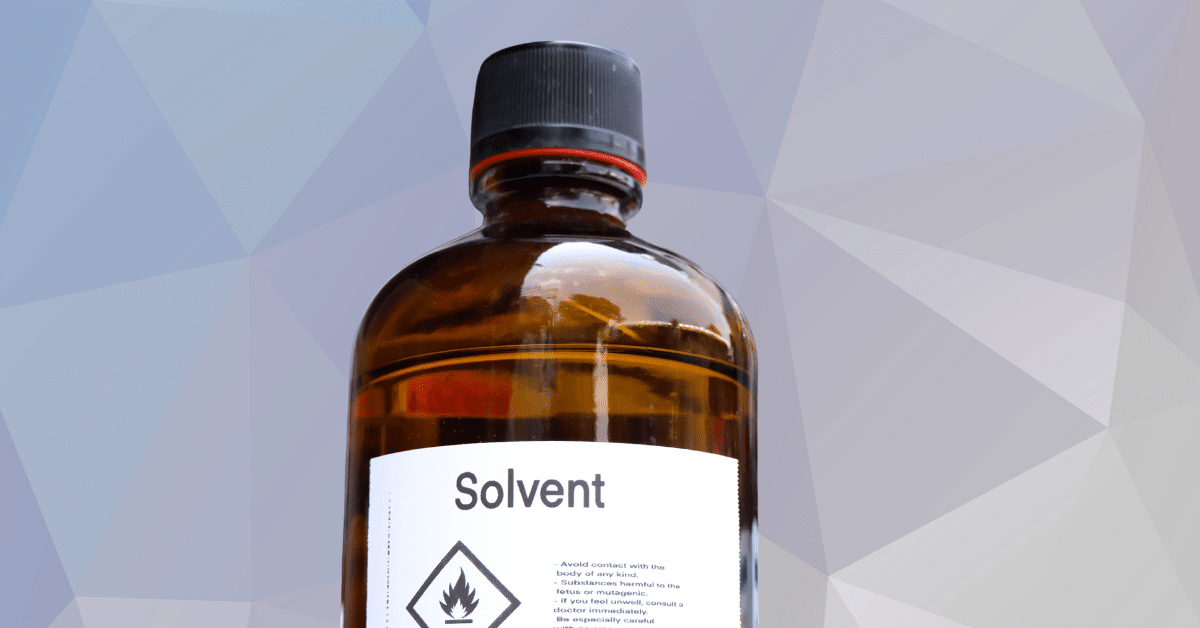
Even with good equipment, habits can raise exposure fast. A rag dipped in solvent and left on a bench acts like a tiny vapor generator. A compressed air blow-off can turn settled dust into a breathing hazard. A shared pair of gloves can transfer contamination from one person to another like passing ink on a handshake.
Strong work practices are specific and easy to follow. They focus on what hands do, where chemicals sit, and how tools are cleaned. They also include housekeeping routines that prevent buildup that later becomes airborne.
Work practices that often reduce exposure quickly:
- Keep containers closed when not in active use
- Use pumps or dispensers instead of open pouring
- Prohibit food and drink in chemical use areas
- Use wet methods or vacuum systems for dust, not dry sweeping
- Replace solvent-soaked rags with sealed rag cans and frequent disposal
- Wash hands at task changes, not only at shift end
PPE That Fits The Chemical And The Human
PPE is most effective when it matches the chemical hazard and the task duration. “Any glove” is not a real plan. Some chemicals pass through certain glove materials quickly, and a glove that works for a splash may fail during extended contact. The same idea applies to eye protection, aprons, and respirators.
Comfort affects compliance. If goggles fog, employees lift them. If gloves tear, employees stop using them. Fit testing, sizes that match the workforce, and clear replacement rules all matter. PPE also needs a clean storage routine so it doesn’t become a contaminated object people handle all day.
PPE practices that support real-world use:
- Post PPE selection charts by task, not only by product name
- Provide multiple glove sizes and materials for different jobs
- Replace PPE on a schedule, not only after visible damage
- Store clean PPE away from chemical storage and spill areas
- Train employees on doffing steps to avoid contaminating skin and clothing
Labeling And Training That Stick In Busy Workplaces
When labeling is sloppy, exposure rises. Unlabeled bottles lead to wrong use, accidental mixing, and delayed response during spills. Clear labels and consistent hazard communication create speed and clarity during real work, especially on hectic shifts.
Many workplaces build that habit through a short GHS hazCom course during onboarding, then reinforce it with quick refreshers tied to actual tasks. The goal is simple: employees should recognize what they’re handling, know the key risks, and know the correct first response if contact happens. Training works best when it uses the same containers, labels, and examples employees see on the floor.
Storage, Spill Response, And Housekeeping Controls
Storage and housekeeping are where “safe chemical use” either holds together or falls apart. Poor storage creates leaks, cross-contamination, and accidental mixing. Poor housekeeping turns the whole room into a low-level exposure source, with residues on shelves, carts, and floors.
Spill response should be clear, role-based, and practiced. People freeze when they don’t know whether to clean it, report it, or evacuate. When the response is written in plain language and supplies are easy to reach, the workplace handles spills calmly instead of improvising.
A strong storage and spill setup often includes:
- Segregation of incompatibles, with clear cabinet labeling
- Secondary containment for liquids that can leak
- Dedicated spill kits matched to the chemicals on site
- Clear “who does what” steps for small vs. large spills
- Cleanup logs that capture patterns, not just blame
Monitoring Exposure And Listening To Early Warning Signs
Workplaces reduce exposure faster when they track what’s happening, not just what’s supposed to happen. That can mean air sampling for certain processes, wipe sampling for surface contamination, or simple checklists that document ventilation status and chemical transfer steps. Monitoring is not about catching employees, it’s about catching drift, the slow slide from safe routines to shortcut routines.
Employee feedback is part of monitoring too. Irritated eyes, headaches that show up at the same time each day, skin that breaks out after a specific task, or a lingering smell in one corner of a room are all clues. When leaders respond to these clues quickly, employees trust the system and speak up earlier the next time.
Closing Thoughts And A Practical Next Step
Chemical safety can feel invisible until it isn’t. The most reliable workplaces treat exposure control like maintaining brakes: you don’t wait for failure, you keep the system tuned. When you remove unnecessary chemicals, contain what remains, capture contaminants at the source, and build clear habits around labeling, PPE, storage, and cleanup, you create a workplace where people can focus on their jobs without carrying hazards home on their clothes.
A practical next step is to choose one task and redesign it for lower exposure. Map the chemical, the container, the airflow, the hand steps, and the cleanup routine. Improve one piece this month, then repeat with the next task. Over time, that steady rhythm becomes the culture.