
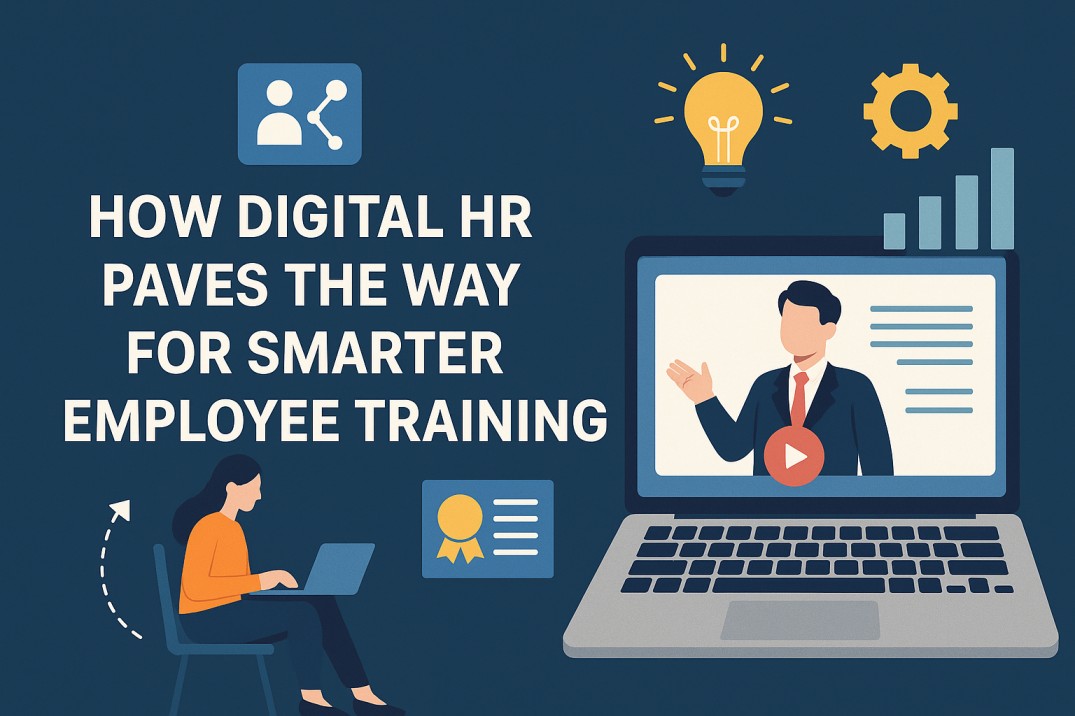
For far too long, Human Resources has been viewed as the paperwork and process department. It’s a cliché that far too many HR professionals are all too well aware of. Payroll, leave forms, and compliance are essential, sure, but this admin drudgery tends to leave few hours for what actually counts: growing your people.
Today, with skills gaps opening and a need for a flexible, hybrid workforce, this is not an issue you can afford to overlook. Companies that aspire to excel recognize this issue as a huge opportunity.
By adopting digital HR, you can accomplish more than simply declutter your workspace of paperwork. You can establish the groundwork for a wiser, fairer, and very engaging training culture that positions your entire team for success.
But where do you even start?
What Does Digital HR Transformation Really Mean for Training?
When you hear “digital HR,” it’s easy to imagine automated payroll or web-based leave forms. And yeah, that’s included. But the biggest impact is building a single, integrated ecosystem for all your people activities.
Look at the legacy method. A manager may create a roster in a spreadsheet, and an individual keys this in manually for timesheets, then gets re-keyed for payroll. It’s a road to disaster and wasted hours. Imagine now an integrated system, like those implemented by experts like Coggno, where this data flows through seamlessly.
This’s not about simplifying life for your admin staff. It’s about freeing up your managers and HR leaders to do more important work, like coaching, mentoring, and, of course, employee development. If you’re not sitting there hours a day erasing data entry mistakes, you’re able to sit down with your team and discuss career aspirations.
Using Data to Build a Smarter Learning Culture
The moment your core HR processes are connected and digitized, something magical happens: you start collecting clean, consistent data. HR can become overnight ultra-proactive instead of just addressing issues of the day. Instead of merely coping with today’s problems, you can start crafting tomorrow’s people.
This information becomes the foundation of your training plan. You can review performance assessments, monitor skills by department, and notice where the actual knowledge gaps are.
Based on recommendations from companies such as McKinsey, this data-driven strategy brings HR to the level of a strategic business partner that can respond to some key questions:
- What teams require upskilling to support our future targets?
- Are our onboarding initiatives actually making new employees efficient?
- Who are our emerging stars who require leadership training?
This is how you transition from generic, one-size-fits-all training courses to customized learning journeys that actually enable employees to develop.
Making Training Inclusive and Accessible for Everyone
HR digital transformation is not just about efficiency and analysis; it’s also a golden opportunity to create a respectful and equitable workplace from the outset.
Inclusion is all about ensuring that all employees regardless of their function, location, or capability. They should have equal chances to learn, grow, and contribute. Such a commitment is best seen through businesses such as atWork Australia, which has its mission to enable people with disability, injury, or health conditions to find meaningful work.
Other aids like a functional capacity assessment also help employers gain more information on individual capabilities and develop workplace adjustments or training regimens that satisfy the strength of each person.
When choosing HR technology, the key is to ask the right questions: Is the site for training accessible for a person with vision loss? Is there the ability within the system to ensure flexibility for work-life balance for parents or part-time employees? Are the opportunities for advancement allocated equally between all levels and positions?
Your 4-Step Plan for a Data-Driven Training Strategy
Gaining this right doesn’t come overnight. There has to be a clear-cut, step-by-step approach.
- Define Your L&D Vision: Start by figuring out what you’re looking to achieve. Is it to reduce the time it takes for new hires to become fully proficient?Increase compliance levels? Or build a stronger pipeline of internal leaders?
Get specific and decide on the most critical metrics you will use to measure your success.
- Choose the Right Tech Partner: With your objectives in mind, you can select the technology to enable them. Search for cloud-based solutions that combine HR and performance management with learning.
Your tech partner is also critical. You want someone who knows your business and has the ability to give you the training and support necessary to make the project successful.
- People-Focused, Not Platform-Focused: This is where most implementations go wrong. A new system won’t do any good if your staff is unaware of how to use it or is unclear on why it matters. A first-rate implementation plan involves detailed training for all of the following: frontline staff and managers to empower and give confidence to them.
- Measure, Adapt, and Improve: Your digital HR journey doesn’t just end at go-live. Leverage the insight from your new system to continually review your training metrics. Are you on target? Use this data to refine your programs, make strategic adjustments, and show the incredible value of learning and development to the rest of the business.
The Future is Smart and Skilled
Embracing this shift brings impactful outcomes immediately, from massive increases in efficiency to richer strategic insights. You can now create more balanced access to opportunity and develop an employer brand that appeals to the best talent.
And the revolution isn’t abating. Where technology intersects with people, as studies like PwC’s ‘Workforce of the Future’ indicate, is where the magic will happen. Look for AI-powered predictive analytics that can suggest training modules, one-stop-shop employee experience platforms, and new tools specifically designed for our hybrid, messy world.
The commonality? An unstinting focus on inclusive, human-centric design.
Through digitalization of your HR functions and making data-driven training your prime mover, you can build an organization that not only runs smoothly but also actually empowers each person to do their best.