
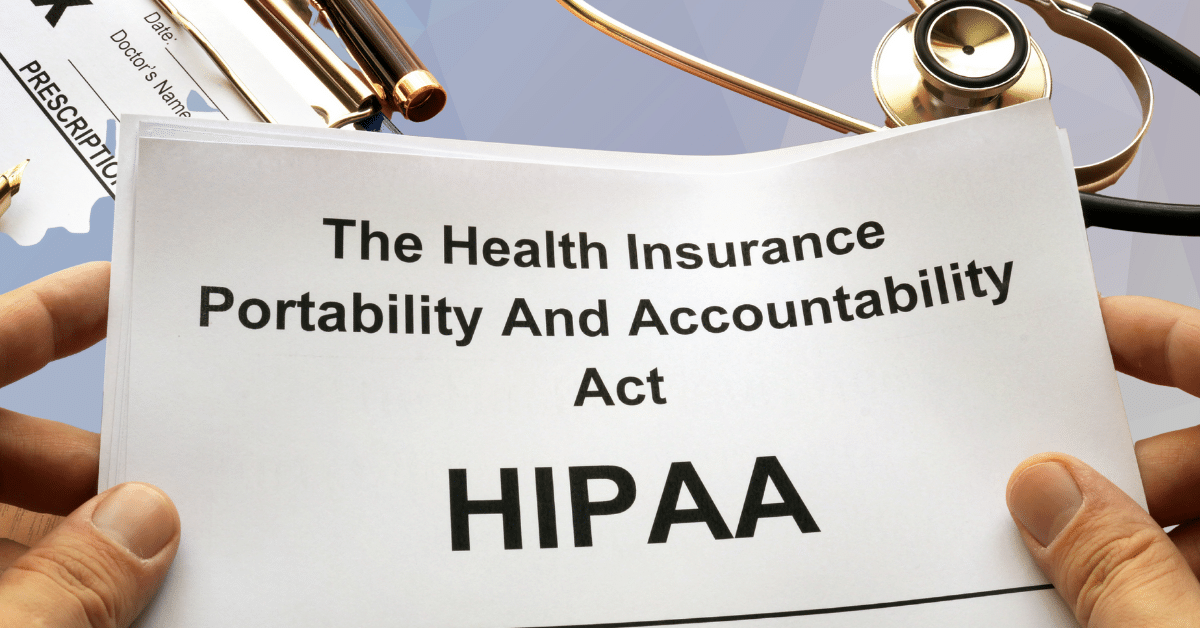
For healthcare employers, ensuring HIPAA compliance is a non-negotiable responsibility. However, a common misconception is that annual HIPAA training alone is sufficient. While training is mandatory, it is only one piece of a much larger puzzle. Comprehensive compliance programs address this challenge by integrating multiple elements beyond training. A comprehensive compliance program integrates policies, risk management, and continuous oversight to create a true culture of security. This article explores the critical differences between basic training and a full compliance program, explains why training alone is insufficient against modern threats, and provides a framework for what healthcare employers actually need to achieve robust, defensible compliance.
Strategic Overview: From Annual Training to Continuous Compliance
HIPAA compliance? Yeah, healthcare outfits used to treat it like some boring yearly chore: cram employees into training sessions, check the box, call it a day. Newsflash—things ain’t that simple anymore. Cyber threats? They’ve exploded, gone next-level. That old-school, slapdash approach? It’s toast.
Now? It’s all about weaving security and privacy into the DNA of an organization, not just ticking boxes. Forget asking, “What training’s due this year?” The real question’s way bigger: “How do we bake this into everything we do?”
Enter the “Seven Elements of an Effective Compliance Program.” This ain’t some dusty corporate jargon; it’s the gold standard, straight from the Office of Inspector General. The difference? It’s dynamic, it’s tough, and it won’t crumble when regulators come knocking. No more last-minute scrambling—this is about building something that lasts.
1. Understanding HIPAA Training Requirements
Look, here’s the deal: HIPAA doesn’t mess around. The Privacy Rule? It straight-up demands that every single employee—yeah, even the big shots in management—gets schooled on how to handle Protected Health Information, or PHI, the right way. And if you think that’s all? Nope. The Security Rule throws in another layer, forcing companies to drill their teams on cybersecurity smarts, from spotting nasty malware to reporting shady stuff pronto.
Now, sure, the rules don’t slap down a strict calendar for training sessions. But anyone with half a brain knows annual refreshers ain’t just smart, they’re borderline non-negotiable. Skip it? Roll the dice on compliance gaps, headaches, maybe even a pricey government “chat.” Good luck explaining that one to the boss.
Forget smooth corporate-speak—this is real talk. Workers gotta stay sharp, policies gotta stick, and if corners get cut, well, let’s just say HIPAA won’t be sending a friendly reminder.
. Coggno’s comprehensive training programs help organizations meet these foundational requirements while building toward complete compliance strategies. This foundational training ensures employees understand their basic responsibilities in safeguarding patient data, from recognizing PHI to reporting potential breaches.
2. The Seven Elements of a Full Compliance Program
Want to build a HIPAA compliance program that actually works? Don’t just check boxes—nail these seven must-haves. First off, grab a pen: you need airtight policies in writing, no wishy-washy stuff. Next, find yourself a compliance boss and a squad to back them up. Training? Yeah, throw some muscle behind it, because lecture slides won’t cut it when someone’s snooping around patient files.
Then things get real: your team needs a way to whistleblow without sweating bullets. Got a hotline? Great. Now give it teeth. And monitor, monitor, monitor—because if you aren’t auditing, you’re basically flying blind.
But here’s the kicker: when folks break the rules, bring the hammer down. No “slap on the wrist” nonsense. And screw-ups? Fix ‘em fast, or watch regulators kick your door in. Bottom line? Half measures sink ships. Go all in, or don’t bother.
Organizations can leverage Coggno’s professional development resources to help staff understand these policies and their compliance roles. When implemented together, these elements create robust infrastructure supporting a culture of compliance far more effectively than training alone.
3. Why Training Alone Fails in 2025
Thinking annual HIPAA training keeps you safe? Think again. It’s like slapping a Band-Aid on a bullet wound—nice try, but nowhere near enough. Sure, companies tick the compliance box and call it a day, but let’s be real: hackers aren’t playing by old rules anymore. They’ve leveled up with AI-powered scams so slick you’d swear that phishing email came from your actual boss. Meanwhile, healthcare outfits cough up a cool $11 mil per ransomware disaster. Training sessions? Please. They’re table stakes in a game where the stakes keep skyrocketing.
Organizations must supplement basic HIPAA training with advanced security awareness programs to address these evolving threats. This is why cybersecurity compliance training has become essential alongside traditional HIPAA training. Annual sessions fail to build the muscle memory needed to recognize and respond to real-time attacks. This gap between compliance and true security is where breaches occur, leading to significant financial penalties, operational disruptions, and reputational damage.
4. Building a Full Program: Policies, Procedures, and People
A full compliance program establishes comprehensive governance structures. This begins with clear, written policies and procedures tailored to organizational operations and risks. Workplace safety training can complement these policies by reinforcing organizational standards across all departments.
A designated HIPAA Privacy and Security Officer and compliance committee provide necessary oversight and enforcement authority, ensuring clear accountability throughout the organization. Leadership training programs equip these officers with skills needed to effectively lead compliance initiatives.
Full programs establish clear communication channels for employees to report violations without fear of retaliation. This open reporting is critical for early issue detection and fostering shared compliance responsibility. This combination of documented policies, designated leadership, and open communication creates a robust and resilient compliance framework.
5. Proactive Defense: Risk Assessments and Auditing
A solid compliance plan isn’t just about scrambling after breaches hit. Smart healthcare outfits stay ahead of the game by running frequent security checks, spotting flaws before bad actors do; they don’t just slap on encryption or lock down access and call it a day.
Audits? They’re the real deal, digging into access logs, throwing surprise pen tests, making sure every safeguard actually works instead of just looking good on paper. It’s not rocket science, but let’s be honest, plenty still drop the ball.
Catching weak points before they get ugly? That’s the whole playbook. Hackers move fast, and waiting until after the fact is like slamming the barn door once the horse is long gone. Healthcare compliance training supports these efforts by keeping staff informed of emerging risks and best practices. This proactive approach is the critical differentiator between basic training and comprehensive compliance strategies providing real protection.
6. Incident Response and Continuous Improvement
No organization’s defenses are impenetrable. Full compliance programs prepare with robust incident response plans outlining specific breach response steps, from detection and containment to patient notification and regulatory reporting. Well-defined plans significantly reduce breach impact, both financially and reputationally.
Following incidents, corrective action processes prevent similar occurrences through policy updates, new security controls, or additional training. This continuous cycle of response and correction ensures organizations always learn and improve security posture. This commitment to continuous improvement truly separates full compliance programs from simple training requirements.
Editor’s Choice: Coggno — Your Partner in Comprehensive HIPAA Compliance
While many vendors offer basic HIPAA training, Coggno provides comprehensive tools to build and manage full compliance programs. Coggno’s learning management system (LMS) delivers and tracks HIPAA training while managing policies, conducting risk assessments, and documenting compliance activities in centralized, audit-ready locations.
This holistic approach moves organizations from reactive, training-focused models to proactive, program-centric strategies. For organizations serious about protecting patient data and building defensible compliance posture, Coggno provides tools and partnership for true peace of mind.
Key Features Comparison: Training-Only vs Full Programs
You think slapping a once-a-year HIPAA training session on your employees cuts it? Think again. Those bare-bones crash courses might check a compliance box, but they’re about as useful as a screen door on a submarine when real trouble hits.
Meanwhile, full-blown compliance programs? Now we’re talking layers: relentless risk checks, surprise audits dripping with consequences, and crisis playbooks that don’t just gather dust. Yeah, the cheapo route saves pennies now—until a breach guts your budget and torches your reputation like dry kindling. But invest in the real deal, and suddenly you’re dodging lawsuits before they land, sleeping soundly with ROI that actually means something. Some shortcuts just ain’t worth taking.
Scalability and Integration Considerations
Health care outfits balloon, yet many still cling to those flimsy “check-the-box” training modules that might’ve flown when they were small fish. But let’s be real, those outdated tactics crumble faster than a stale cookie under the weight of sprawling hospital chains or multi-state clinics.
Smart operators aren’t just beefing up their compliance game, they’re wiring it straight into the bloodstream of operations. Picture this: ironclad governance frameworks, yes, but also policy blueprints so tight they’d make a bureaucrat weep. And the tech? Oh, it’s doing the heavy lifting—EHRs and HRIS platforms aren’t just digitizing records anymore, they’re quietly automating the grunt work of compliance before anyone even hits “submit.”
Sure, some execs still treat regulations like an annoying buzzkill. But the ones ahead of the curve? They get it. Seamless integration isn’t just fancy jargon; it’s the difference between scrambling when auditors show up and breezing through like it’s just another Tuesday.
Coggno’s platform is built with scalability and integration in mind, providing flexible solutions that grow with organizations and adapt to changing needs.
Pricing Models and Cost Transparency
Sticker shock for HIPAA-compliance? Buckle up, because the price tag’s all over the map. Slap on a cheap training course for the team, and you’re looking at $20-$50 a head, sure. But that’s just the cover charge—reality hits when you realize policies, risk audits, and the rest of that fun compliance circus aren’t included.
Now, full-blown compliance? That’s subscription city. Tiny clinics might cough up a couple hundred bucks a month, while sprawling hospital networks hemorrhage thousands. Yeah, it stings at first, but here’s the kicker: cutting corners now practically guarantees a bloodbath later. One data disaster, and suddenly you’re drowning in fines, lawyers slurping up fees, and a rep so toasted you’ll need PR fire extinguishers. Dumb move.
Smart outfits? They treat this like insurance—pricey upfront, but sanity-saving when things go sideways. Because they will. And when they do, desperate clinics stuck with bargain-bin compliance end up paying in tears and zeros. Get it right the first time, or get wrecked later. Simple as that.
Conclusion
Let’s cut through the noise. In healthcare, where every click and keystroke could mean life or death for patient data, treating cybersecurity like a checkbox exercise is a recipe for disaster. Sure, slapping together annual training modules ticks the “mandatory” box, but let’s be real, hackers aren’t waiting around for your next refresher course.
What actually works? Seven pillars: clear rules, bosses who walk the talk, relentless staff drills, open chatter about threats, regular checkups, no-nonsense consequences, and a crisis plan that doesn’t collect dust. Do it right, and you’re not just dodging fines—you’re building a fortress for sensitive records and a workplace where security isn’t just policy; it’s second nature.
Skimp now, pay later. Or dig deep and transform compliance from a headache into your best defense. It’s not rocket science; just hard work with stakes too high to ignore.
To build robust, defensible compliance programs, explore Coggno’s comprehensive compliance solutions and partner with a trusted leader.
References
[1] HIPAA Journal. (2025). HIPAA Training Requirements. https://www.hipaajournal.com/hipaa-training-requirements/
[2] U.S. Department of Health & Human Services. (2025). HIPAA for Professionals. https://www.hhs.gov/hipaa/for-professionals/index.html
[3] HIPAA Journal. (2025). Seven Elements of a Compliance Program. https://www.hipaajournal.com/seven-elements-of-a-compliance-program/
[4] AppSecEngineer. (2025). Why HIPAA Training Isn’t Enough to Protect Healthcare Data in 2025. https://www.appsecengineer.com/blog/why-hipaa-training-isnt-enough-to-protect-healthcare-data-in-2025
[5] Coggno. (2025). HR Compliance Courses. https://coggno.com/online-courses/hr-compliance
[6] Coggno. (2025). Learning Management System (LMS). https://coggno.com/lms
[7] U.S. Department of Health & Human Services. (2020). Summary of the HIPAA Privacy Rule. https://www.hhs.gov/hipaa/for-professionals/privacy/laws-regulations/index.html
[8] U.S. Department of Health & Human Services. (2024). Summary of the HIPAA Security Rule. https://www.hhs.gov/hipaa/for-professionals/security/laws-regulations/index.html
[9] Compliancy Group. (2025). 2025 HIPAA Compliance Checklist: What You Need to Know. https://compliancy-group.com/hipaa-compliance-checklist-what-you-need-to-know/
[10] Accountable. (2024). Essential Components of a HIPAA Compliance Program. https://www.accountablehq.com/post/essential-components-of-a-hipaa-compliance-program-a-comprehensive-guide
[11] Coggno. (2025). Workplace Safety Courses. https://coggno.com/online-courses/workplace-safety
[12] National Institute of Standards and Technology. (2018). Framework for Improving Critical Infrastructure Cybersecurity. https://www.nist.gov/cyberframework