
Traditional training methods fail to match the speed of employee requirements together with business needs and technological progress in modern work environments. The present-day workforce includes remote employees who continuously learn and operate in an adaptive manner. Organizations that wish to succeed in this environment should reevaluate their workforce development strategies which requires an examination of their Learning Management System (LMS).
Modern LMS: Beyond Basic Training
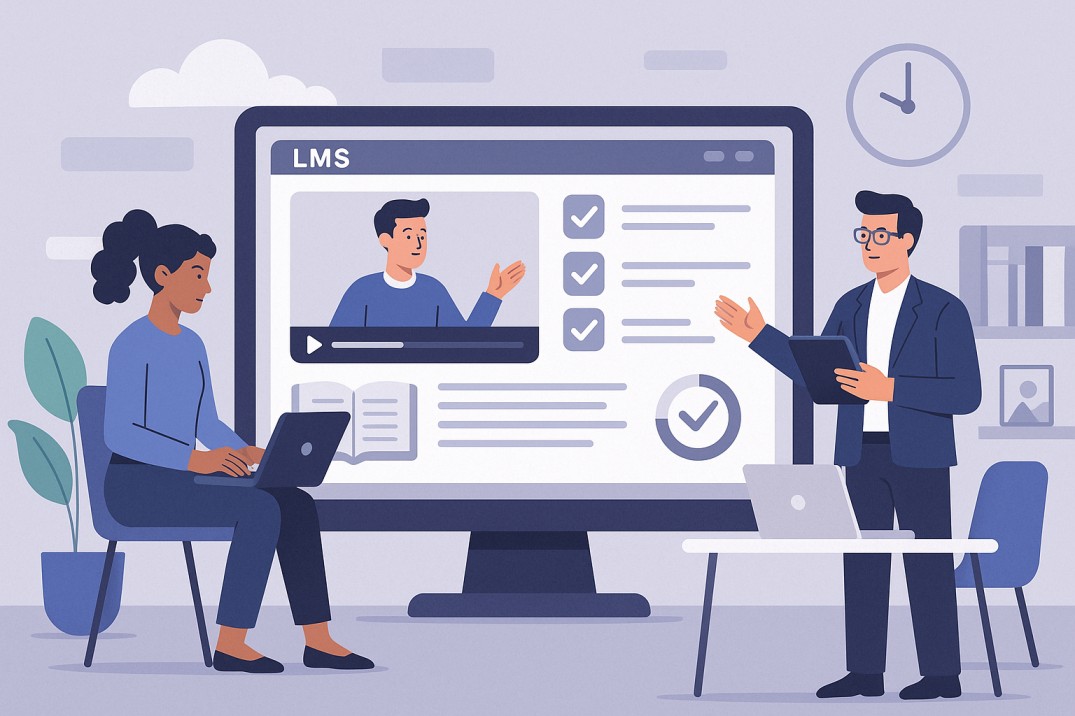
Modern LMS platforms function as flexible intuitive scalable digital learning solutions which extend beyond simple module hosting capabilities. The platforms are transforming employee learning methods while enhancing their skills for business performance improvement. And for companies working with a software modernization company to revamp outdated systems, integrating a next-gen LMS is often one of the most impactful upgrades they can make.
Organizations experience increasing demand for employee training software because their workforces are transitioning to digital and decentralized models.
Why the Legacy LMS Is Holding You Back
The creators of Legacy LMS platforms developed their systems for a time when training occurred rarely and instructors delivered lessons while employees needed to be physically present. These systems presented difficulties in updating themselves while offering minimal analytical capabilities and little adaptability.
Modern LMS platforms exist to provide organizations with agile operational capabilities. The platforms provide:
- Microlearning capabilities
- Mobile access
- Gamification features
Data analytics to enhance personalized learning experiences.
Impact: Modern LMS systems implemented by companies result in:
- A 40% boost of employee involvement
- 35% faster new hire onboarding
(According to Docebo research)
The enhancement of experience through these systems results in concrete business advantages.
Meeting the Needs of the Modern Workforce
The workplace requirements of contemporary employees have evolved since the past. Younger workers who now represent the majority of the global workforce require:
- Flexible work arrangements
- Self-directed learning opportunities
- Continuous skill advancement
Learning now extends beyond initial employment weeks to form an ongoing professional development process.
Modern LMS platforms offer multiple features:
- Accessibility: Learning materials are available anytime, anywhere, on any device.
- Personalization: AI-powered systems recommend courses based on job role, skill gaps, and career aspirations.
- Interactivity: Interactive videos, quizzes, and simulations drive engagement.
- Analytics: Administrators can track learner progress, identify roadblocks, and optimize content.
Examples: Unilever and Salesforce have implemented these principles into their business operations.
Salesforce uses its Trailhead platform to deliver ongoing skill development for both employees and customers through a simple learning environment that combines product instruction with soft skill instruction.
LMS for Employee Development: Not Just Training, But Growth
Modern learning management systems function as more than just compliance tools in today’s educational environment.
The platform serves as a fundamental element which organizations use to:
- Develop their talent
- Manage the full employee journey
- From new hire orientation to:
- Skill enhancement
- Leadership advancement
- Leadership succession programs
- Skill enhancement
Insight:
A survey from LinkedIn’s 2024 Workplace Learning Report shows:
- 94% of employees would remain at their current company if their employer dedicated resources to learning development.
Toward Perpetual Learning and the Future Workforce
The evolution toward perpetual learning demonstrates how businesses now see talent through a new lens.
Modern organizations aim to construct teams ready for the future — not just filling positions.
The LMS platform for employee development enables:
- Allowing self-directed learning
- Supporting career pathway planning
- Integrating with performance management tools
- Encouraging collaboration and knowledge sharing
Case in Point: IBM
IBM has long championed digital learning. The company enables its employees to access more than 170,000 AI-driven online courses through its learning ecosystem.
Results:
- Higher engagement
- Faster skill acquisition
- Improved internal mobility
The Future of Workplace Learning Is Now
Digital learning platforms gained widespread acceptance because of the COVID-19 pandemic yet this trend shows no signs of reversing.
Modern LMS systems create new learning experiences by doing more than converting traditional manuals into digital formats.
Key Trends Shaping the Future of Learning:
- AI & Machine Learning: Recommend content, adjust learning paths, automate grading
- VR & AR: Immersive training, hands-on skills development
- Social Learning: Forums, peer reviews, mentorship programs
- Skills-Based Development: Focus on competencies, not job titles
A contemporary LMS enables organizations to:
- Utilize all available modern learning technologies
- Adjust based on organizational requirements
- Merge with full HR and IT systems infrastructure
Why Integration Matters?
Modern LMS effectiveness depends on integration within a complete digital ecosystem.
Top platform integrations include:
- Human Resource Information Systems (HRIS)
- Customer Relationship Management (CRM) tools
- Performance management systems
- Communication platforms like Slack or Microsoft Teams
Benefit:
- Enables full employee development view alongside performance
- Managers can assign training directly from workflows
Choosing the Right Digital Learning Platform
Businesses must exercise caution when selecting an LMS vendor from many options.
Leading Platforms:
- Cornerstone OnDemand
- SAP SuccessFactors
- Docebo
- TalentLMS
Key Factors to Consider:
- Scalability: Can it grow with your team?
- User Experience: Intuitive for learners and admins?
- Mobile Capabilities: Learning on the go?
- Customization: Reflect your brand and culture?
- Reporting: Quality of data insights?
A software modernization company helps integrate LMS with existing infrastructure while maintaining:
- Security
- Data standards
Employee Training Software That Pays Off
Though initially expensive, a strong LMS investment offers major ROI.
IBM research finds:
- $30 in productivity gains for every $1 spent on online training.
Why:
- Relevant training
- Faster learning
- Better information retention
- Boosted motivation
Continuity:
Digital training ensured continuity during the pandemic, enabling:
- Ongoing onboarding
- Skill development
- Team engagement
Moving Forward: It’s Time to Upgrade
Work has evolved. Training must evolve too. Outdated methods create inefficiencies and competitive disadvantages.
Modern LMS platforms provide:
- Adaptable learning experiences
- Individualized, scalable training
- Strategic data insights
- A strong asset for onboarding and AI-training
Make the Smart Move
Partnering with a software modernization company to upgrade your LMS is:
- One of the smartest business decisions this year
- Whether you’re a growing startup or a digitally transforming enterprise
Measuring the Impact of Learning Initiatives
As organizations invest in modern Learning Management Systems (LMS), it becomes critical to measure how these platforms influence real business outcomes. In the past, training programs were often evaluated based solely on completion rates or participant satisfaction surveys. However, these metrics offer limited insight into whether learning initiatives drive performance, improve productivity, or support strategic goals.
Modern LMS platforms enable much more sophisticated measurement strategies by capturing data across every touchpoint of the learning experience. With advanced analytics, organizations can now connect training activities to business outcomes such as employee retention, sales growth, customer satisfaction, and operational efficiency.
Key Metrics to Track
To understand the effectiveness of learning programs, organizations should track both learning metrics and business performance indicators. Examples include:
- Learner Progress and Engagement: Module completion rates, time spent on tasks, and participation in discussions or simulations.
- Knowledge Retention: Assessment scores before and after training, as well as long-term recall performance.
- Skill Application: Behavioral changes observed in day-to-day tasks, tracked through manager feedback or performance systems.
- Employee Mobility and Growth: Promotions, lateral moves, and participation in leadership development programs.
- Business KPIs: Improved customer service ratings, sales growth in trained teams, reduced error rates in operations.
Linking Training to ROI
The most mature organizations go a step further by linking LMS data to organizational KPIs using tools like data dashboards, business intelligence platforms, or integrated HR analytics. For example, if customer service representatives undergo product training and subsequently resolve issues faster or increase customer satisfaction scores, the learning program’s impact becomes quantifiable.
This approach transforms learning from a cost center into a measurable driver of value creation. It also allows leaders to optimize programs—adjusting content, delivery methods, or audience targeting to maximize ROI.
The Road Ahead: Learning as a Strategic Lever
Organizations that measure their learning outcomes can make more informed decisions about workforce development. They can scale what works, phase out what doesn’t, and align training investments directly with business priorities.
In a competitive landscape where agility and innovation define success, leveraging LMS analytics isn’t just helpful—it’s essential. Companies that measure what matters in learning will be better equipped to adapt, grow, and lead in the future of work.
Final Thought
The contemporary workforce requires learning experiences that match the present era. The future of workplace learning is present — and ready to be led by you.