
Sexual harassment training is a vital part in shaping a conducive working environment that is free from cases of sexual harassment. In this context, a small business must determine whether sexual harassment training is federally or state-mandated, as legal liability mitigation and the significance of sexual harassment depend on this factor. In addition, the article touches on sexual harassment, its training requirements, unique characteristics, legal compliance, and solutions, all in relation to federal and state mandates.
Key Takeaways
-
While federal laws mandate workplace harassment training for contractors with 50 or more employees, some states impose even more stringent requirements that affect smaller businesses.
-
So, we’ve got to focus on risk management training as central—because, well, it’s!
-
Coggno provides a range of workplace harassment training options that can be customized—though some exceptions may apply—to match both federal and state standards.
-
In certain areas, the obligation hinges on the number of employees a company has (in most cases). This is big. What does this mean in practice? In several jurisdictions, virtually every employer must complete this training at least annually or every six months, regardless of size.
-
These training materials need to be engaging—covering core topics such as definitions, complaint processes, and prevention strategies — to meet the minimum legal requirements. Ignore these rules; you’ll face costly lawsuits, hefty fines, and a damaged reputation—it’s not worth it.
Quick Picks: Top Sexual Harassment Training Solutions for Small Businesses
| Provider | Compliance Coverage | Format | Pricing | Best For |
|---|---|---|---|---|
| Coggno | Federal & State Compliant | Online, Interactive | Affordable subscription | Small businesses, flexible learning |
| EverFi | State-specific updates | Online, Mobile-friendly | Mid-range | Organizations needing certified tracking |
| HR University | Federal & select state laws | Online, Self-paced | Budget-friendly | Businesses with limited budgets |
| Skillsoft | Broad compliance coverage | Online, Video-based | Premium | Larger SMBs need comprehensive content |
| LinkedIn Learning | General harassment awareness | Online, On-demand | Subscription-based | Small teams seeking basics |
Problem Framing: Why Sexual Harassment Training is Critical for Small Businesses
Workplace Harassment: An Ongoing Challenge. Workplace harassment remains an issue that, in many respects, affects nearly every organization in the U.S. The training and compliance environment for it needs to be addressed—not just to keep your head above water, but to maintain a secure and healthy work environment. As a small business owner, one can’t turn a blind eye to this fact—proper, though not universal, training really does make all the difference.
Specifically, when businesses avoid their training duties, they put themselves in an awkward position and, again, generally fail to comply with the rules and regulations. Not all small businesses have access to an HR department and/or legal representation. They might feel overwhelmed by the number of rules. They might feel they need very little training, or, who knows, they might avoid training altogether.
Legal challenges can arise unexpectedly. It could make a huge difference. They often come with lawsuits or hefty fines—things that can hurt a company’s image (not a huge surprise)—, and that’s just the beginning of the trouble. When employees complete this training, they understand what unacceptable behavior looks like (which helps a lot). Federal law establishes minimum standards, but some state laws add more requirements (on the whole) requirements, such as detailed stats or additional training sessions. The result helps create a better work vibe. Small business owners need to understand how these requirements and laws affect their day-to-day operations (not always easy).
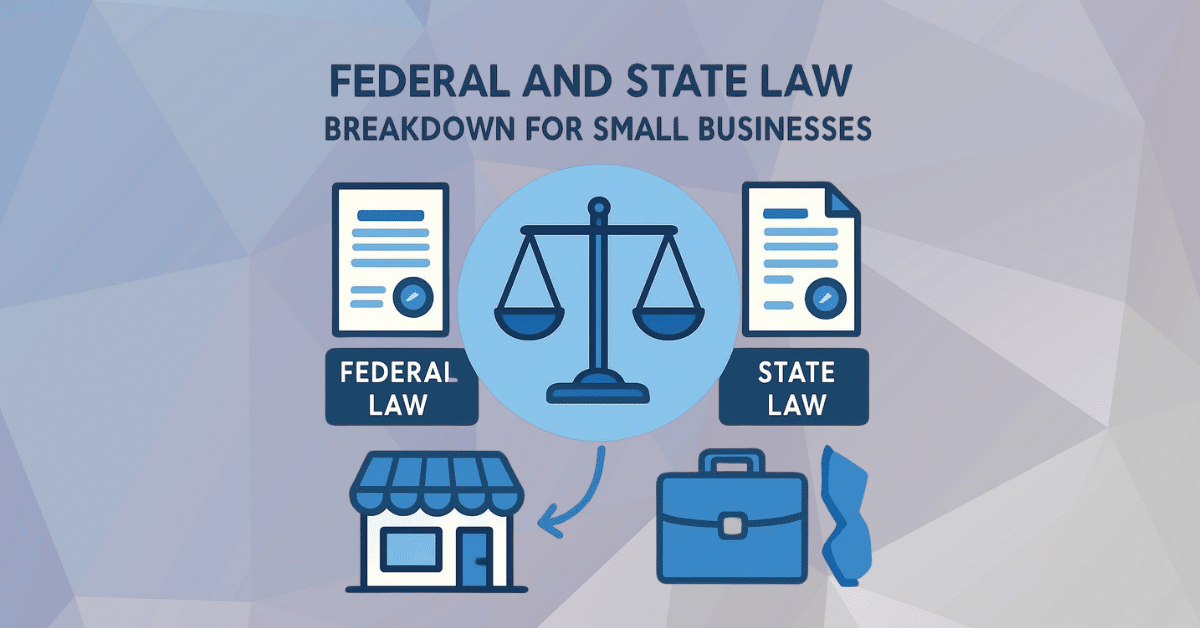
Federal and State Law Breakdown: When is Sexual Harassment Training Mandatory?
Federal Mandates
Workplace harassment remains a pervasive issue across nearly every industry in the U.S. This confusion may lead to a significant underestimation of the training needed or to inadequate training. Small businesses, lacking the resources of an in-house HR department or legal counsel, often find themselves puzzled by the requirements.
Ignoring workplace harassment training rules can have serious consequences; yet these effects don’t just hurt workplace safety—they could also (to some extent) cause legal trouble—fines or lawsuits, for example —and the company’s reputation could take a hit. And when employees receive effective training, they begin to spot inappropriate actions (which is vital) that contribute to creating a healthier work environment.
It’s key for smaller companies to get the hang of how federal and state laws intersect—there are exceptions, after all. Federal law’s the backbone—and state laws? State standards may be more flexible, which could affect employee headcount or training session frequency. They add their own twists; still, small-business owners need to dive into this mix and find solid training programs.
State-Specific Mandates
| State | Employee Threshold | Frequency | Notes |
|---|---|---|---|
| California | 5 or more | Every 2 years | Requires interactive training for all supervisors and employees |
| New York | 1 or more | Annually | Mandatory for all employers; must be interactive |
| Connecticut | 3 or more | Annually | Covers all employees; must meet state guidelines |
| Delaware | 50 or more | Annually | Applies to all employers with 50+ employees |
| Illinois | 1 or more | Annually | Training within first 90 days; applies to supervisors |
| Maine | 15 or more | Annually | Required for all employees |
| Washington | 1 or more | Annually | Comprehensive training required |
| Nevada | 50 or more | Annually | Required for supervisors |
Note: Many other states have enacted comparable laws. A few impose stricter requirements regarding the frequency or extent of mandated training, including procedures for filing complaints or strategies for bystander intervention.
Features Checklist: What to Look For in Sexual Harassment Training for Small Businesses
| Feature | Benefit | Details |
|---|---|---|
| Compliance with Federal & State Laws | Avoids penalties | Adapts to state-specific requirements |
| Interactive Learning Modules | Increases engagement and retention | Quizzes, scenarios, real-world examples |
| Clear Definitions & Examples | Improves understanding | Case studies and detailed explanations |
| Reporting Procedures & Resources | Enables safe reporting | Step-by-step guidance |
| Bystander Intervention Strategies | Encourages proactive action | Role-play exercises |
| Multilingual Support | Supports diverse workforce | Multiple language options |
| Certification & Record-Keeping | Provides proof of compliance | Automated tracking |
| Mobile-Friendly Accessibility | Enables flexible learning | Works on phones and tablets |
Why Choose Coggno for Your Sexual Harassment Training?
Coggno’s a top pick for smaller companies (broadly speaking) that want thorough, legally compliant training.
They create training using scenario-based modules, quizzes, and real-life examples (which makes sense), making it relatable.
This is key. That matters—but your business stays compliant—no matter where you are, right? The platform automatically updates training content to reflect changes in state and federal laws.
Plus, employees can access training materials anytime—they’ve got that online, self-paced format. Worth noting. This kind of flexibility leads to better outcomes—without excessive downtime, don’t you think?
Coggno has a pricing model that fits small businesses’ budgets—offering plans that give you access to a range of courses covering more than workplace harassment.
Employers get detailed reports and certificates of completion that boost audit effectiveness (which helps a lot)—making record-keeping way easier.
With Coggno’s solution, smaller firms can significantly reduce risk, build a respectful culture, and ensure timely compliance with legal requirements.
Call to Action
Protect your small business from legal challenges—and build a (not In most cases the case) respectful workplace culture—with the right harassment training; however, take the first step to really grasp the benefits of this training—sign up for Coggno’s participatory courses that cater to smaller businesses and meet state laws. Check us out today—we’re offering flexible pricing options that might just work for you. Log in to Coggno.com for more information.
References
U.S. Equal Employment Opportunity Commission (EEOC) – Sexual Harassment:
California Department of Fair Employment and Housing (DFEH):
New York State Division of Human Rights – Sexual Harassment Prevention
Connecticut Commission on Human Rights and Opportunities:
Society for Human Resource Management (SHRM) – Sexual Harassment Training Requirements
Coggno Sexual Harassment Training
This overview offers a closer look at how small business owners can navigate the increasingly complex landscape of workplace harassment training requirements. It’s important not only to meet legal safety obligations but also to build a healthy, productive workplace culture.
FAQ
Do All Small Businesses Really Need to Worry About Workplace Harassment Training?
Training requirements vary widely. At the federal level, rules mainly apply to contractors with 50 or more employees. However, many states have their own harassment training laws that can apply to businesses with fewer than five employees. In some cases, even companies with just one employee may be required to provide workplace harassment training.
How Often Should Businesses Run Training Sessions on Harassment?
Training frequency depends on state regulations. For example, California and New York require regular training—typically annually or every two years. Training is also often required for new hires and when employees are promoted, though exact requirements may vary by state.
Can You Conduct Workplace Harassment Training Online?
Yes. Many states allow online training as long as it meets their guidelines for content and interactivity. Online options are especially useful for small businesses looking for flexible, cost-effective ways to meet compliance requirements.