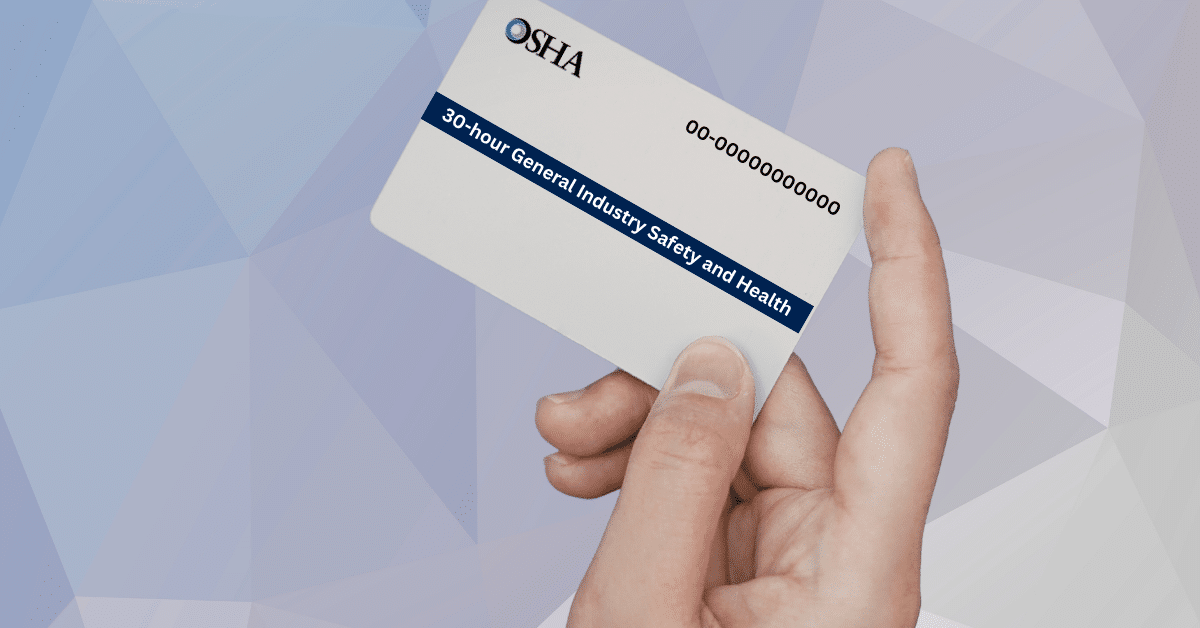


Most people don’t expect to fail a section of OSHA-30. You sit down, click through a few modules, feel like you understand it well enough, then the quiz result pops up, and it’s lower than expected. That moment can feel heavier than it should. It’s easy to assume you’ve just set yourself back or messed something up.
But here’s the reality. Failing part of OSHA-30 is actually pretty common, especially with longer courses that cover a lot of ground. It doesn’t mean you’re not capable, and it definitely doesn’t mean you’ve failed the whole program.
If you’re asking what happens if you fail part of the OSHA-30, the answer is simple. You’re still in the course. You just need to go back, review, and try again with a better grasp of the material.
What Happens If You Fail Part of the OSHA-30
Failing a section usually means you didn’t hit the required passing score on a quiz. That’s it. It doesn’t cancel your progress or kick you out of the course. Most online platforms are built to expect this and give you another shot.
You’ll typically be prompted to review the lesson again before retaking the quiz. That’s not just a formality. It’s there to help you catch what you missed the first time. Sometimes it’s a small detail, other times it’s a concept that didn’t fully land yet.
There are limits, though. Most providers allow a set number of attempts. If you burn through those too quickly by guessing or rushing, you might have to repeat the module. That’s why pacing matters more than people think.
Why People Fail OSHA-30 Sections
It’s rarely about intelligence. Most of the time, it’s about how the course is approached.
A lot of workers try to push through multiple modules in one sitting, especially after a long day. Fatigue kicks in, attention drops, and small details get missed. That’s often enough to pull a score below passing.
Some topics also take more effort to absorb. Sections like electrical safety or lockout/tagout (LOTO) involve procedures and scenarios that aren’t always intuitive if you haven’t worked with them directly. If you rush those, it shows up in the results.
What To Do After You Fail a Quiz
The instinct is usually to click “retake” right away. That’s where people trip themselves up.
It helps to pause and go back through the material properly. Look for the parts you skimmed or assumed you already understood. Even reading it one more time with fresh attention can make a difference.
Here’s what tends to work better:
- Step away for a few minutes before retrying
- Re-read the full section, not just summaries
- Think about how the topic applies in real work situations
- Avoid guessing your way through the next attempt
You’re not trying to beat the system. You’re trying to understand it well enough that the answers make sense.
How Retakes Actually Work
Most online platforms expect you to need more than one attempt. That’s why retakes are built in.
In a typical OSHA-30 training course, you’ll get several chances to pass each quiz. The passing score is usually around 70 percent. If you don’t hit that, you review and try again.
Some providers shuffle the questions each time. That prevents memorizing answers and pushes you to actually understand the material. It might feel inconvenient, but it works in your favor long term.
When You Might Have to Repeat a Section
If you use up all your attempts without passing, the system may require you to restart that module. It’s not ideal, but it’s also not the end of the world.
Going through the section again with more focus usually clears things up. Most people who repeat a module once don’t have to do it again.
In rare cases, if access expires or provider rules are strict, there could be additional steps or costs. That’s why it helps to take each attempt seriously instead of treating early tries casually.
How The Course Is Meant To Be Taken
OSHA-30 isn’t meant to be rushed. It’s built around real-world situations where missing details can lead to real consequences.
Topics like HazCom (hazard communication), PPE (personal protective equipment), and slips, trips & falls come up again and again because they’re common causes of workplace injuries. The course repeats and reinforces these areas on purpose.
If you treat it like something to get through quickly, it becomes harder than it needs to be. If you treat it like something you might actually use tomorrow, it starts to click.
OSHA-10 vs OSHA-30 Difficulty
If you’ve taken the OSHA 10-hour training, OSHA 30-hour training can feel like a step up. It covers more detail and expects more attention.
That doesn’t mean it’s overly difficult. It just means it asks more from you. The added depth is there because OSHA-30 is often tied to roles with more responsibility.
Some people eventually move from OSHA-10 into an OSHA-30 training course as their role grows. The difference between the two becomes clearer when you see how much more context OSHA-30 provides.
Other Training That Supports OSHA-30
In many workplaces, OSHA-30 isn’t the only safety training you’ll encounter.
You may also see:
These build on the same foundation. OSHA-30 introduces the bigger picture, and these programs fill in the details based on the job.
What Happens After You Pass Everything
Once you complete all modules and pass the quizzes, you move on to certification. That’s when people usually start asking how do you get your OSHA-30 DOL card.
After finishing the course, your provider processes your completion. You’ll often get a temporary certificate first, then the official card is mailed out.
That card is what employers typically want to see. It confirms that you’ve completed the training and met the required standards.
Why This Matters For Real Work
This isn’t just about passing quizzes. It connects directly to how companies approach OSHA compliance and day-to-day operations.
When workers understand the material, they’re more likely to catch issues early and speak up when something doesn’t look right. That’s what improves workplace safety over time.
That’s also where OSHA compliance training fits in. It’s not just a one-time requirement. It shapes how people think and act on the job.
Simple Ways To Avoid Failing
You don’t need a complicated strategy to do well in OSHA-30. Small adjustments go a long way.
- Don’t stack too many modules in one sitting
- Take short breaks between sections
- Focus fully instead of multitasking
- Review before retaking a failed quiz
Most people who slow down end up finishing faster because they don’t have to redo sections.
Closing Thoughts
Failing part of OSHA-30 feels bigger than it actually is. It’s just part of the process for a lot of people.
What matters is how you handle it. If you slow down, review properly, and take the material seriously, you’ll move through it without much trouble.
The goal isn’t just passing. It’s walking away with something you can actually use when the job gets real.
FAQ
Wondering What Happens If You Fail Part of the OSHA-30 Course Online?
If you’re asking what happens when you fail part of OSHA-30, the short answer is that nothing drastic happens. You don’t lose your progress or fail the entire course. You simply didn’t pass that specific quiz. Most platforms let you review the material and try again. It’s built to help you improve, not punish you for one missed attempt.
Trying To Understand If Failing One Section Means You Fail Everything?
If you’re worried that failing one section means the whole course is done, that’s not how it works. Failing a quiz only affects that module. You still keep your progress in the rest of the course. You just need to go back, review the content, and pass that section before moving forward. It’s a setback, not a reset.
Curious About How Many Times You Can Retake an OSHA-30 Quiz?
If you’re wondering how many retakes you get, most courses allow multiple attempts. The exact number depends on the provider, but you won’t be limited to just one try. If you don’t pass, you can review the lesson and take the quiz again. The limit is there to prevent guessing, but it’s usually more than enough if you take your time.
Asking Whether You Need To Pay Again If You Fail a Part?
If you’re thinking about whether failing means paying again, the answer is usually no. Most providers don’t charge extra for a failed quiz. You can retake it within the course. You might only run into extra costs if you exceed all attempts or let your access expire. That’s why it helps to pace yourself and not rush through.
Want To Know If Failing Affects Your OSHA-30 Certification?
If you’re asking whether failing impacts your certification, it doesn’t as long as you eventually pass everything. Your final record shows that you completed the course, not how many attempts it took. Once you finish all modules and meet the requirements, you’ll still receive your certificate and official card like anyone else who passed.