
A few years ago, I watched a new guy step onto a job site for the first time. He wasn’t careless. He was just unsure. He moved slower than everyone else, looked around a lot, and hesitated before using the equipment. Not because he didn’t want to work, but because he didn’t fully know what to look for.
That’s the gap OSHA-10 is built to close.
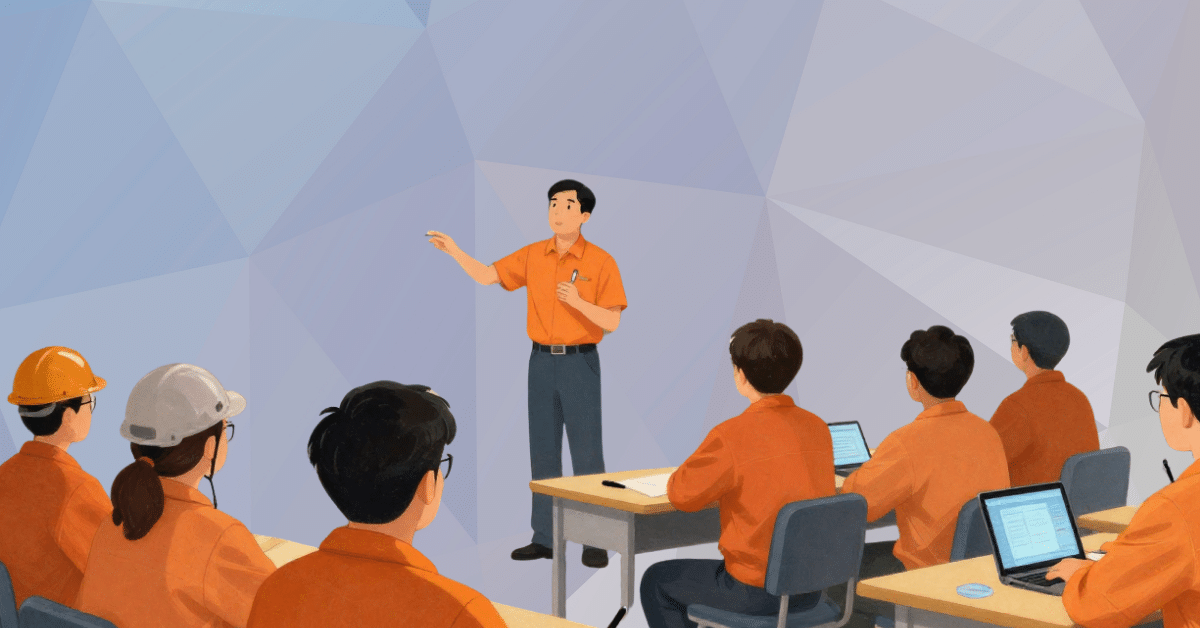
The program is not there to turn someone into a safety expert. It’s there to help workers see things differently. Small risks that used to blend into the background start to stand out. And once you see them, you don’t move the same way anymore. That’s really what sits behind what is the purpose of the OSHA-10 program. It’s about awareness that sticks during real work, not just during training.
Understanding OSHA And Why It Exists
OSHA stands for the Occupational Safety and Health Administration. Most people hear the name long before they understand what it actually does.
When someone asks what OSHA means, they’re usually asking why there needs to be an agency like this at all. The answer is pretty simple. Workplaces can be unpredictable. Equipment fails, people rush, environments change. OSHA exists to reduce how often those things turning into injuries.
But OSHA does not just write rules. It leans heavily on education. Because rules only work when people understand them, and more importantly, when they recognize why they matter in the moment.
That’s where OSHA-10 comes in. It acts as the introduction. Not a full system, just the first layer.
What Is The Purpose Of The OSHA-10 Program
If you strip it down, the purpose of OSHA-10 is to help workers notice risk before it turns into something worse.
It’s not trying to cover every regulation or prepare someone for management. It’s giving people a way to read their environment better. Once that clicks, a lot of unsafe habits start to fade on their own.
Here’s what that purpose looks like in practice:
- Spotting Hazards Earlier
- Workers begin to recognize things like unstable surfaces or exposed wiring
- Small issues get noticed before they build into bigger ones
- Changing Daily Behavior
- People pause more often before acting
- There’s less guesswork and more awareness behind decisions
- Building Confidence
- Workers feel more comfortable calling out unsafe conditions
- They stop second-guessing whether something is “worth mentioning.”
- Creating Consistency
- Teams start speaking the same safety language
- Expectations feel clearer across the board
It’s not dramatic. That’s the point. The program works quietly, through better habits.
Why Awareness Matters More Than Most People Think
A lot of safety conversations focus on gear. Helmets, gloves, harnesses. All of that matters, but it only works when people understand what they’re protecting against.
Without awareness, safety equipment becomes routine instead of intentional. People wear it because they’re told to, not because they understand the risk behind it.
OSHA-10 shifts that. It connects the action to the reason. Suddenly, wearing protective gear is not just following a rule. It’s avoiding something very real.
That shift might seem small, but it changes how people approach their work. They stop going through motions and start paying attention.
How OSHA-10 Shows Up During a Workday
You don’t really notice OSHA-10 during training. You notice it later, when you’re in the middle of work.
It shows up in small pauses. A worker checks a ladder before climbing. Someone reroutes a cord instead of stepping over it. A team stops for a second because something feels off.
Those moments don’t feel like “training.” They just feel like decisions. But they’re shaped by what the person learned earlier.
That’s where OSHA-10 training earns its value. Not in the classroom, but in the split-second choices people make when nobody is reminding them what to do.
What The Program Covers Without Overcomplicating It
OSHA-10 keeps things practical. It focuses on hazards that recur across job sites.
You’ll usually see topics like:
- Falls and working at heights
- Electrical risks
- Personal protective equipment
- Tool and machine safety
- Hazard communication
- Basic emergency awareness
None of these are rare situations. They’re everyday risks. That’s why they’re included.
The training does not try to overwhelm people with technical detail. It keeps the focus on recognition and response. What does this look like, and what should I do about it?
That simplicity is what makes it stick.
Who The OSHA-10 Program Is Really For
OSHA-10 is usually aimed at people who are still building their experience. New hires, entry-level workers, or anyone stepping into a job where safety risks are part of the environment.
That often includes:
- Construction crews
- Warehouse workers
- Manufacturing staff
- Maintenance teams
- Temporary or seasonal workers
These roles share one thing. The environment can change quickly. And when things change quickly, awareness becomes more important than memorization.
For someone new, the job site can feel like a lot all at once. OSHA-10 helps make sense of it. Not perfectly, but enough to move with more confidence.
Why Employers Lean On OSHA-10
From an employer’s perspective, OSHA-10 creates a baseline. It’s a starting point that helps reduce variability between workers.
Without that baseline, safety depends too much on who trained whom, or what someone happened to pick up along the way. That can get inconsistent fast.
Training brings some structure to it. It doesn’t fix everything, but it reduces the unknowns.
There’s also a practical side. Fewer accidents mean fewer interruptions. Less downtime. Fewer situations where one mistake affects an entire crew. That’s not just about compliance. It’s about keeping operations steady.
Where OSHA-10 Fits And Where It Doesn’t
It helps to be clear about this. OSHA-10 is not the full solution.
It does not replace hands-on training. It does not cover every job-specific risk. And it does not turn someone into a safety leader overnight.
What it does is give people a starting point. Without that, everything else becomes harder to build.
Think of it like learning how to drive. You don’t start on a highway. You start with the basics. Awareness, control, and understanding of your surroundings. OSHA-10 works the same way.
Real Situations Where It Makes a Difference
You see the purpose of OSHA-10 more clearly when you think about real situations.
A worker notices a missing guardrail and stops instead of stepping forward. Another points out a blocked exit instead of assuming someone else will handle it. A team slows down because something doesn’t feel right.
These are not big headline moments. They’re ordinary. That’s exactly why they matter.
Most incidents don’t come out of nowhere. They build from small things that get ignored. OSHA-10 helps people stop ignoring them.
Common Misunderstandings About OSHA-10
Some people think OSHA-10 is only for construction. It’s not. The principles apply anywhere people deal with physical risk.
Others think it’s just a requirement. Something you complete, get a card for, and move on. That can happen, but it misses the point.
Another misconception is that it’s too basic to matter. But in safety, basic awareness often prevents real injuries. Knowing what to look for is not advanced, but it is effective.
Getting More Out Of The Training
The course itself is just one part of the process. What happens after matters more.
A few simple things can extend its impact:
- Bringing up safety topics during regular team discussions
- Encouraging workers to speak up without hesitation
- Connecting real incidents back to training concepts
- Letting experienced workers guide newer ones
These are not complicated steps. But they keep the ideas active instead of letting them fade.
When that happens, safety becomes part of the work, not something separate from it.
Why The OSHA-10 Program Still Holds Its Value
Workplaces move faster now. Expectations are higher. Deadlines are tighter. All of that increases pressure.
And pressure is where mistakes tend to show up.
That’s why OSHA-10 still matters. It helps workers slow down just enough to notice what’s around them. Not in a way that stops productivity, but in a way that prevents avoidable problems.
It doesn’t eliminate risk. Nothing does. But it reduces how often risk goes unnoticed.
Closing Thoughts
The purpose of the OSHA-10 program is not complicated when you step back from the wording.
It teaches people to see.
See the loose cable. See the unstable surface. See the situation that doesn’t feel quite right. And then act on it.
That kind of awareness doesn’t come from rules alone. It comes from understanding what those rules are trying to prevent.
And once that understanding is there, work changes a little. It becomes more intentional. More aware. Less reactive.
That’s where OSHA-10 does its job.
FAQ
What Is The Purpose Of The OSHA-10 Program For Workers?
The purpose of the OSHA-10 program for workers is to help them recognize hazards before they turn into incidents. It gives them a basic understanding of what to watch for and how to respond. For many workers, especially those new to a job site, that awareness helps reduce hesitation and improves decision-making during everyday tasks.
What Is The Purpose Of The OSHA-10 Program In High-Risk Jobs?
In higher-risk jobs, the purpose of the OSHA-10 program is to build a stronger awareness of common dangers like falls, equipment hazards, and electrical risks. These environments change quickly, and small mistakes can have serious outcomes. The training helps workers stay alert and make safer choices even when things are moving fast.
What Is The Purpose Of The OSHA-10 Program For Employers?
For employers, the purpose of the OSHA-10 program is to create a consistent starting point for safety across the team. It helps reduce confusion and sets shared expectations. While it does not replace on-site training, it supports a more stable work environment where workers are more likely to notice and report hazards early.
What Is The Purpose Of The OSHA-10 Program Compared To OSHA 30?
The purpose of the OSHA-10 program is focused on awareness for workers, while OSHA 30 is aimed at supervisors who manage safety responsibilities. OSHA-10 introduces core ideas and basic hazard recognition. OSHA 30 goes further into leadership, compliance, and managing risks across a team or job site.
What Is The Purpose Of The OSHA-10 Program If Safety Rules Already Exist?
Even when safety rules are already in place, the purpose of the OSHA-10 program is to help workers understand those rules in a practical way. Policies alone do not always change behavior. Training connects the rules to real situations, making workers more likely to notice risks and follow safety practices consistently.