
When you think of HR, what first comes to mind? The hiring process, yes, the reward systems and training procedures, sure. But what else? Yes, compliance, that’s exactly right. In this day and age, compliance is more critical than ever.
Companies in the US are using human resource (HR) audit checklists to make sure that they’re in line with all protocols, laws and regulations. With the rise of digital work, it’s no surprise that labour laws are changing daily, often finding it difficult to keep up with the seemingly never-changing work world.
The U.S. Department of Labor administers over 180 million federal employment laws across the entire country. This massive figure should show you just how nuanced work is. Therefore, HR audit checklists are a must.
At the heart of these checklists are policies, laws and procedures. These can get outdated overnight, which is frustrating for any company but also simply a reality. For managers and owners, staying on top of these changes is tricky.
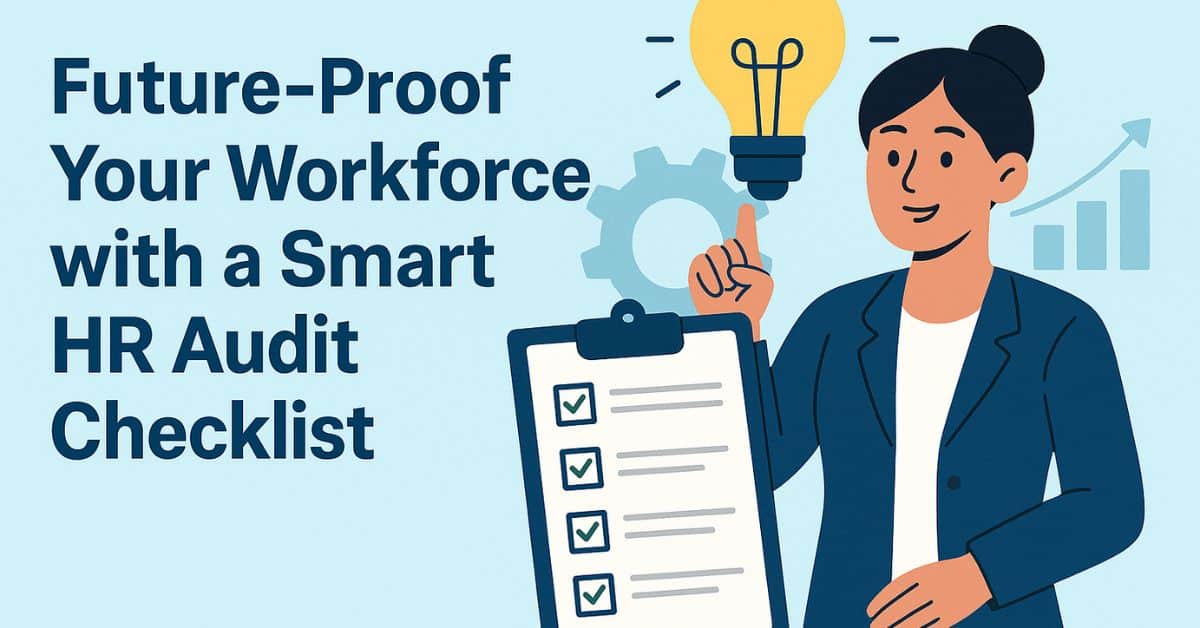
Using a pre-established HR audit checklist from a knowledgeable site, for example Factorial, gives you all the background you need, plus some tips on how to future-proof and make sure you’re on top of HR related topics. By the way, this doesn’t just help with compliance; it’s also a critical step for strategic workforce management.
From Rules to Results: Why Compliance Is Only the Beginning
Every HR audit begins with compliance for a reason, it’s the foundation of any well-run business. If your company isn’t compliant with state and federal regulations, you risk fines, lawsuits or even damage to your reputation. But beyond that, compliance represents something deeper: fairness, accountability and trust between you and your employees.
In the US, compliance means navigating a patchwork of laws that can vary dramatically depending on where your business operates. You’re not just dealing with the Fair Labor Standards Act (FLSA) or the Family and Medical Leave Act (FMLA). You’re also looking at state-level requirements, wage transparency laws, paid leave mandates and anti-discrimination policies that differ from one jurisdiction to another.
An HR audit checklist helps you make sense of all that. It gives you a structured way to evaluate whether your policies, contracts and procedures align with these evolving regulations. But more importantly, it allows you to identify potential risks before they turn into costly problems.
Areas often reviewed in a compliance-focused audit include:
- Employee classification (exempt vs. non-exempt)
- Wage and hour compliance
- Equal employment opportunity practices
- Recordkeeping and data protection
- Benefits and leave administration
- Safety and workplace policies
These bullet points above become critical when you think that the U.S. Equal Employment Opportunity Commission (EEOC) received 73,485 workplace discrimination charges in 2022 alone, which is astronomical. To curve this, compliance must be a focus.
Turning Red Tape into a Strategic Edge
You might not think of compliance as exciting but when you approach it strategically, it becomes a powerful competitive advantage.

An HR audit checklist forces you to evaluate not only what’s legally required but also what’s culturally relevant. For example, you might find your employee handbook technically compliant but outdated in tone or policy. Updating it with inclusive language, remote work guidelines or mental health support policies enhances engagement and retention.
Compliance can be turned into retention, right from the get-go, i.e., from onboarding. Strong onboarding programs lead to a 69% higher likelihood of employees staying for three years in the U.S. and companies with formal employee recognition programs see 31% less voluntary turnover. Furthermore, businesses with high levels of engagement see 21% higher profitability, which means that if you treat your staff correctly and ensure all the compliance checklists are ticked, you will be able to create a more loyal and profitable workforce.
Seeing the Bigger Picture by Using Audit Insights to Shape Your Workforce
HR audits aren’t only about finding gaps; they’re about seeing patterns. When you gather and analyze HR data through an audit, you start to notice trends that tell you where your workforce is heading.
By integrating your HR audit checklist into a regular review cycle, you gain a data-driven perspective on your workforce health. This allows you to anticipate staffing needs before they become urgent, identify skills gaps that could slow growth, benchmark compensation to stay competitive and optimize benefits for changing employee priorities.
How Smart Tools Are Reinventing HR Audits in This Digital Evolution
A few years ago, HR audits were manual and time-consuming. Now, technology has changed the process completely. Tools like digital HR management systems, payroll software and compliance dashboards automate much of the legwork, giving you real-time insight into your workforce data. HR tech budgets are on the rise across the U.S., with 55% of companies increasing their HR technology spend. It is said that by 2030, the AI HR technology market size is expected to triple, showing that tech will continue to play a critical role.
These systems don’t just track metrics. They highlight inconsistencies, flag potential compliance issues and simplify documentation for audits.
Building a Culture of Accountability and Transparency
One of the overlooked benefits of conducting HR audits is how they strengthen company culture. A consistent audit process signals to employees that compliance, fairness and growth matter to you.
Transparency builds trust, especially in an era where workers value integrity and openness. If your audit leads to better communication about pay structures, clearer leave policies or more accessible reporting systems, employees will feel more secure and valued.
Preparing for What’s Next: The Audit as a Future-Proofing Tool
The American workforce is evolving faster than ever. Remote and hybrid models are here to stay, automation is reshaping jobs and younger generations are redefining what they want from work.
Think of an HR audit as a snapshot of where your business stands today and a roadmap for where you want to go. It helps you future-proof your organization by identifying areas that need modernization.
Finally, an effective HR audit checklist brings these two goals together. It’s a framework that ensures you’re not only following the rules but also thinking ahead.