
New York workplaces do not lose trust in one dramatic moment. It usually slips away in small scenes people barely talk about later: a joke that went too far and got brushed off, a safety concern met with eye-rolling, a manager who says “my door is open” but checks their phone while someone tries to speak.
I once worked with a Brooklyn operations team where an employee noticed a scheduling pattern that kept hitting the same group with the worst shifts. They raised it once, got told they were “being negative,” and never tried again. Six months later, the issue resurfaced as turnover, morale problems, and a formal complaint. The irony was painful: the fix would have taken one meeting and a small adjustment if the first report had been welcomed.
This article lays out practical steps for building a culture where people speak up early, leaders respond steadily, and problems get handled while they are still manageable.
The Real Reasons People Stay Quiet
Most employees do not stay silent because they do not care. They stay silent because they are doing a quick risk calculation. If the downside feels bigger than the benefit, they keep their head down and focus on getting through the day.
In New York workplaces, that calculation can be shaped by hierarchy, pace, and fear of social blowback. People worry about being labeled “difficult,” losing hours, getting iced out by their team, or being seen as disloyal. Even when retaliation is not explicit, social punishment can be enough to shut reporting down.
Leaders can spot these quiet signals early. Pay attention to where the silence lives: certain departments, certain shifts, certain manager relationships. Silence is rarely random. It usually has a pattern.
Speak-Up Culture In Practice
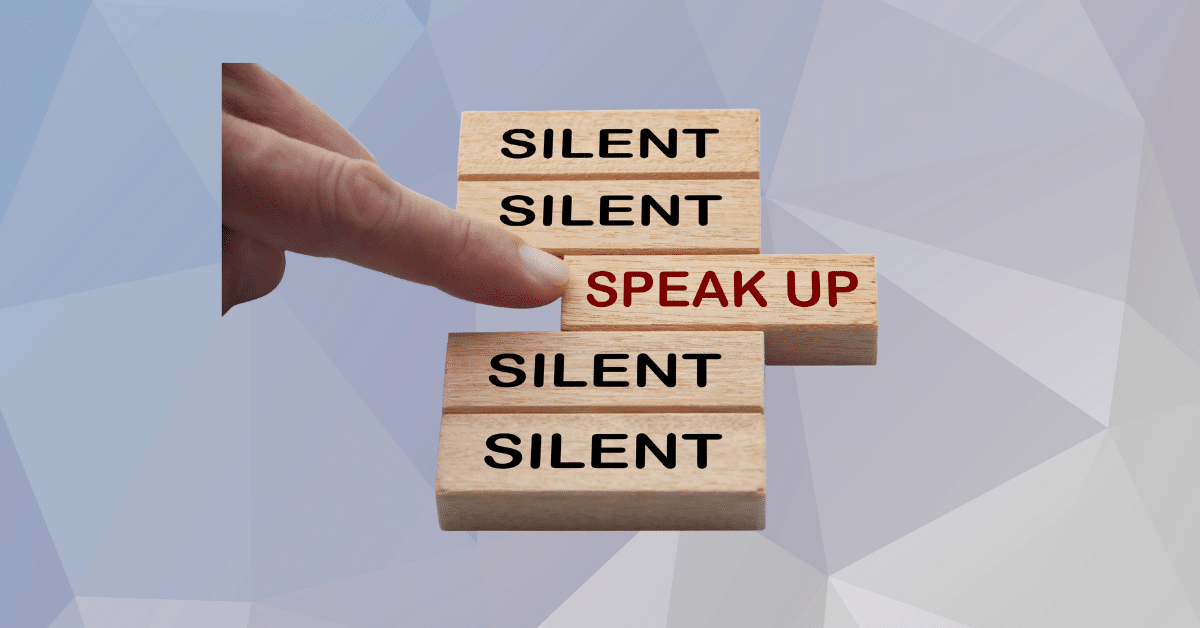
A speak-up culture is not a motivational poster or a single training session. It is the daily proof that raising a concern leads to fair treatment and meaningful follow-through. Employees need to believe two things at the same time: “My voice is welcome,” and “My voice won’t cost me.”
The fastest way to build that belief is to treat early reporting like a gift. When someone brings a concern, they are offering you a chance to fix something before it becomes expensive. If leaders respond with defensiveness, jokes, or delay, employees learn that speaking up is unsafe.
A simple way to define what “speaking up” includes in your workplace:
- Raising a concern about disrespectful behavior, even if it seems small
- Flagging unsafe conditions, shortcuts, or repeated near-misses
- Reporting policy confusion that is causing inconsistent decisions
- Asking for clarity on expectations when feedback feels personal or unclear
Those examples help employees understand that speaking up is not only for emergencies. It is for everyday corrections that keep the workplace healthy.
Build Trust With Fast, Visible Follow-Through
Trust grows when employees see the full loop: report, response, action, and closure. Many organizations do the first two parts and forget the last two. People report something, HR or a manager says “thanks,” and then nothing seems to happen. Silence after a report teaches employees that reporting is a dead end.
Follow-through does not require oversharing. You can protect confidentiality while still showing progress. Even a short update like “We reviewed the concern, reminded the team of expectations, and changed the schedule review process” can restore confidence that the system works.
To make follow-through easier, use a simple internal service standard. For example: acknowledge within 24 hours, begin review within 5 business days, and provide a status update within 10. The exact numbers are less important than being consistent and realistic for your operation.
Create Reporting Paths That Fit How People Work
If the only reporting channel is an email address nobody checks, your system is decorative. Employees need options that match real life: night shifts, field teams, front-line retail, hospital units, food service, or hybrid office schedules.
Good reporting paths are redundant. They do not rely on a single person, platform, or shift. They also reduce barriers for employees who worry about being seen while reporting.
Practical reporting options that work well in New York workplaces:
- Direct manager, with a documented expectation for respectful handling
- Alternate manager, if the report involves the direct supervisor
- HR point of contact with clear availability and response timing
- Anonymous hotline or web form for those who need distance
- Union or employee representative pathway where applicable
After you build the pathways, train leaders to communicate them without pressure. “Here are your options” lands better than “you should come to me.”
Manager Skills That Make Or Break Reporting
Managers are the front door of a speak-up culture. Even if HR has a great process, most employees test the water with their immediate supervisor first. If that interaction goes poorly, they often stop there.
The manager’s job is not to investigate on the spot. Their job is to receive the concern calmly, document what they heard, and connect the employee to the right next step. A manager who reacts with sarcasm, argument, or public correction can shut reporting down for an entire team.
A manager response script that protects the moment:
- “Thanks for telling me. I’m glad you raised it.”
- “I want to understand. Can you walk me through what happened?”
- “Here’s what I can do next, and here’s what I can’t do right now.”
- “I’ll follow up by [specific time]. If anything changes, tell me.”
Then coach managers on one behavior that matters more than it seems: privacy. Difficult feedback in public creates shame. Shame creates silence.
Training As A Reinforcement Loop, Not A Calendar Event
Training helps most when it is tied to actual workplace scenarios employees recognize. People remember stories and patterns, not definitions. New York workplaces can also benefit from short refreshers that match common friction points: team banter, customer interactions, power differences, and after-hours messaging.
This is also where annual harassment training in new york can serve as a useful anchor for the year. Treat it as the moment you reset expectations, practice reporting conversations, and remind staff how non-retaliation works in real terms. When training is framed as “how we do things here,” it feels less like compliance theater.
For organizations operating across state lines, keep your messaging consistent while respecting local requirements. For example, you might reference sexual harassment training nyc as part of a city-specific compliance plan, while still reinforcing one shared reporting culture across the entire company.
Recordkeeping That Protects The Process
A speak-up culture is supported by good documentation. Not paperwork for its own sake, but records that prove consistency. When concerns arise later, your documentation helps show that reports were received, reviewed, and handled in a fair way.
This is where harassment training recordkeeping supports the wider system. Training completion records, course versions, attendance logs, and manager refreshers create a timeline that shows employees were taught the standards and that leadership reinforced them. It also helps you spot gaps: a department that missed training, a manager who has not completed a refresher, or a new supervisor who needs onboarding support.
Keep recordkeeping clean and simple. Use one source of truth, one naming pattern, and one owner for the process. When records are easy to pull, HR can spend more time improving culture and less time hunting down proof.
Handling Reports With Care And Consistency
The way you respond to the first report shapes whether you get the second. People watch how reports are handled, even if they are not involved. If employees see slow responses, gossip, or uneven discipline, trust erodes.
Consistency does not mean every outcome is identical. It means the process is steady: same steps, same level of seriousness, same respect for confidentiality, and the same protection against retaliation.
A practical review flow that keeps things grounded:
- Intake: capture who, what, when, where, and immediate safety needs
- Interim protection: schedule adjustments or separation if needed without punishment
- Review: interviews, documentation, and pattern checks
- Outcome: corrective action aligned with policy, plus prevention steps
- Closure: communicate what you can, and reinforce reporting options
The key is tone. A calm process helps employees feel the workplace is stable, even when the topic is uncomfortable.
Keep It Alive With Metrics That Matter
If you only measure how many complaints you receive, you may misread the story. A low number can mean “no issues,” or it can mean “nobody trusts the system.” Better metrics focus on responsiveness and learning.
Track indicators that show whether the system is functioning:
- Time to acknowledge a report
- Time to initial action step
- Percentage of managers completing reporting response refreshers
- Repeat issues by department or shift
- Exit interview themes related to respect, retaliation, or fairness
Use the data to guide coaching, not to punish teams for reporting. If reporting goes up after you improve trust, that can be a healthy sign that people finally believe they will be heard.
Closing Thoughts
A speak-up culture is built the same way New York buildings are kept standing: steady maintenance, not one dramatic renovation. When employees learn that concerns are welcomed, handled fairly, and followed through, they stop saving issues for a breaking point.
If you lead people, pick one change you can start this month: train managers on a calm intake script, add a second reporting path for night shifts, or set a visible follow-up standard. Every time someone speaks up and gets a respectful response, the culture strengthens.
FAQ
How Do I Know If We Really Have A Speak-Up Culture?
A speak-up culture shows up in early reporting, not only in formal complaints. Employees raise small concerns, managers respond calmly, and follow-up is visible.
Look for practical signs: employees ask questions without fear, supervisors admit mistakes, and people use reporting channels without being mocked. If issues only surface during exit interviews, the culture is likely quieter than it looks.
What Are The Fastest Steps To Improve Speak-Up Behavior?
Start by training managers to receive concerns without defensiveness and to follow a consistent response pattern. Small improvements in first reactions change everything.
Next, make reporting options easy to find and easy to use, especially for off-hours teams. When employees see quick acknowledgment and real action, they are more likely to speak up again.
How Should Leaders Respond When A Report Feels “Minor”?
Treat minor reports like early warning lights. Thank the employee, clarify what happened, and document the concern. Even if the fix is small, the response matters.
A steady response teaches employees that reporting is safe. Dismissing a small concern is how organizations train people to stay quiet until problems become bigger and more costly.
Can Anonymous Reporting Hurt A Speak-Up Culture?
Anonymous reporting can help when employees fear retaliation or social blowback, especially in small teams. It can also surface issues that would otherwise stay hidden.
The key is balance. Offer anonymous options, but also strengthen manager and HR pathways so employees feel comfortable using their name when they are ready. Anonymous reporting should be a bridge, not the only route.
How Do Training And Policy Support A Speak-Up Culture?
Training and policy set expectations, but day-to-day behavior gives them meaning. When training includes realistic scenarios and clear reporting steps, employees know what to do.
Policies support culture when they are enforced consistently and when non-retaliation is taken seriously. When employees see fairness in action, they trust the system and speak up earlier.